

Report &
Communiqué
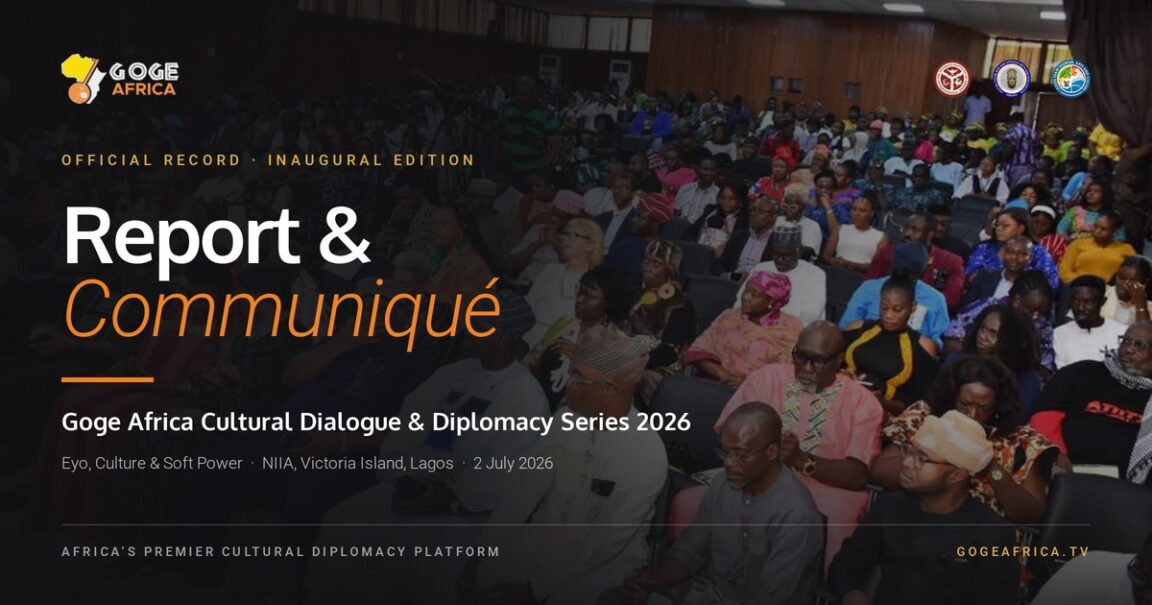
Inaugural Edition — Eyo, Culture & Soft Power: Driving Diplomacy, Integration and Economic Growth.
Goge Africa Cultural Dialogue & Diplomacy Series 2026
Inaugural Edition: Eyo, Culture & Soft Power
Thursday, 2nd July 2026 | Nigerian Institute of International Affairs (NIIA), Victoria Island, Lagos
“Eyo, Culture & Soft Power: Driving Diplomacy, Integration and Economic Growth.”
A high-level platform to reposition African heritage as a living instrument of diplomacy
The inaugural Goge Africa Cultural Dialogue & Diplomacy Series was held on Thursday, 2nd July 2026 at the Nigerian Institute of International Affairs (NIIA), Victoria Island, Lagos. Jointly convened by Goge Africa Worldwide Limited, the Nigerian Institute of International Affairs and the Centre for Black and African Arts and Civilization (CBAAC), with the endorsement of the Lagos State Government, the Series was conceived as a high-level platform to reposition African heritage not only as memory and identity, but as a living instrument of diplomacy, regional integration, economic opportunity and peace.
The Series, themed “Eyo, Culture & Soft Power: Driving Diplomacy, Integration and Economic Growth,” marked a significant progression in Africa’s cultural discourse: from documentation and storytelling to structured policy engagement. It created a hospitable and intellectually rigorous space where culture, foreign policy, tourism, trade, creative enterprise and development could be examined together as mutually reinforcing pillars of national and continental advancement.
The gathering brought together diplomats and representatives of foreign missions, policymakers, cultural custodians, academics, business leaders, media professionals, students and other stakeholders.
Opening remarks by representatives of the Director-General of the NIIA, the Co-Founders of Goge Africa and the Director-General of CBAAC set the tone for two thematic conversations. Across the sessions, participants affirmed that culture is not peripheral to development or diplomacy. Properly recognized and deliberately enabled, it is a strategic resource for shaping national image, strengthening people-to-people relations, supporting economic diversification, building social cohesion and advancing peaceful cooperation among nations.
Participants further recognized the Series as an emerging policy-shaping platform through which ideas, recommendations and partnerships may be translated into practical frameworks for cultural diplomacy, cultural tourism, creative economy development, intellectual property protection and international engagement.
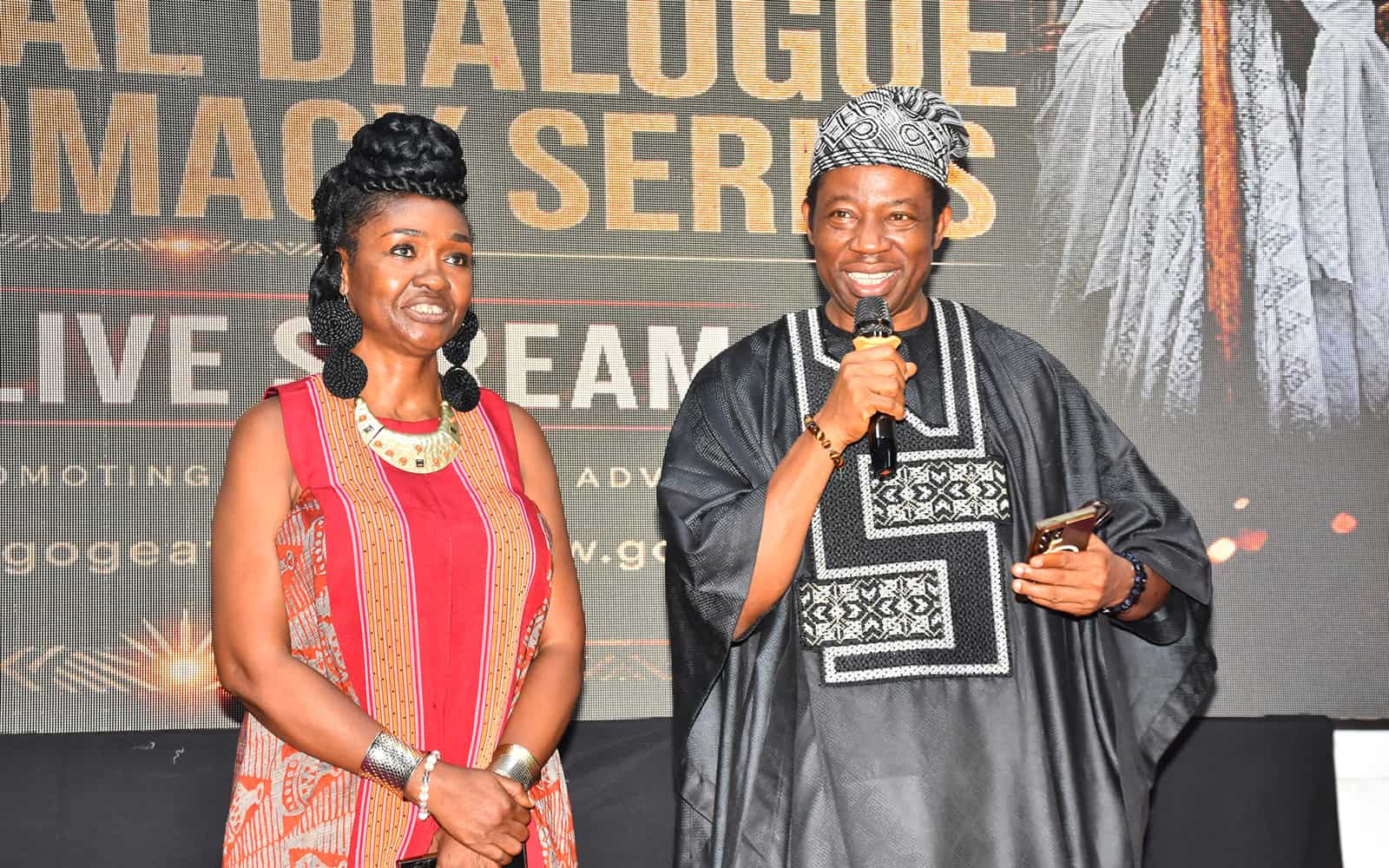 Institutional opening — Nigerian Institute of International Affairs, Lagos
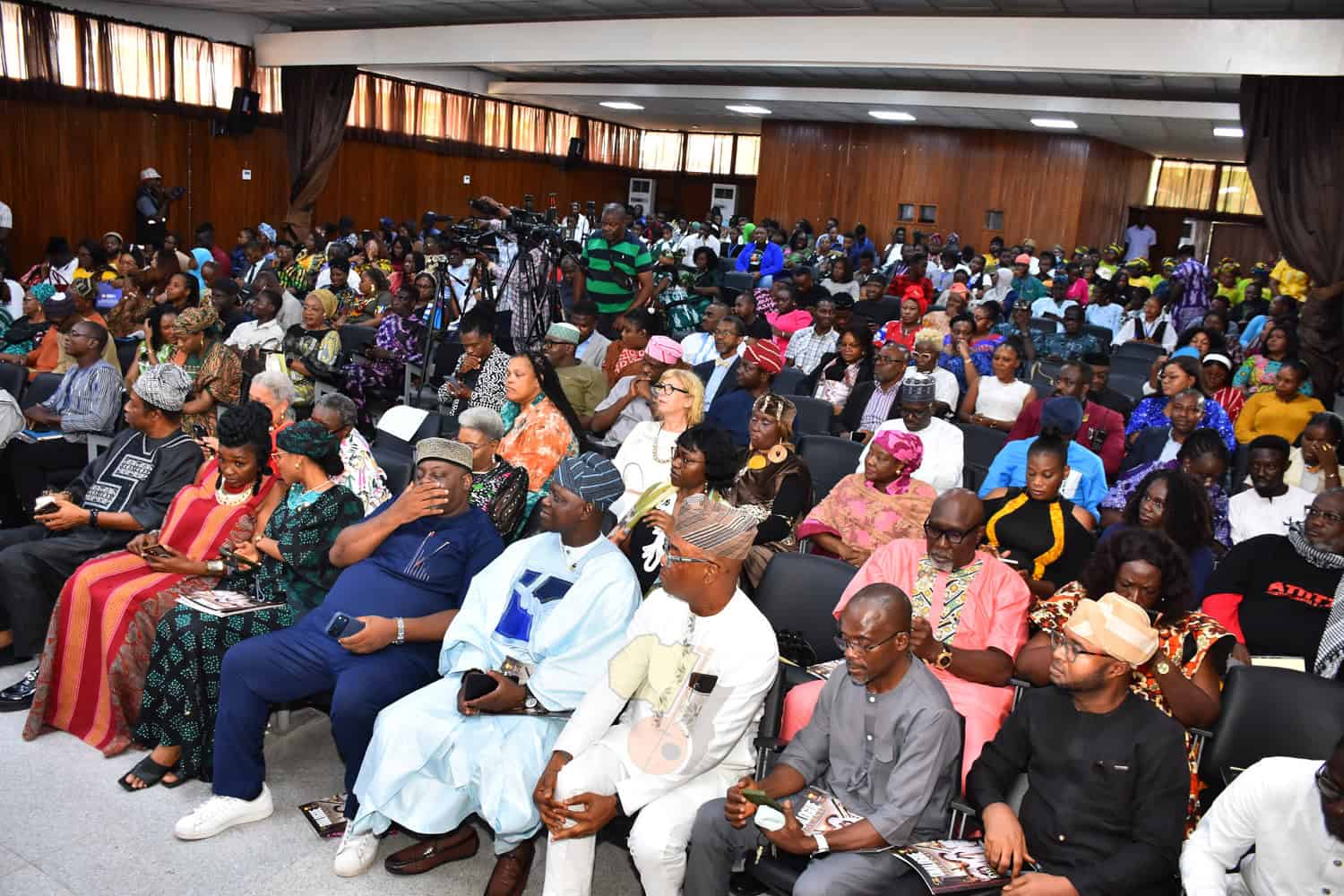 Diplomatic guests and dignitaries in attendance
Nine convergent threads across two thematic conversations
Across the opening conversation, the documentary premiere, the Fireside Conversation, the Diplomatic Dialogue and the Thematic Panel, the following themes emerged with consistency and force.
Culture as Strategic Soft Power
The opening conversation established that culture extends beyond preservation and performance. It is a vital instrument for strengthening Nigeria’s soft power, deepening regional integration, projecting an authentic African image globally and supporting peace among nations and peoples.
From Storytelling to Policy Engagement
A central message of the Dialogue was that cultural documentation, while essential, is no longer sufficient on its own. The next frontier is to bring culture into the rooms where policy is made, trade is negotiated, tourism strategies are designed and global perception is shaped. The Series therefore represents a bridge between Africa’s cultural memory and its policy future.
The Significance of the Eyo Festival
Through the documentary premiere, “Eyo: Culture, Memory & Power,” and a Fireside Conversation with the Goge Africa Co-Founders, the Eyo Festival was presented as a living expression of history, spirituality, civic memory and Lagos identity. Discussions also highlighted its wider ecosystem — artisans, weavers, traders, transport operators, hospitality providers and creative professionals — demonstrating that cultural heritage can sustain livelihoods while deepening pride and belonging.
Diplomacy Through Positive Storytelling
The Diplomatic Dialogue featured representatives of the diplomatic community who shared perspectives on the role of culture in national development and foreign policy. Their contributions reinforced the value of people-to-people relations, cultural exchange, cuisine, fashion, literature, resilience and shared experience as instruments of bilateral understanding and international goodwill.
Culture as Economic Capital
Participants emphasized that cultural capital is also economic capital. Heritage, festivals, creative content, cultural tourism and intellectual property can contribute to export diversification, investment attraction, job creation and national competitiveness when supported by coherent policy, institutional coordination and sustainable financing.
Owning the African Narrative
Speakers underscored the need for Africa to tell its own stories with confidence, dignity and authenticity. The continent must move beyond externally imposed narratives and invest in African storytelling, media, research, heritage documentation and intellectual property frameworks that protect cultural value while expanding opportunity.
Youth Engagement and Cultural Continuity
Participants stressed that cultural knowledge must be transmitted to younger generations through formats that speak to contemporary imagination, including film, literature, comics, digital media, education and experiential learning. Young people were recognized not only as custodians of future heritage but also as emerging cultural diplomats.
The Legacy of FESTAC ’77 and Pan-African Renewal
The discussions recalled the enduring legacy of FESTAC ’77 and its message of Pan-African solidarity, Ubuntu and global cultural dialogue. Participants noted that renewed cultural diplomacy initiatives should build on this legacy, particularly as the 50th anniversary of FESTAC approaches in 2027.
A Platform for Peace
Across all sessions, a clear consensus emerged: culture, when elevated to policy and institutional engagement, can become a powerful architecture for reconciliation, cooperation and peace. The Series was recognized as a platform through which deeper cultural understanding can help address prejudice, strengthen African unity and promote constructive relations among peoples and nations.
The most enduring form of diplomacy is the story well told — and Lagos has a storyteller worthy of it.
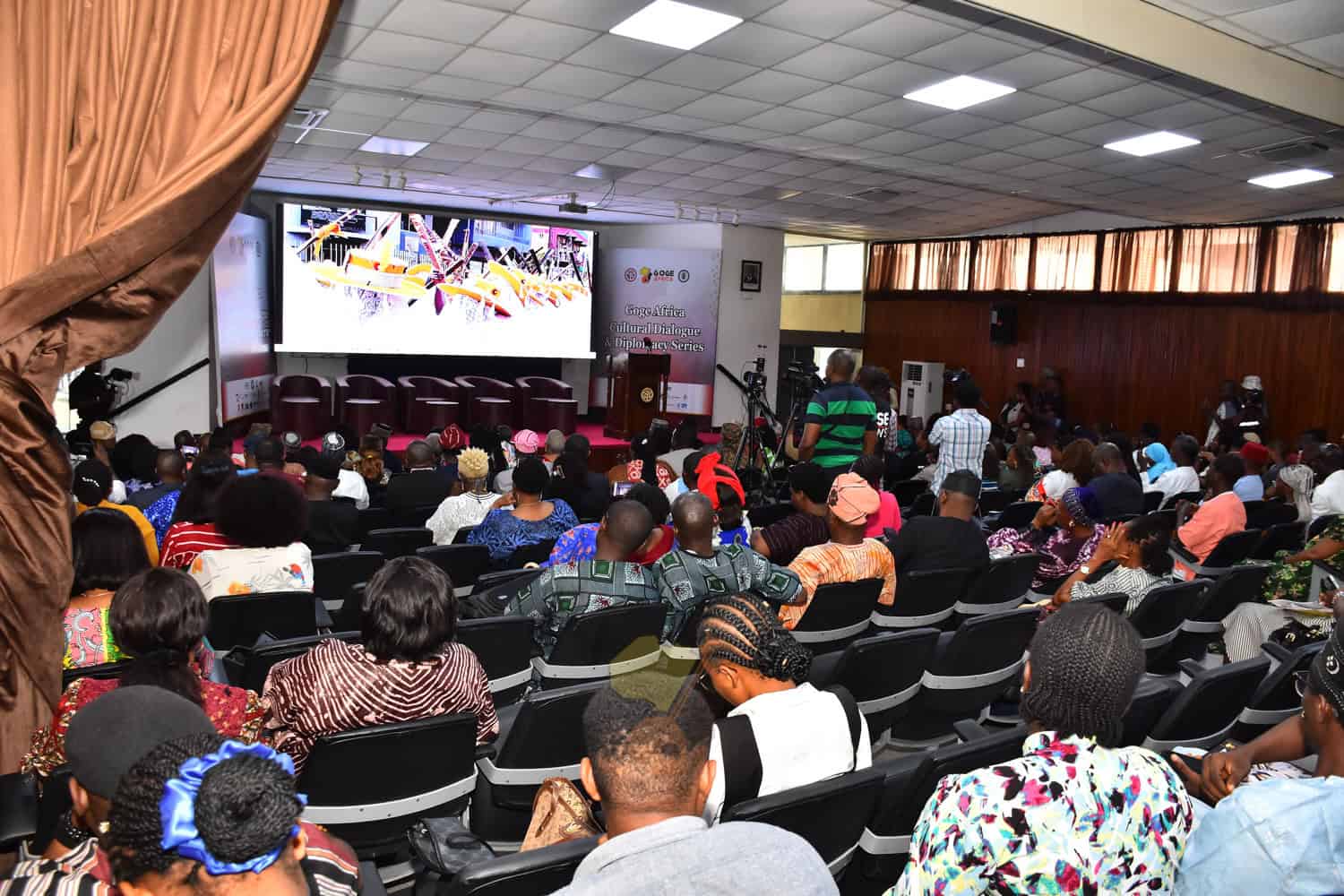 Documentary premiere — “Eyo: Culture, Memory & Power”
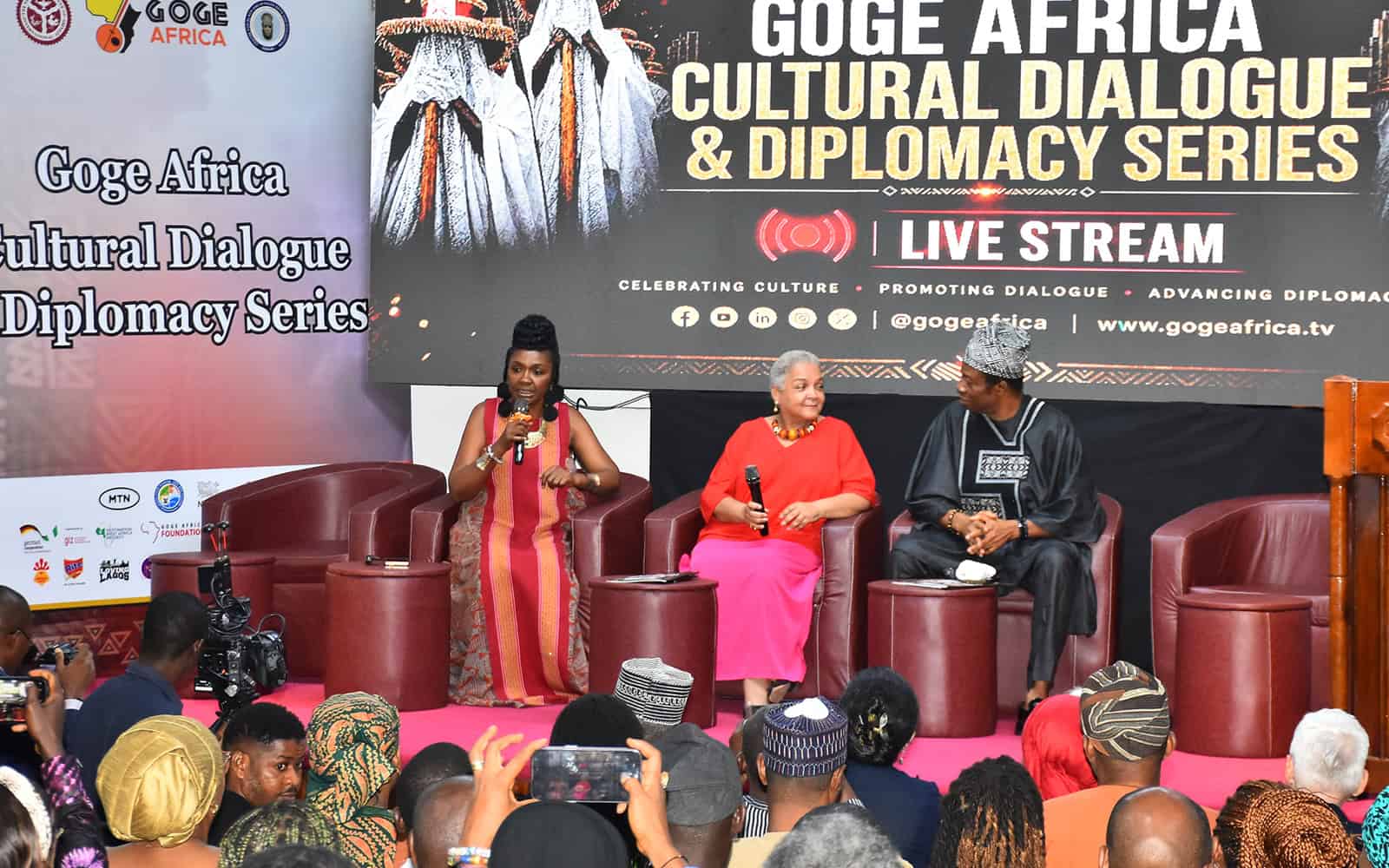 Founders’ Fireside Conversation
Eight positions carried forward from the inaugural edition
Culture should be deliberately integrated into Nigeria’s foreign policy and development frameworks as a strategic instrument of diplomacy, identity, investment, tourism and international cooperation.
The Dialogue Series should be supported as a recurring policy-shaping platform that brings government, diplomatic missions, cultural institutions, academia, the private sector, media and young people into sustained conversation on cultural diplomacy.
Nigeria’s cultural depth, creativity and diversity give the country a natural advantage in soft power; however, this advantage requires clearer policy coordination, investment frameworks and institutional support to achieve its full national and continental value.
Storytelling shapes how nations are perceived. Africa must therefore invest in content, scholarship, media platforms and intellectual property systems that allow its stories to be told with authenticity, dignity and strategic purpose.
Cultural heritage should be treated as both a symbolic and economic asset, capable of supporting sustainable tourism, creative enterprise, job creation, local livelihoods, export diversification and national competitiveness.
Young people must be actively engaged in cultural diplomacy so that heritage is preserved, renewed and projected in ways that resonate across generations and across borders.
Nigeria and Africa can draw lessons from international experiences where culture has been deliberately linked to national branding, tourism, foreign policy and economic development, while shaping models that remain rooted in African values and realities.
Culture offers a practical platform for peace. When diplomats, policymakers, academics, cultural custodians, private sector actors and young people gather under the banner of shared heritage, dialogue becomes warmer, cooperation becomes more human and borders become less rigid.
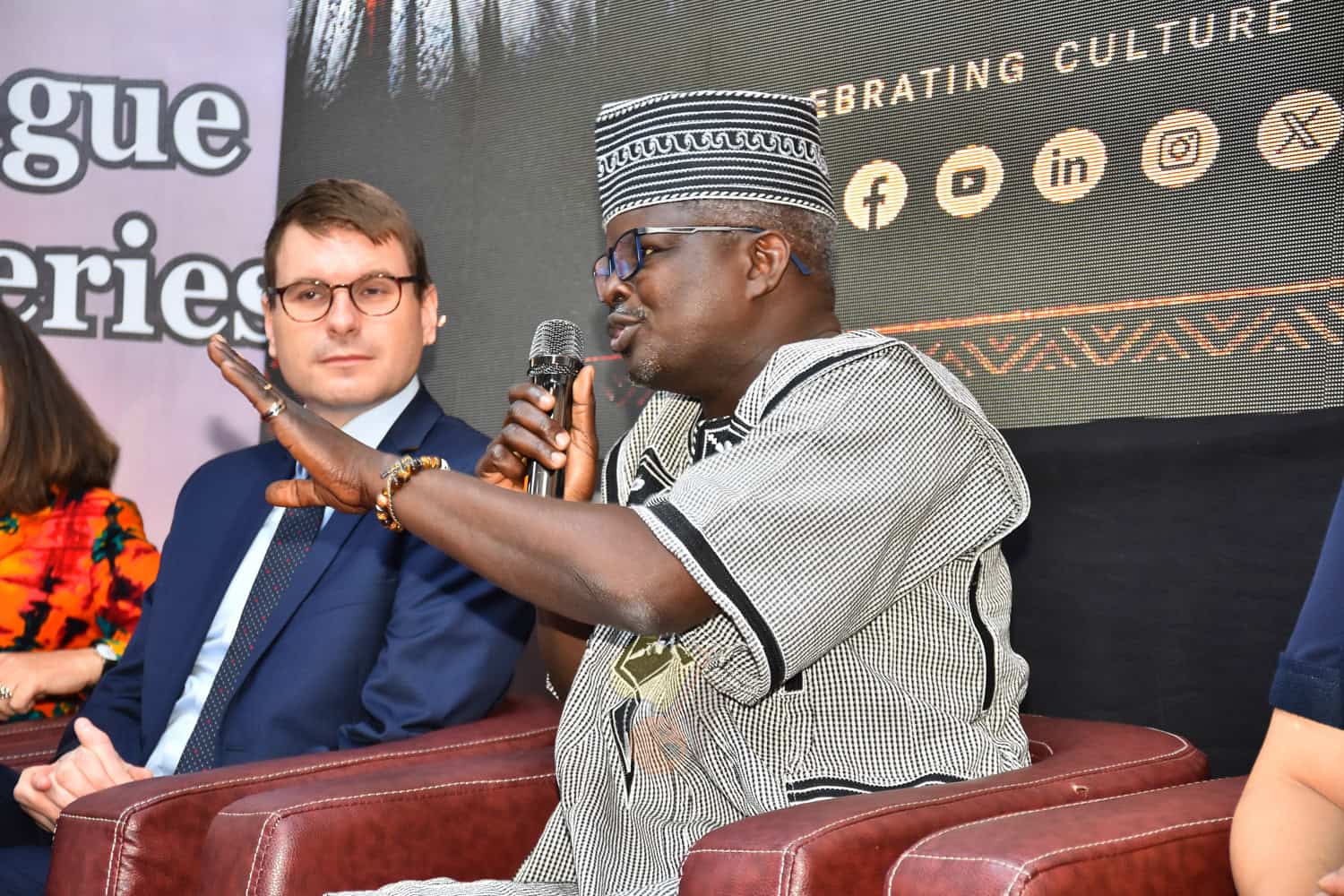
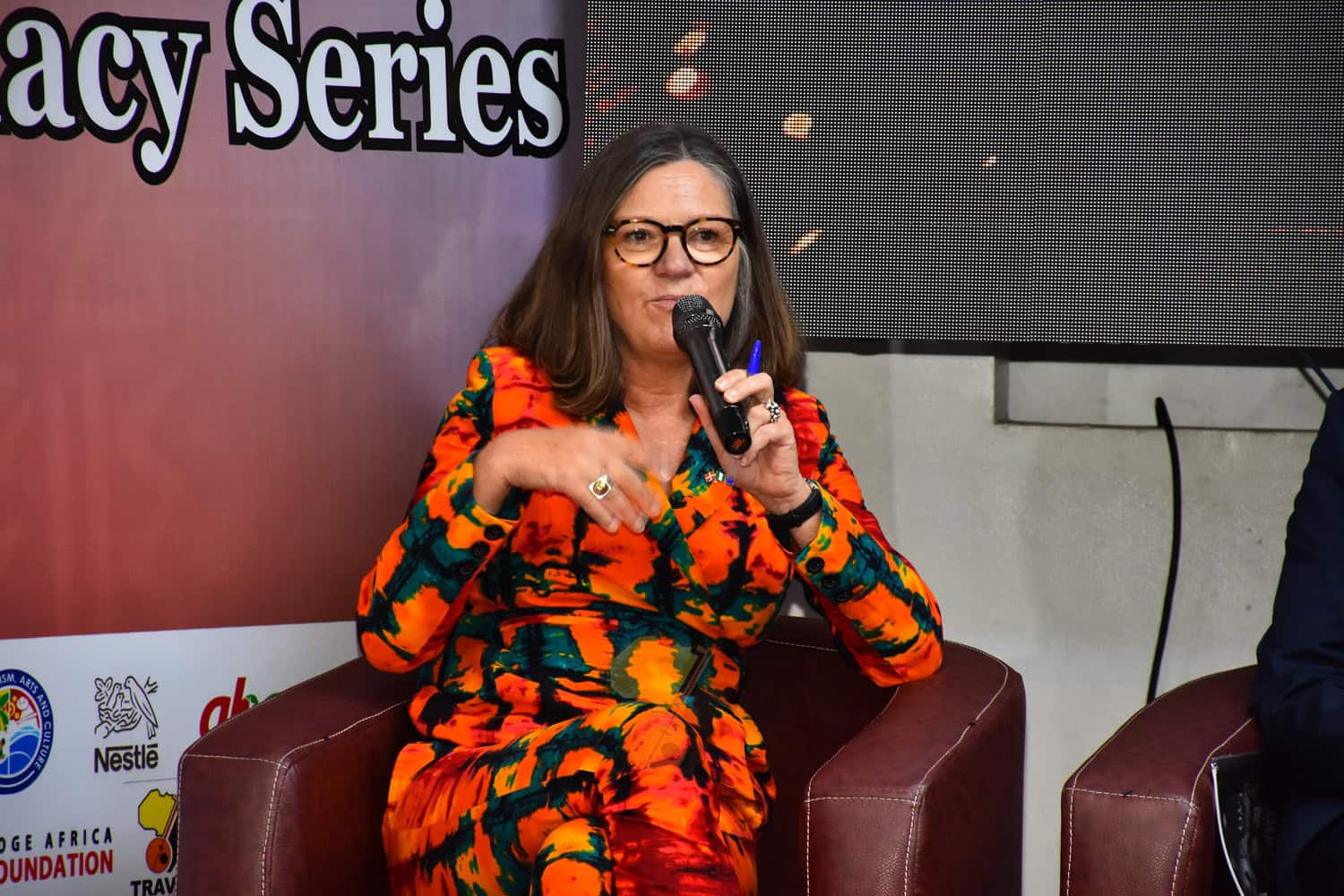 Thematic Panel — Eyo, Culture & Soft Power
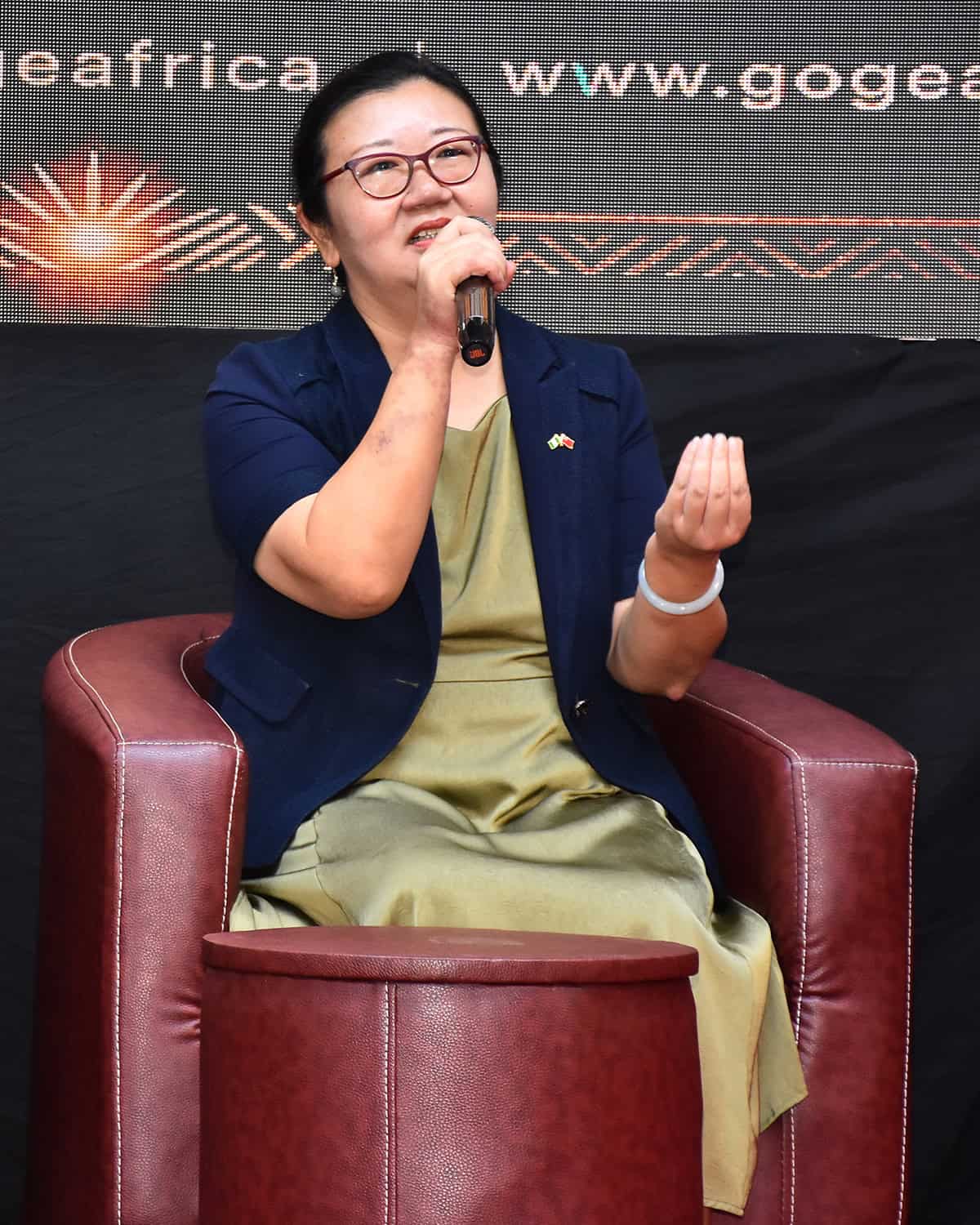 The Diplomatic Dialogue — the flagship session
 Cultural immersion & exhibition
The Dialogue Journal
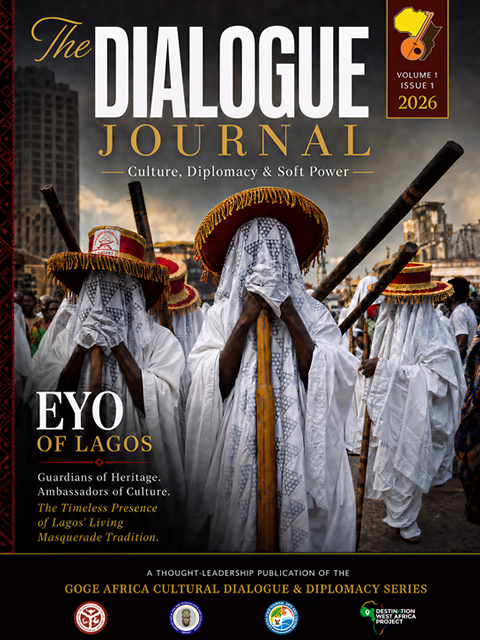
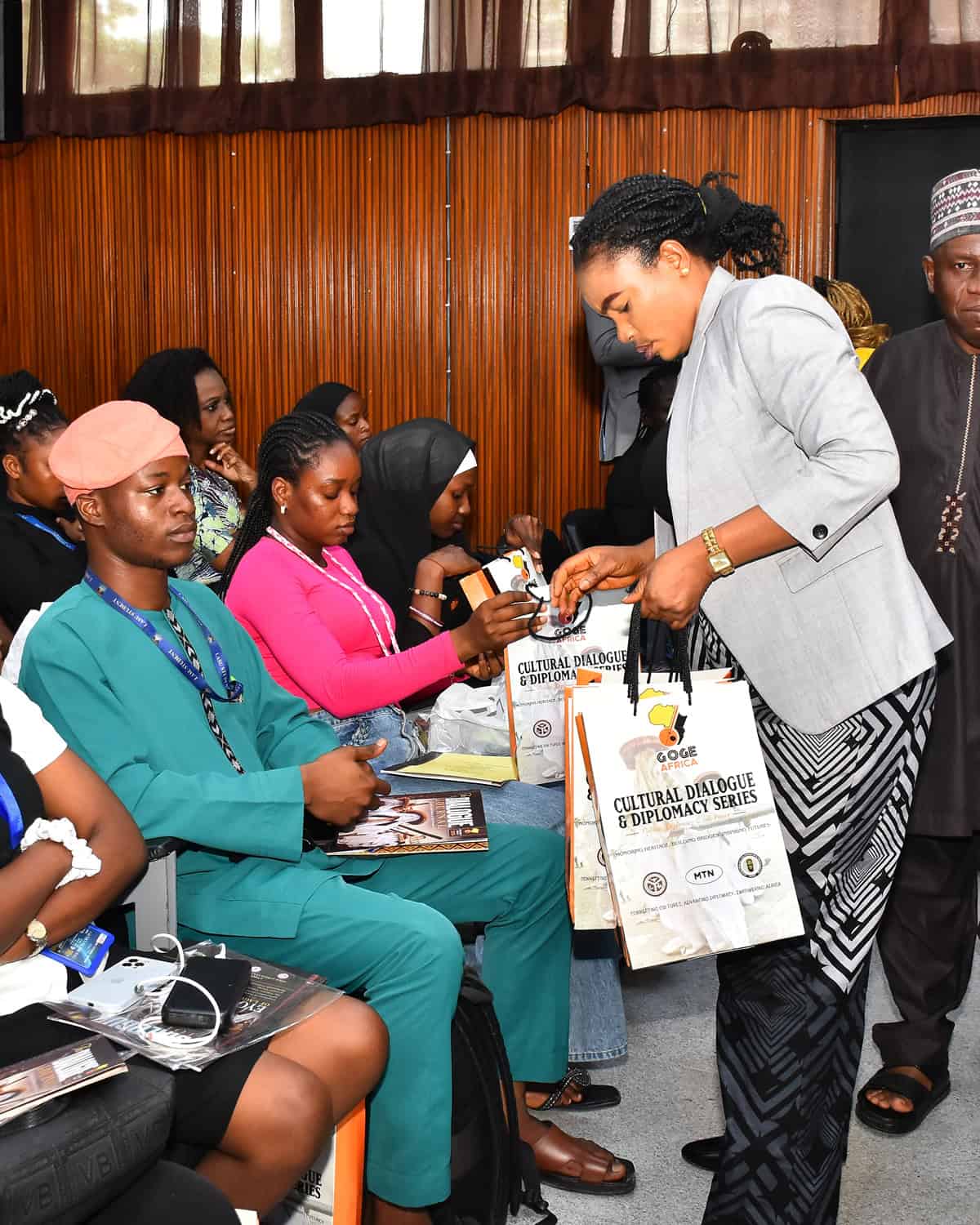
A defining output of the inaugural Series is The Dialogue Journal, a 32-page thought-leadership publication produced by Goge Africa Worldwide Limited as a flagship of the Goge Africa Cultural Dialogue & Diplomacy Series. The Journal, themed “Culture, Diplomacy & Soft Power,” was distributed to delegates, diplomatic missions, government institutions and media representatives present at the event.
The Journal features forewords from Goge Africa, the Nigerian Institute of International Affairs and CBAAC, alongside original contributions from distinguished voices across culture, diplomacy, heritage, the creative economy and the diaspora. Together, these contributions reinforce a central proposition: culture is not merely a reflection of who we are; it is a strategic national resource capable of shaping perceptions, strengthening diplomatic relations, driving tourism and investment, protecting intellectual property, empowering communities and diversifying Nigeria’s economy.
The Dialogue Journal is envisioned as a continuing publication, with a new edition accompanying each subsequent Dialogue Series and contributing to a permanent body of African thought leadership on cultural diplomacy.
White Lagos — Official Dignitary Gift
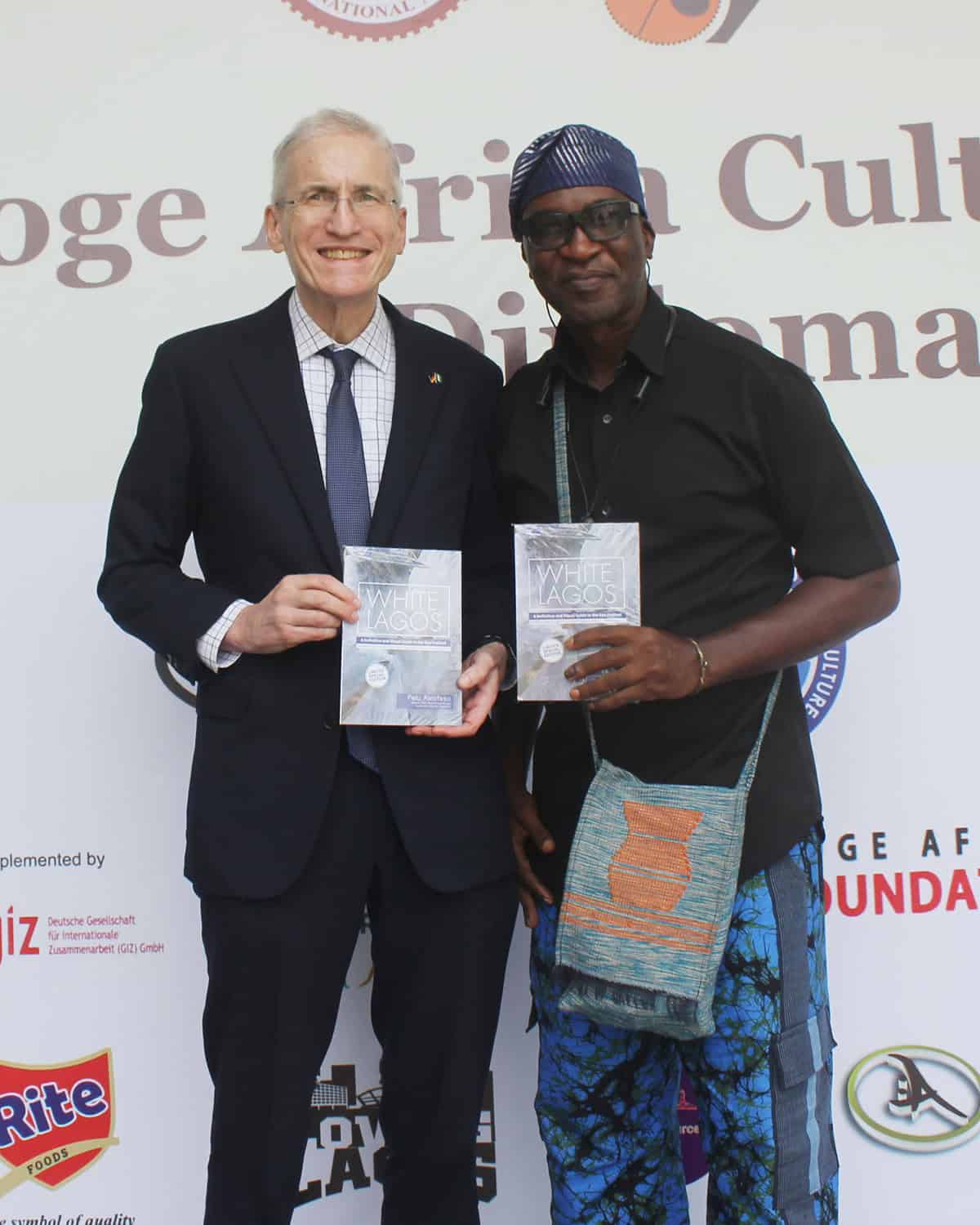
In a gesture that honored Lagos’ literary and cultural heritage, a special edition of White Lagos, the acclaimed work by journalist, author and cultural commentator Pelu Awofeso, was produced as the official dignitary gift of the inaugural Series. The production and printing of the special edition were fully funded by Goge Africa Worldwide Limited.
The special edition was presented to diplomats, panelists, cultural custodians, academics and selected dignitaries, accompanied by a note from Amb. Isaac Onyemaechi Moses, CEO and Co-Founder of Goge Africa. The gesture reflected the conviction at the heart of the Series: that African stories, told with honesty, affection and intellectual care, are among the continent’s most powerful instruments of identity and diplomacy.
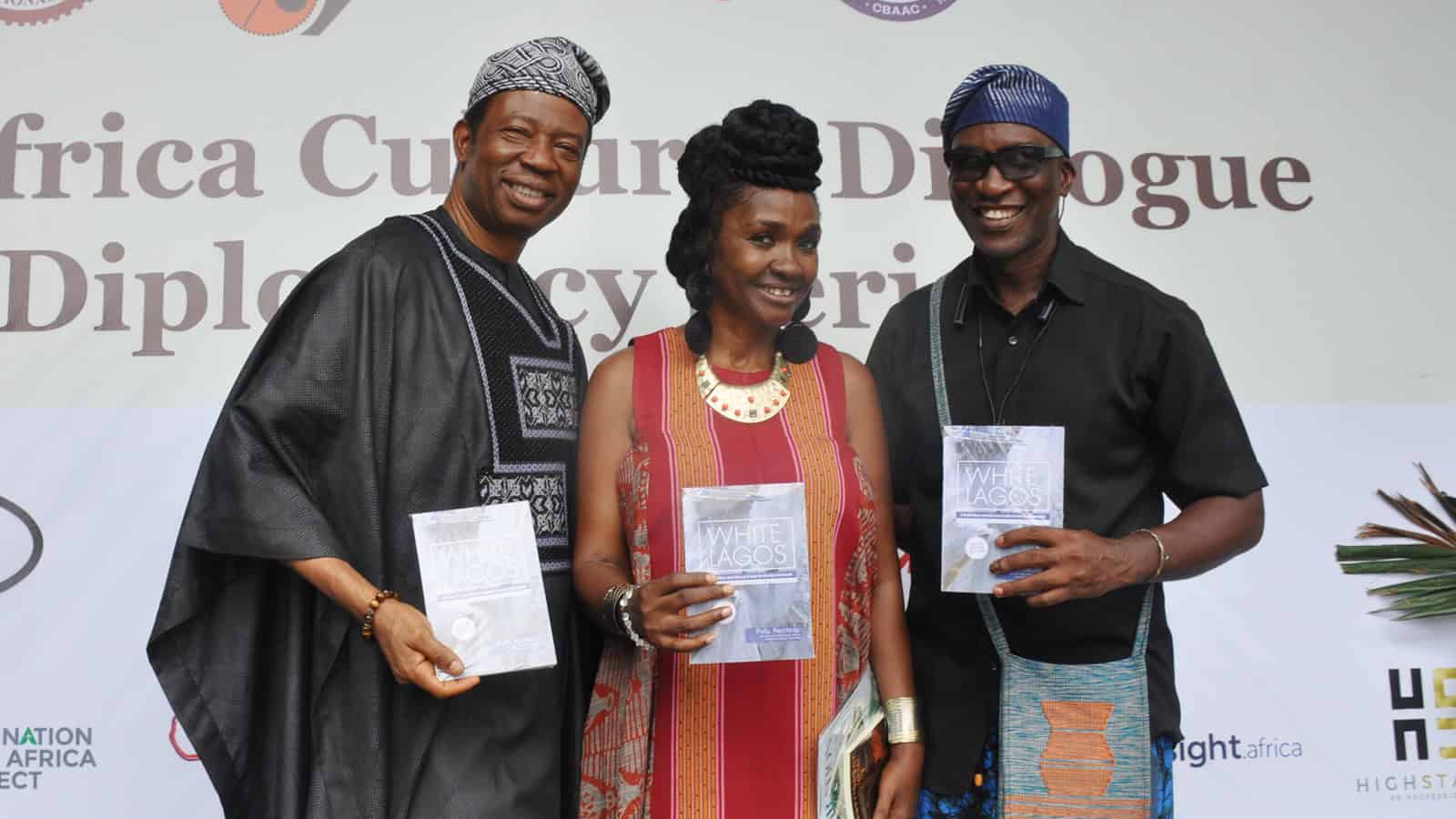 White Lagos — special edition, funded and produced by Goge Africa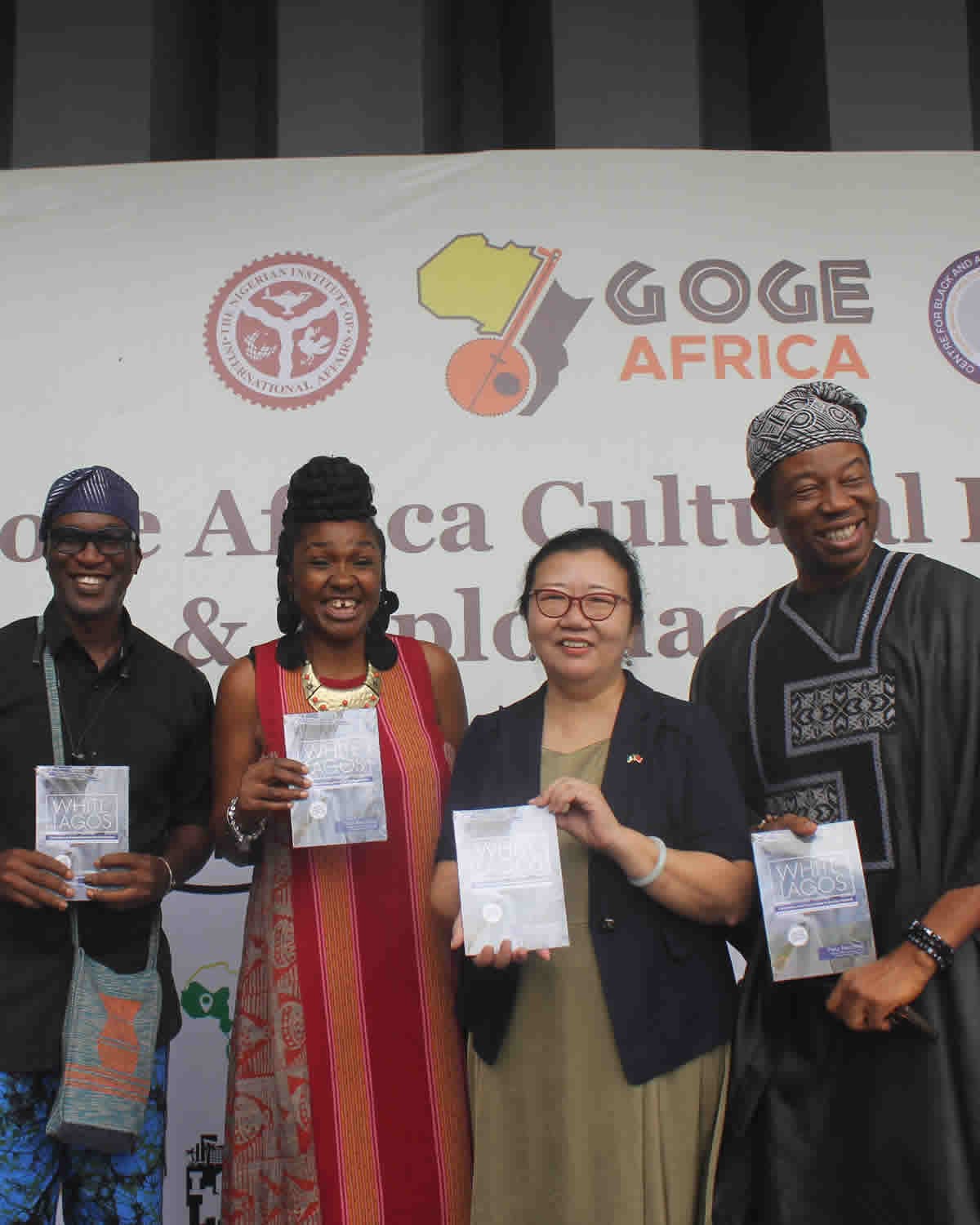
From dialogue to implementation
Building on the outcomes and momentum of the inaugural edition, the following next steps are recommended for implementation by Goge Africa, its institutional partners, relevant government stakeholders, the diplomatic community and private sector actors.
For Goge Africa Worldwide Limited
- Formally present the outcomes of the inaugural Series and this Report & Communiqué to the Nigerian Ministry of Foreign Affairs, the Federal Ministry of Art, Culture, Tourism and the Creative Economy and the African Union Commission.
- Commence development of the second edition of the Goge Africa Cultural Dialogue & Diplomacy Series, proposed around the theme “One Africa, One Culture: People, Heritage and the Future of Pan-African Unity.”
- Produce and broadcast the full event documentary across Goge Africa’s broadcast and digital platforms, ensuring wider access for audiences in Nigeria, across Africa and within the diaspora.
- Promote The Dialogue Journal as a resource for policymakers, diplomatic missions, cultural institutions, academia, the private sector and young people.
For Government and Policy Stakeholders
- Consider the formal integration of cultural diplomacy into Nigeria’s foreign policy and development frameworks as a named, funded and monitored instrument of national influence and cooperation.
- Explore the establishment of a national Cultural Heritage Protection and Projection Fund to support festivals, living heritage practitioners, cultural research, creative enterprises and cultural export initiatives.
- Engage the African Union and relevant regional bodies towards a Continental Cultural Diplomacy Framework, with the forthcoming 50th anniversary of FESTAC in 2027 positioned as a Pan-African platform for cultural renewal and peace.
- Support the Goge Africa Cultural Dialogue & Diplomacy Series as a recurring platform within Nigeria and Africa’s broader cultural diplomacy architecture.
For the Diplomatic Community
- Deepen bilateral and multilateral cultural exchange programs between Nigeria and mission countries represented at the Series.
- Include cultural diplomacy conversations within annual bilateral engagement calendars, where appropriate, as part of broader people-to-people relations.
- Support the Series as a hospitable and credible platform for diplomatic engagement on culture, heritage, soft power and mutual understanding.
- Encourage home-country cultural agencies, academic institutions and creative sector organizations to contribute to future editions of The Dialogue Journal and the Series programme.
For the Private Sector
- Invest in cultural diplomacy initiatives as part of corporate sustainability, reputation management, shared value creation and Pan-African brand positioning.
- Support the production and distribution of African cultural content, including documentaries, publications, exhibitions and digital storytelling, as cultural and commercial assets.
- Partner with Goge Africa and institutional stakeholders on future editions of the Series, particularly initiatives that advance Pan-African unity, youth engagement and peace-building through culture.
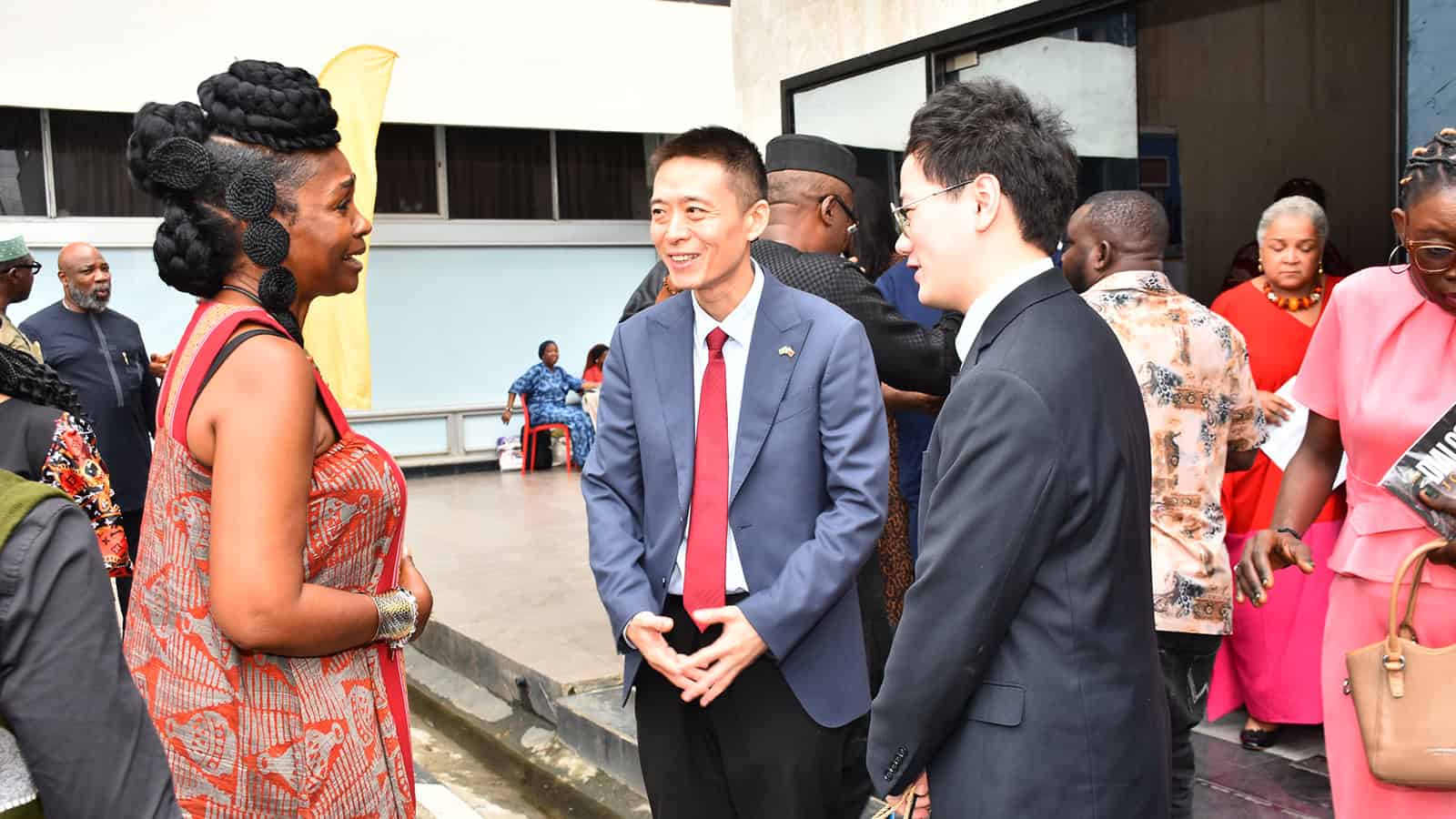 Networking and relationship building
Culture is a nation’s most powerful, yet quiet, form of diplomacy. Long before tourism campaigns or trade agreements, culture shapes how a country is perceived.
The inaugural Goge Africa Cultural Dialogue & Diplomacy Series demonstrated the growing recognition that culture is not merely an expression of identity, but a strategic resource capable of strengthening diplomacy, fostering mutual understanding, supporting economic development and advancing peaceful cooperation among nations.
Participants welcomed the establishment of the Series as a recurring platform for dialogue among governments, diplomatic missions, multilateral institutions, cultural practitioners, academia, the private sector, media and young people. They encouraged sustained collaboration to ensure that culture occupies its rightful place within policy, development and international engagement frameworks across Africa and beyond.
The conveners reaffirm their commitment to advancing this dialogue and to working with partners at national, regional and international levels to promote culture as a force for diplomacy, integration, prosperity and peace. In the spirit of African hospitality, the Series extends an open invitation to all partners who recognize that the path to stronger nations and a more peaceful world may begin with a shared story, a shared table and a shared respect for one another’s heritage.
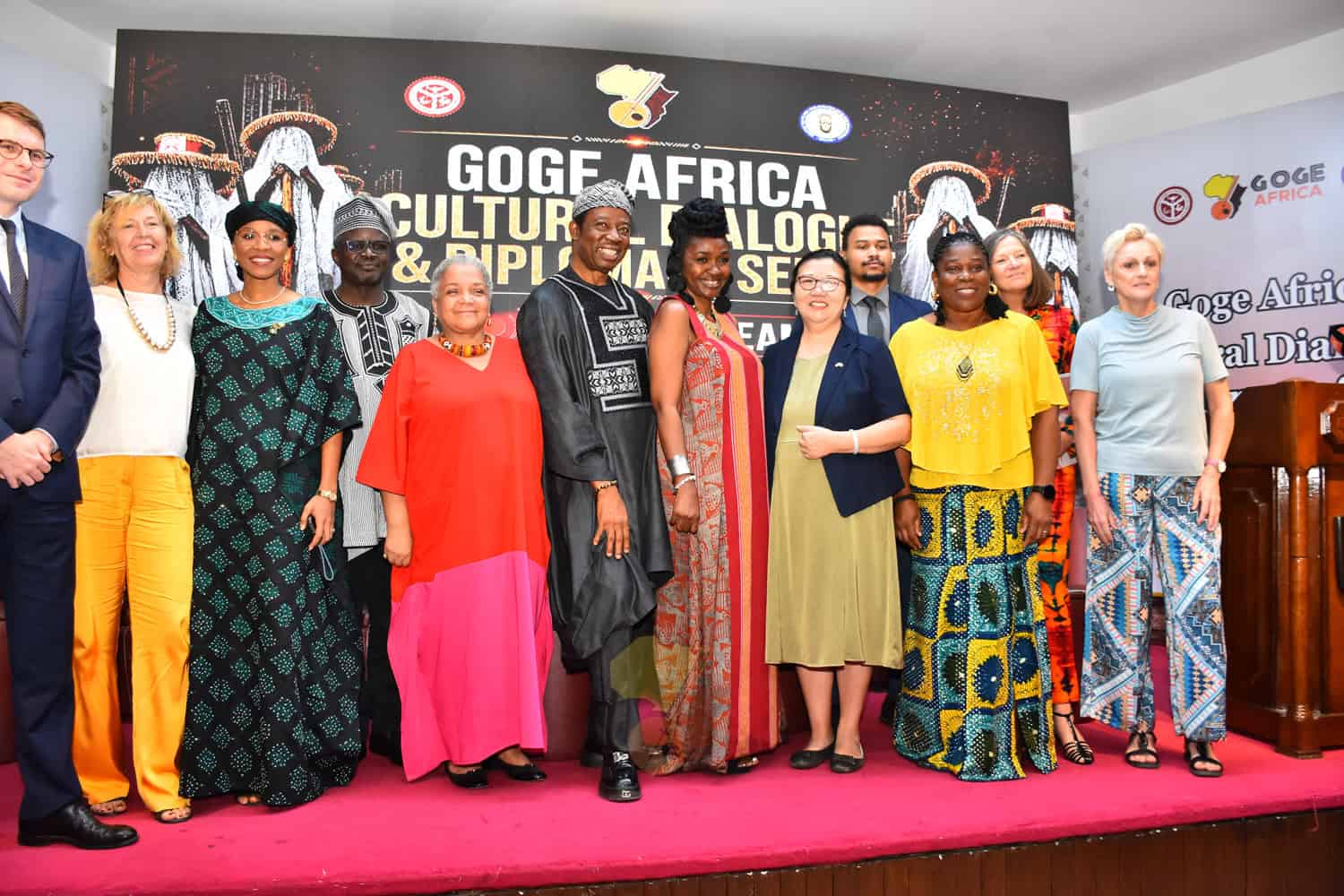 Group photograph & closing — 2 July 2026, NIIA, Victoria Island, Lagos
Conveners, Goge Africa Cultural Dialogue & Diplomacy Series
Goge Africa Cultural Dialogue & Diplomacy Series
Africa’s Premier Cultural Diplomacy Platform · A Platform for Peace

The dialogue continues.
Download the full Report & Communiqué, revisit the inaugural edition, or explore the complete photographic record of 2 July 2026.