 Martin Eze
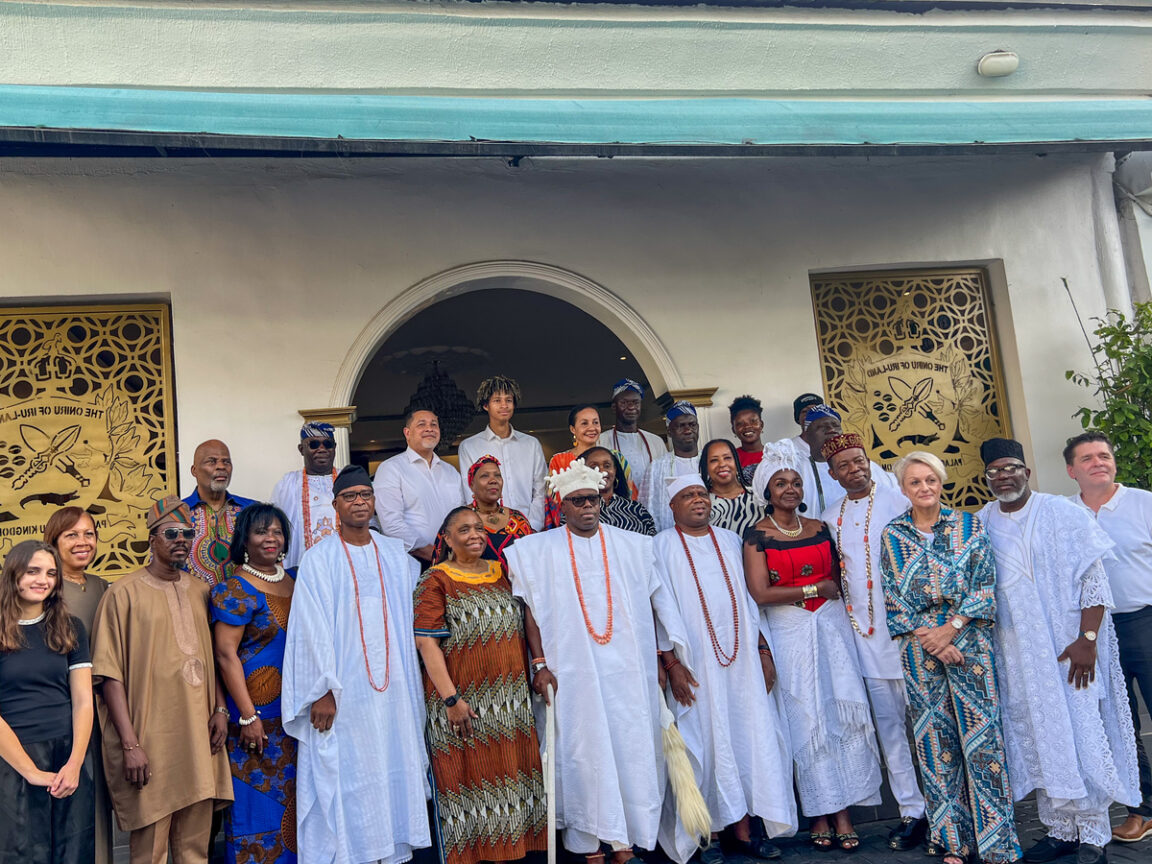
Within the revered palatial court of the Oniru of Iru Land, history quietly came alive as nine Black American tourists stood at the threshold of a long-awaited homecoming.
Travelling from the Americas to Lagos, Nigeria, they were not merely visitors—they were returnees. Their journey became deeply emotional as they reconnected with their origins through names rich in symbolism, identity, and ancestral memory.
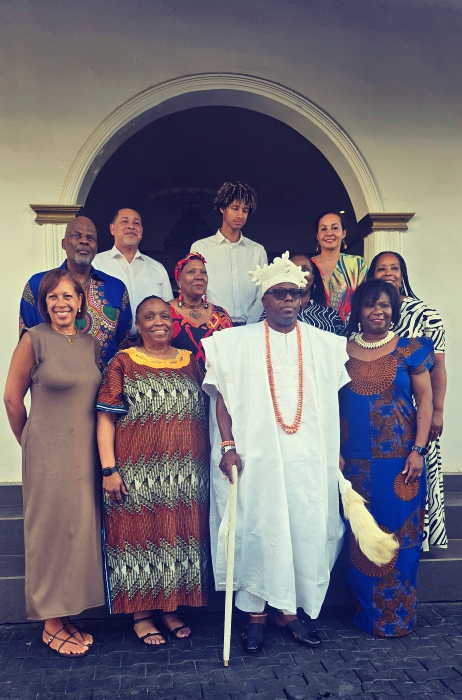
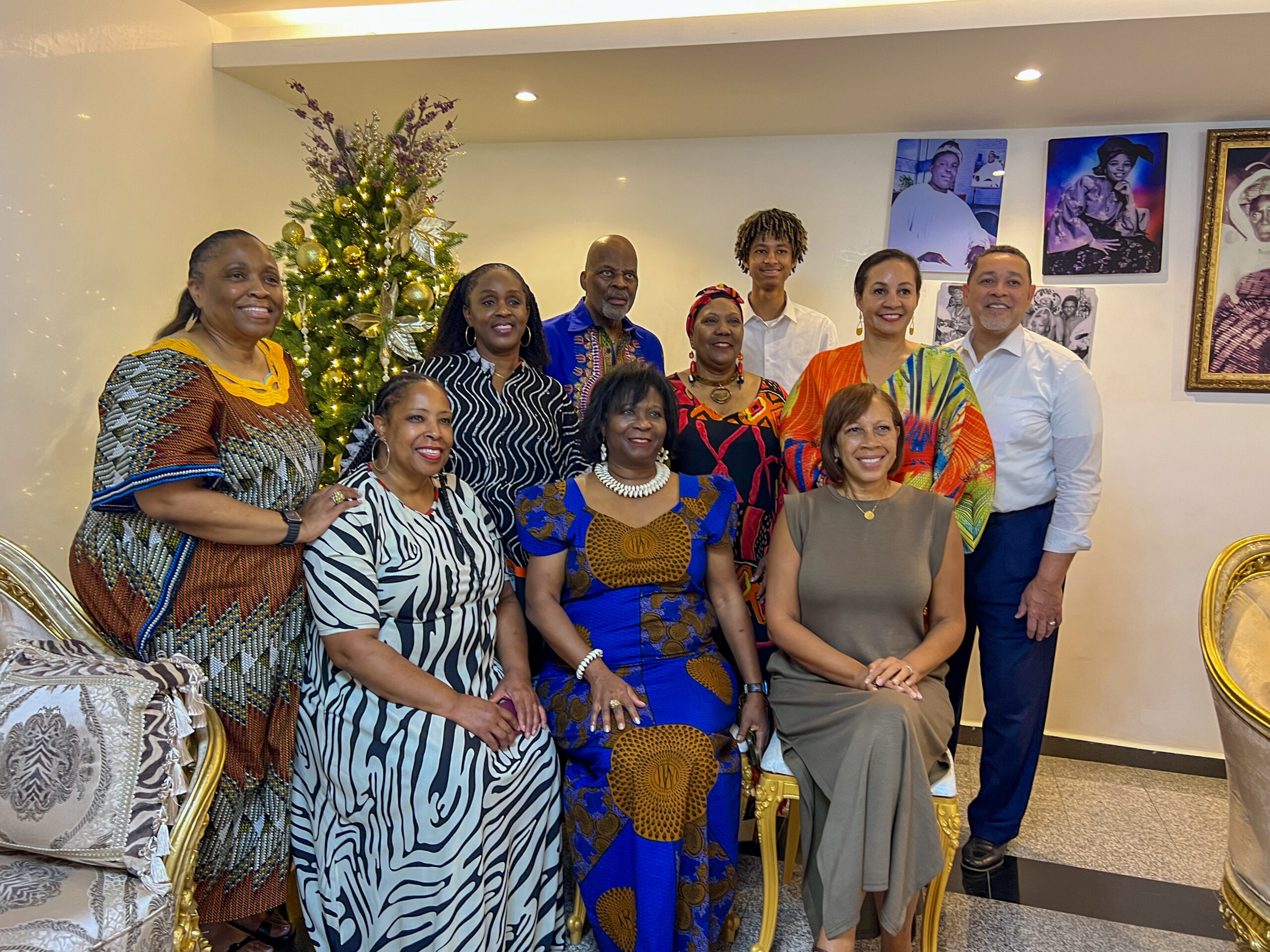
Curated by the renowned cultural platform, Goge Africa, the heritage experience rose far beyond a conventional tourist visit. It unfolded as a sacred rite of passage—a ceremonial sealing of a bond broken more than a century ago.
What once began as a forced journey across the Atlantic, fracturing families and identities, found a moment of healing in this powerful act of reconnection.
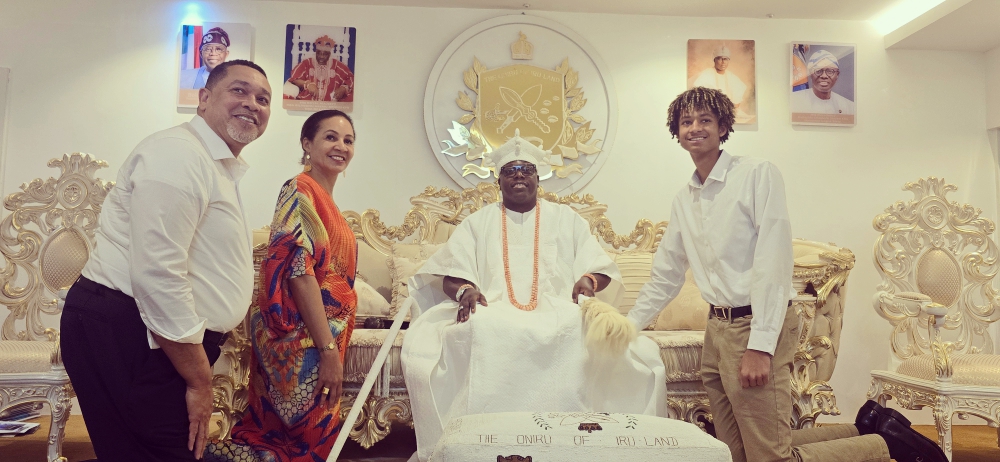
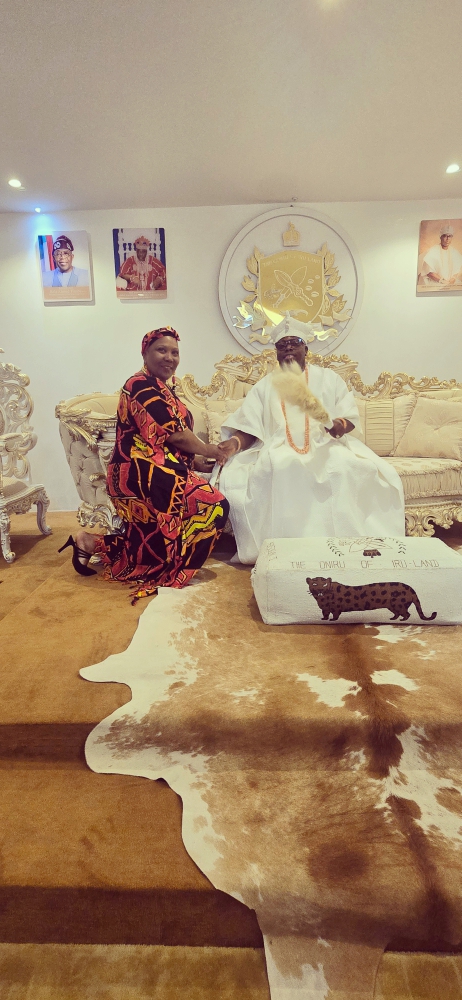
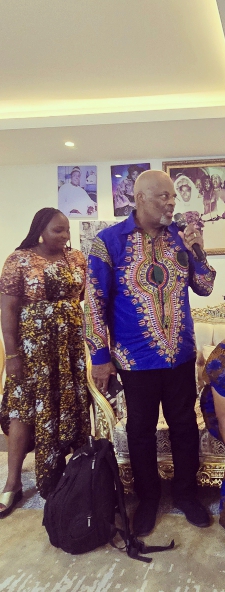
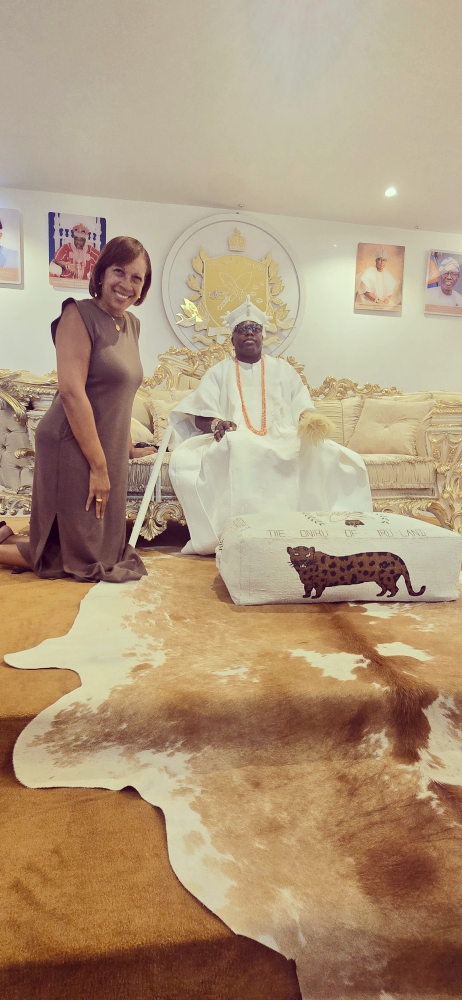
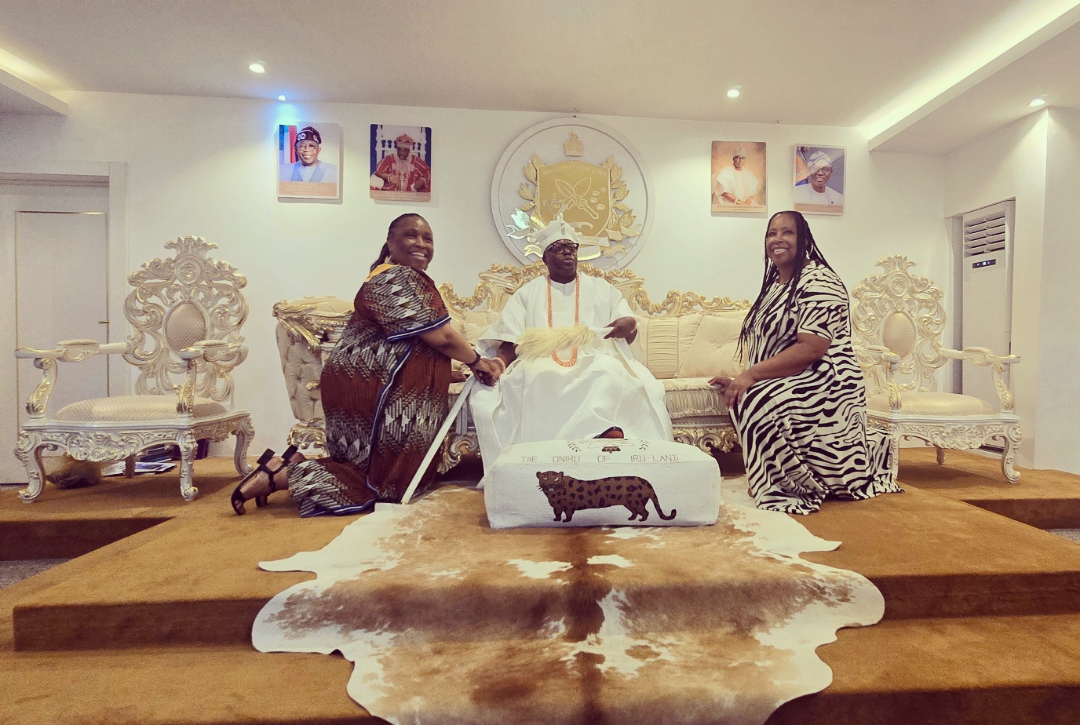
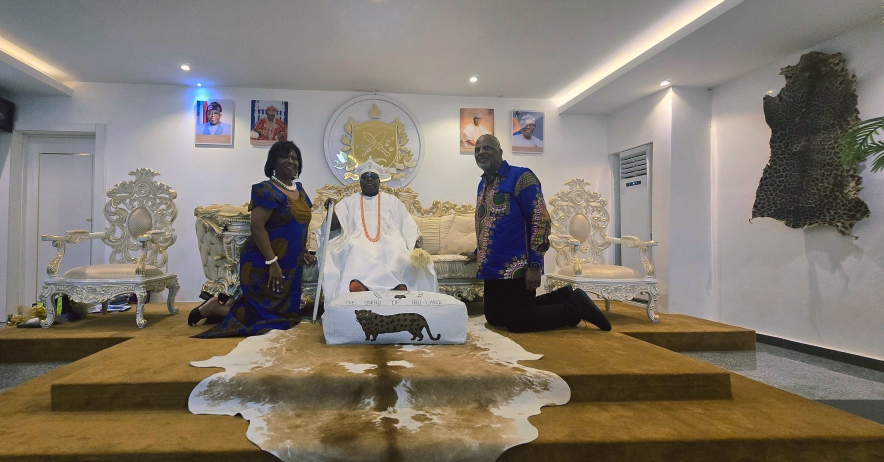
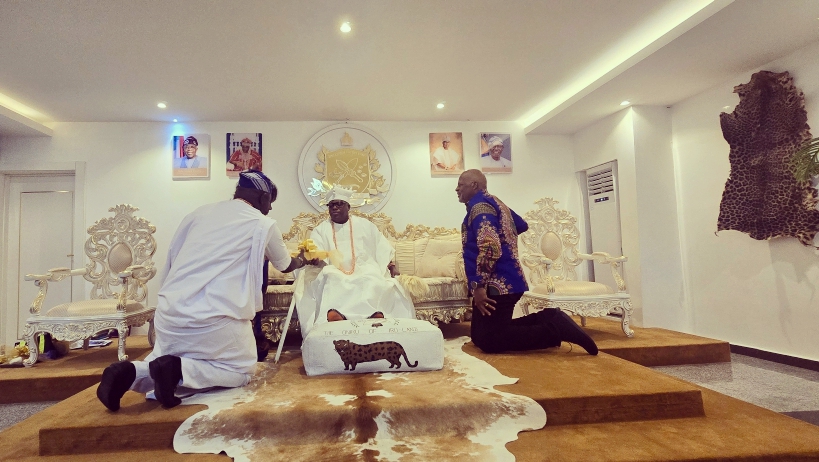
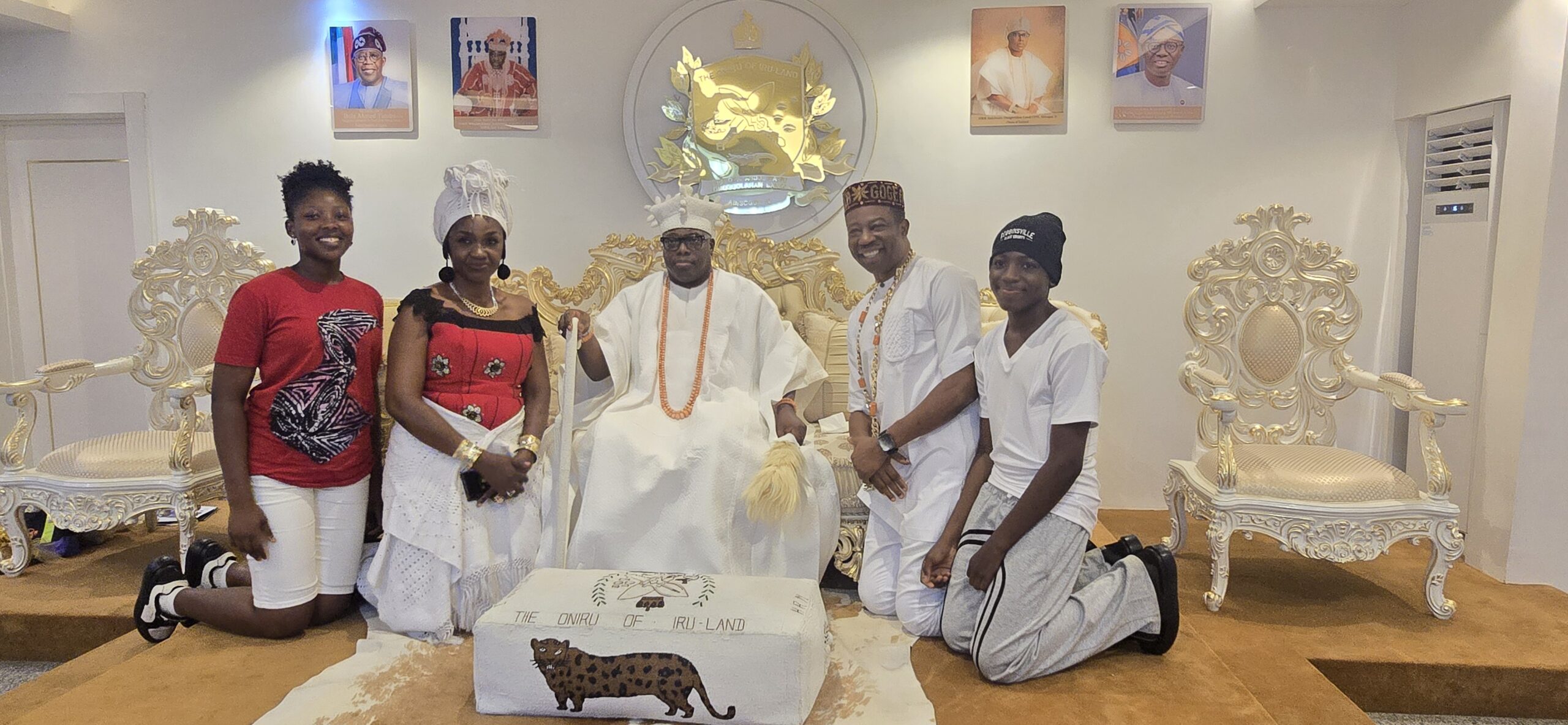
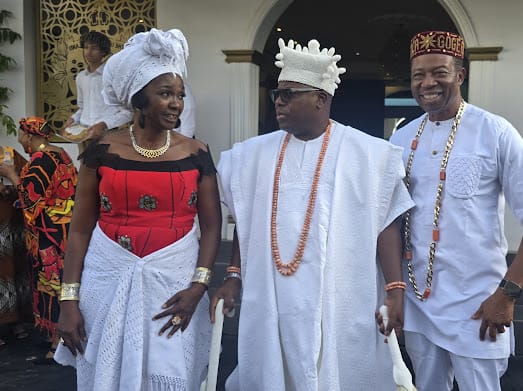
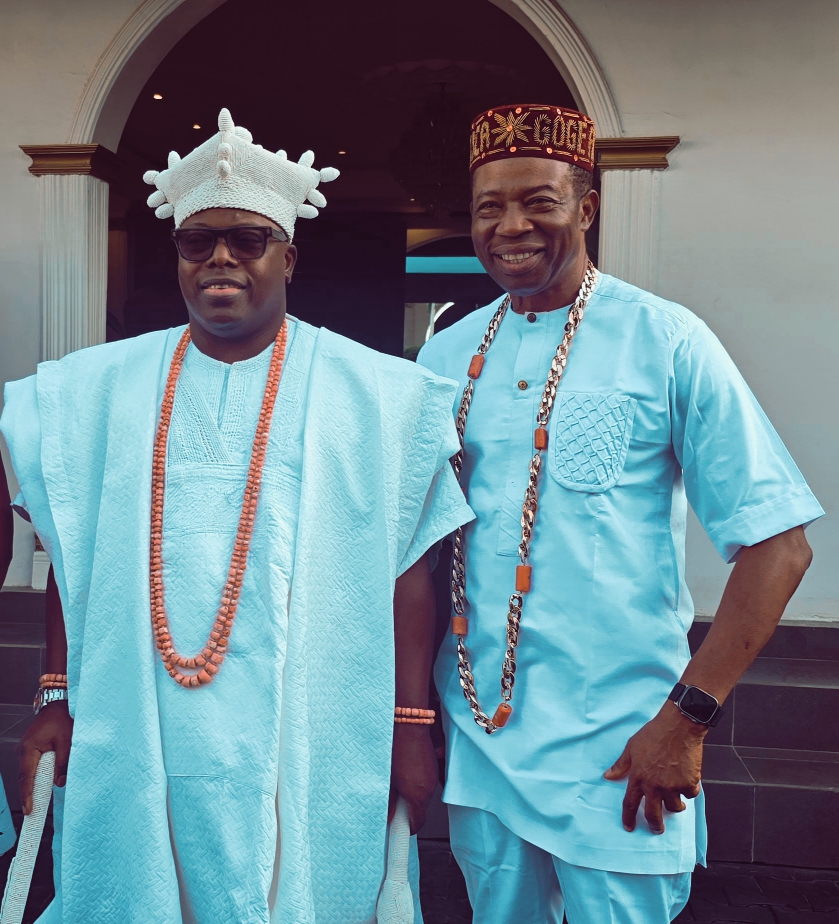
Led by Goge Africa founders, Ambassadors Isaac Moses and Nneka Isaac-Moses, the delegation was formally received by His Royal Majesty, Oba Abdulwasiu Omogbolahan Lawal (Abisogun II), the Oniru of Iru Kingdom.
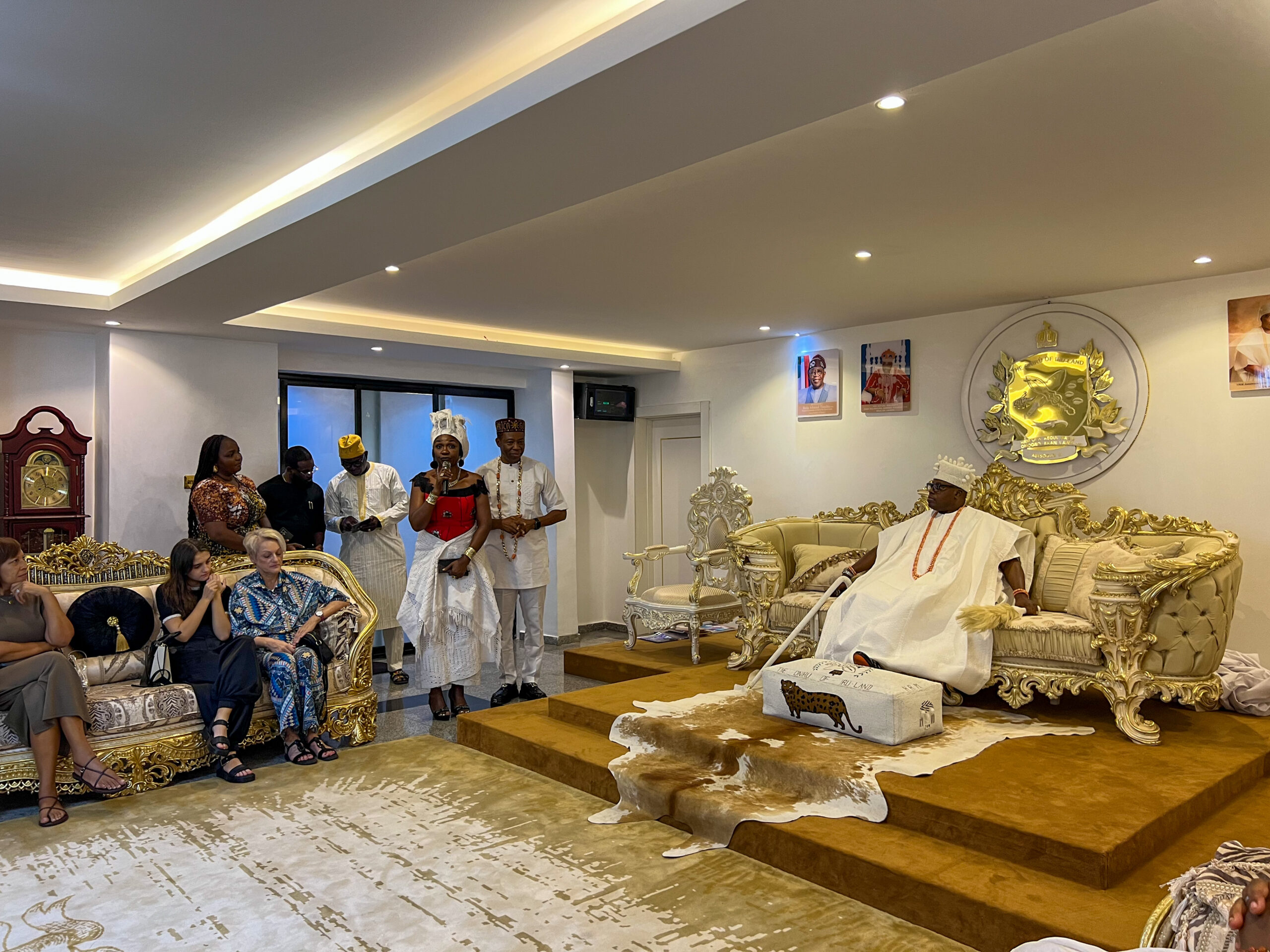
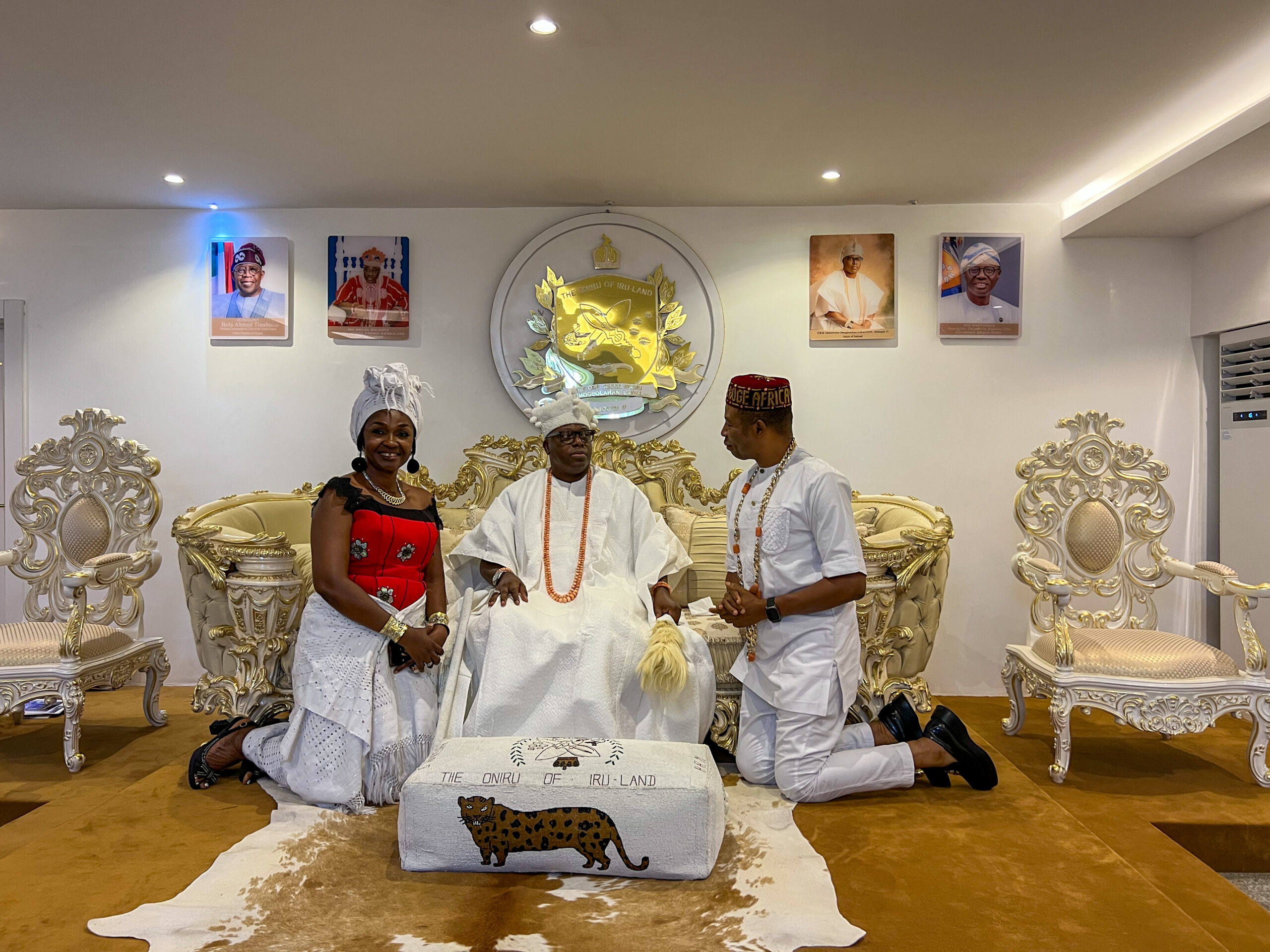
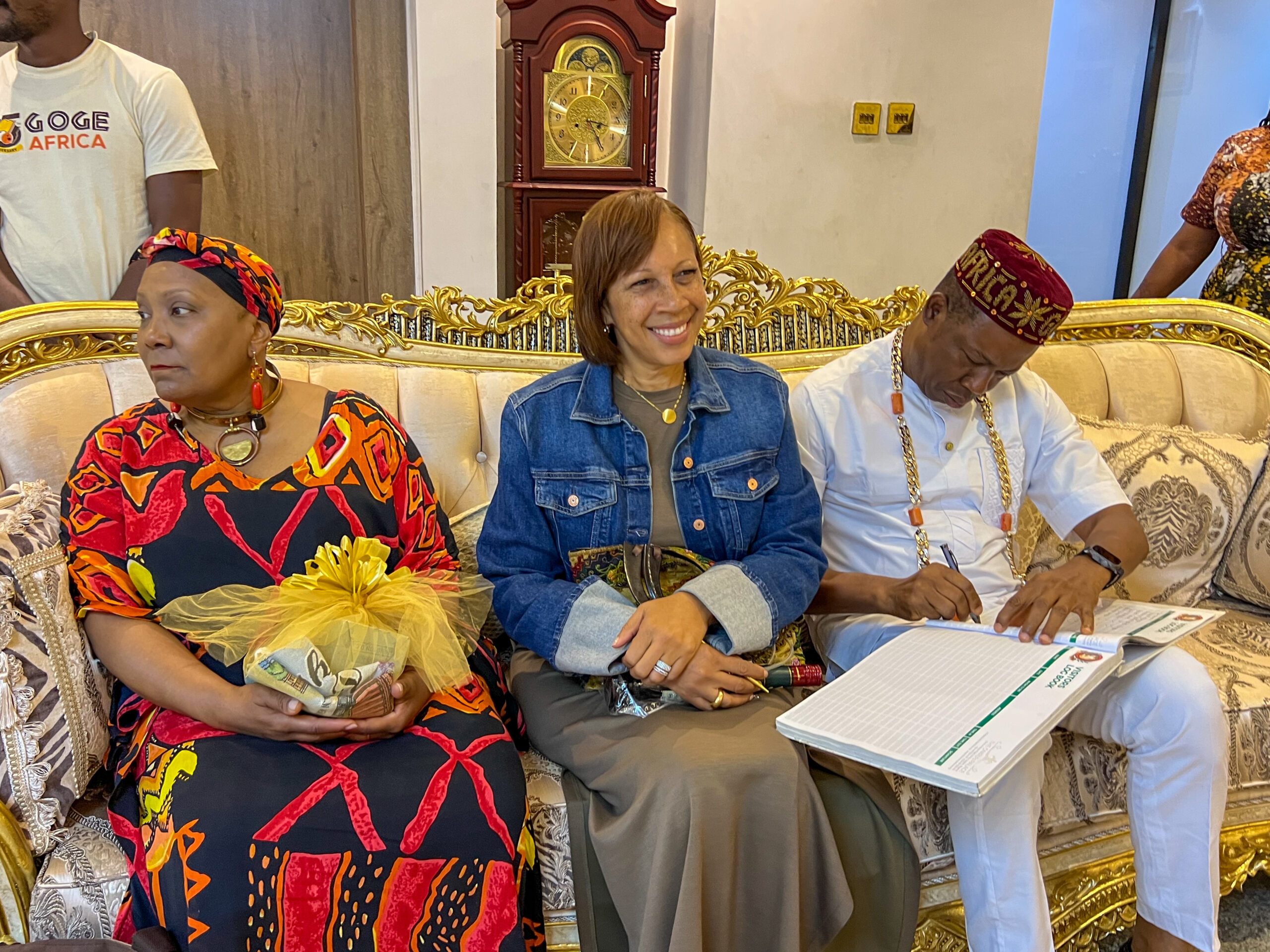
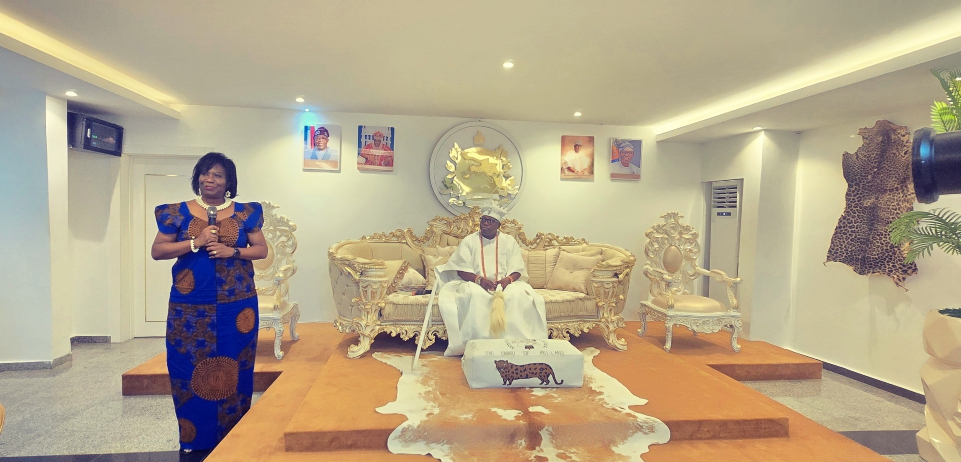
Following introductions, the palace transformed into a living classroom—alive with compelling narratives of Lagos State, the history of Iru Kingdom, and cultural practices spanning generations. The guests were drawn into an engaging historical journey, one that connected the past to the present.
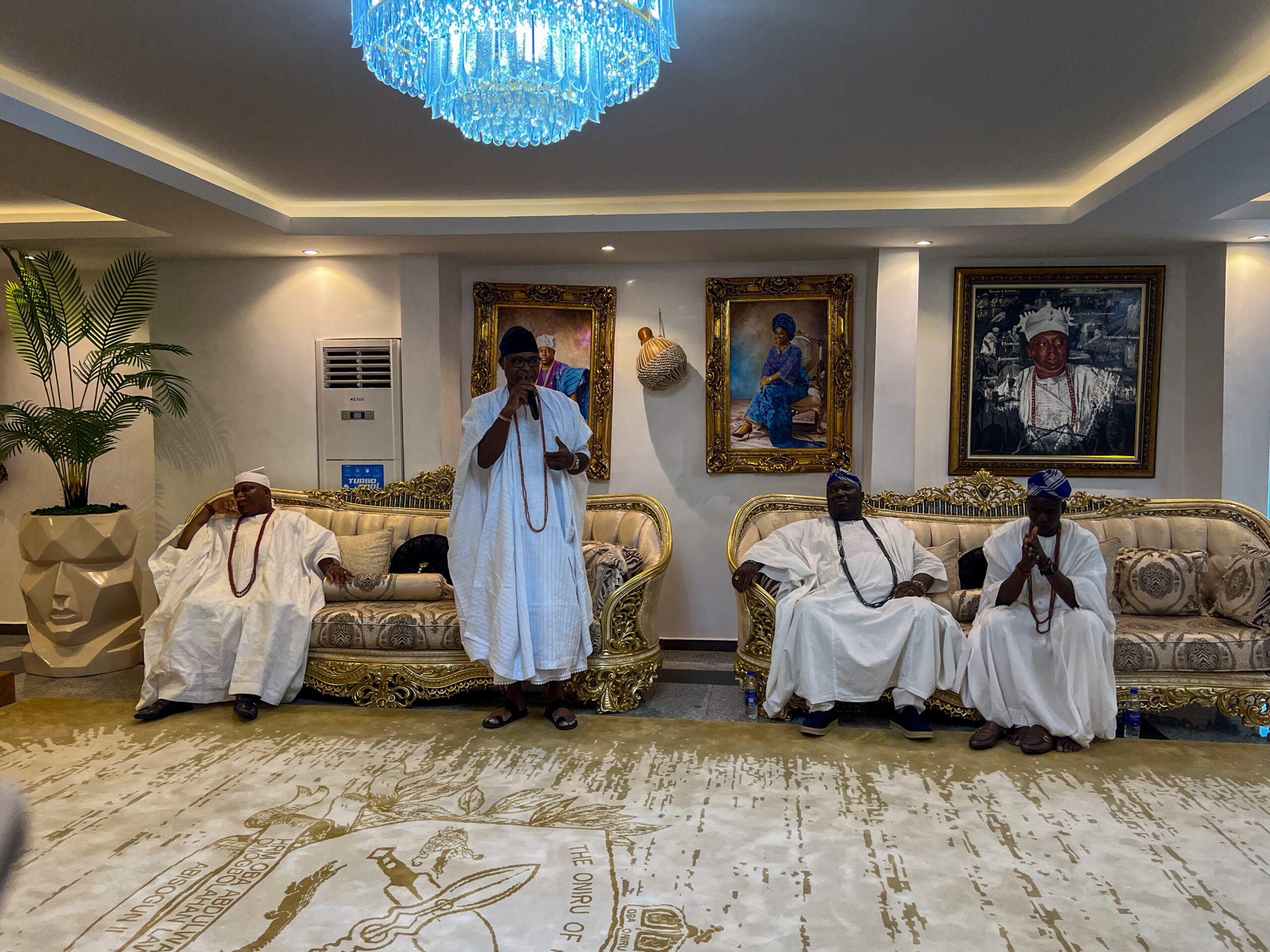
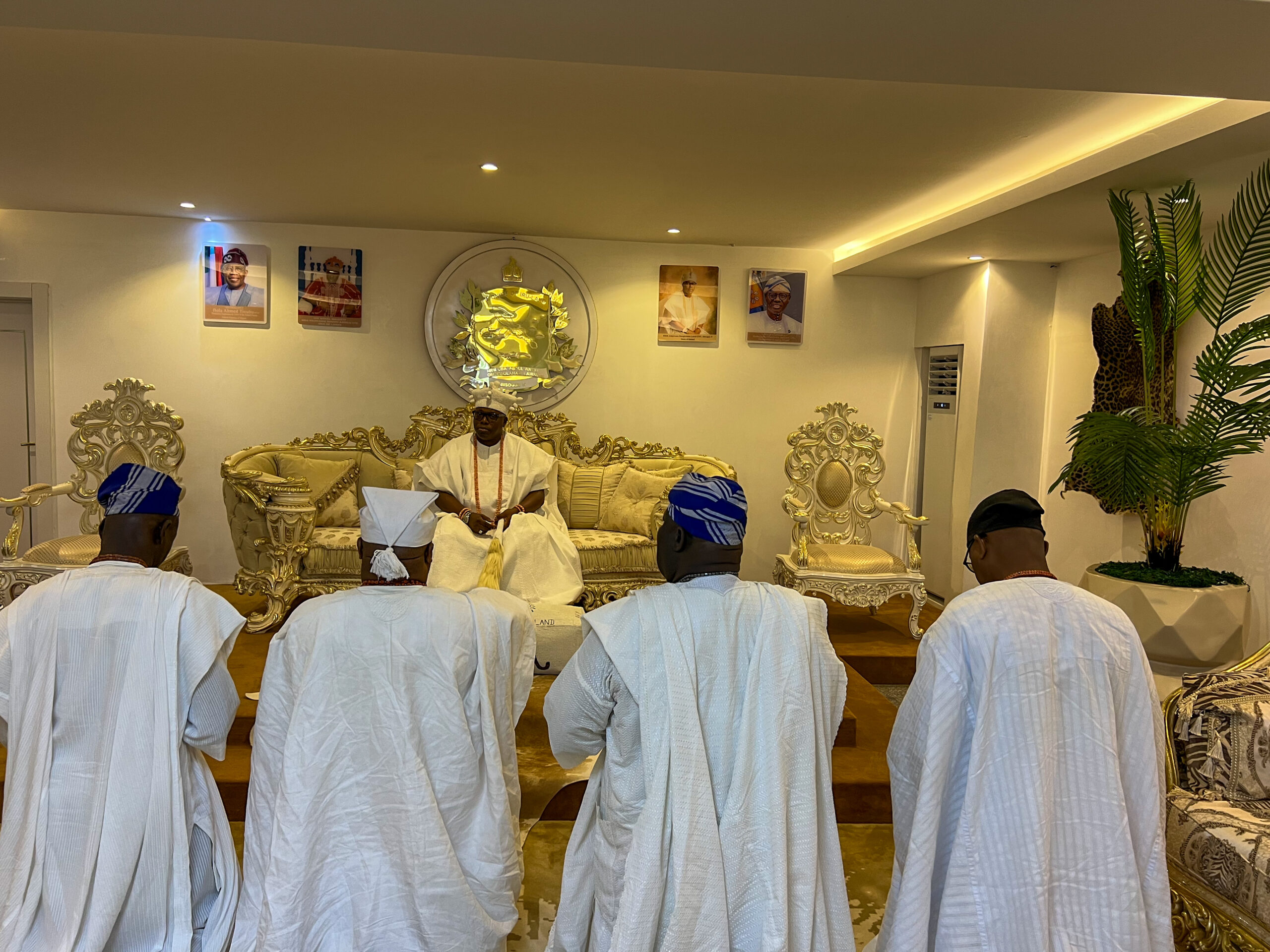
Addressing the gathering, the Oniru warmly welcomed the delegation and extended an open invitation to experience Lagos fully—especially the upcoming iconic Eyo Festival—encouraging them to feel, firsthand, the land of their ancestry.
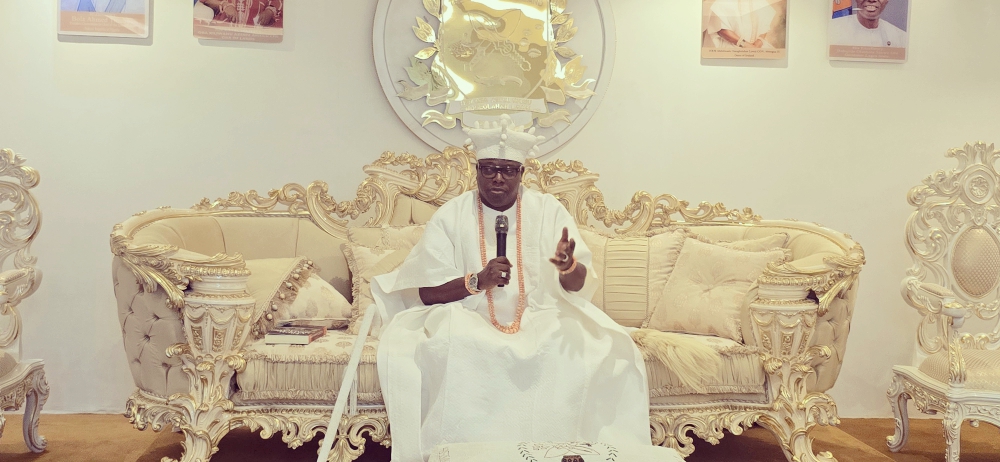
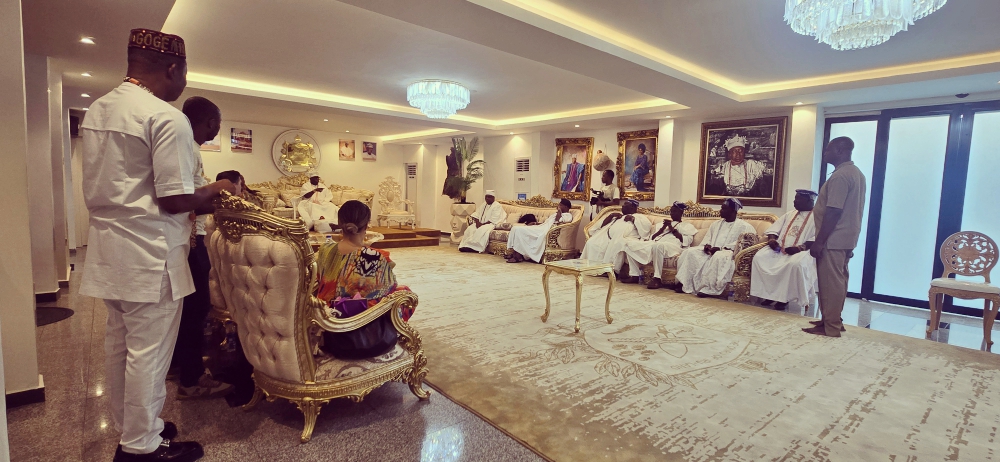
The Ceremony: Names as a Living Bridge
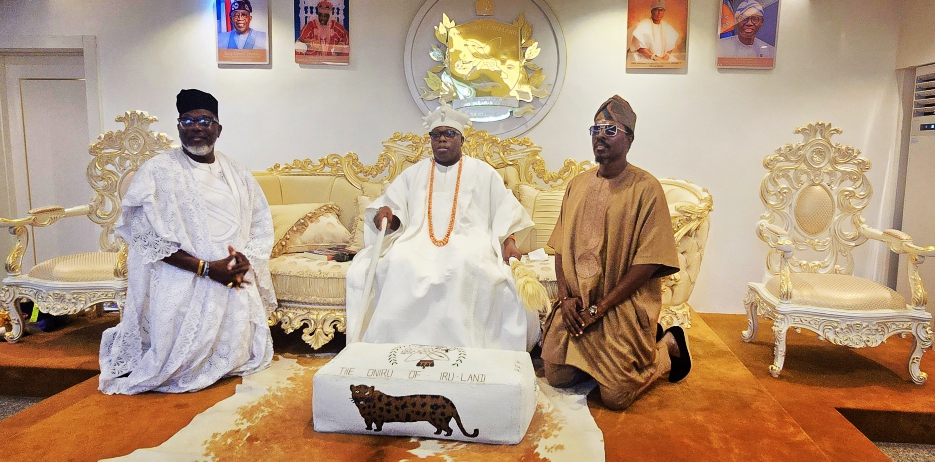
At the request of Ambassador Nneka Isaac-Moses, the atmosphere shifted—thick with emotion and reverence—as the visitors received indigenous Yoruba names. Bestowed by the chiefs of Iru Kingdom, each name was carefully chosen to serve as both a spiritual marker and a divine compass, affirming their return to source.
For Cedric and Zina, the names proclaimed restoration and destiny: Adetokunbo (“the crown is back home”) and Adetomiwa (“the crown has located you by divine providence”). Together, the names echoed the reclaiming of a royal heritage.
Andrew (Snr.) and Drew (Jnr.) received names steeped in the theme of homecoming—Omobowanle (“the homecoming”) and Adewale (“the crown has come home”). It was a shared familial blessing, affirming that their journey to Nigeria was, at its core, a return to their roots.
For the women, the names wove stories of lineage, mercy, destiny, and belonging. Monica was renamed Yetunde—“your ancestral mother has returned”—a powerful acknowledgment of ancestral cycles and spiritual remembrance. Palencia became Oluwakemi, meaning “God has shown me mercy,” a heartfelt declaration of divine reconnection.
Kimberly, now Yewande (“having a bond with mother or grandmother”), and Anita, renamed Omobolanle (“the arrival of a child with wealth into an affluent family”), symbolized integration into a lineage of strength and prosperity. Regina, given the name Abosede (“a child born on a weekend”), was firmly rooted within the traditional rhythm of the Yoruba calendar.
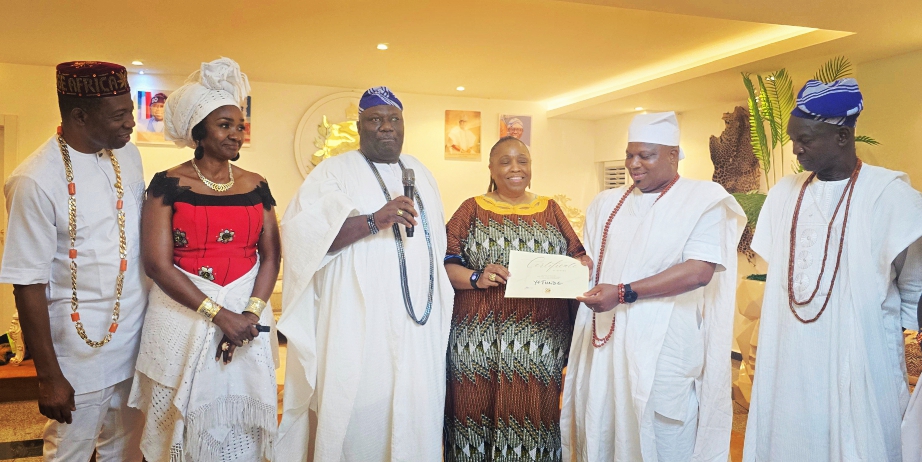
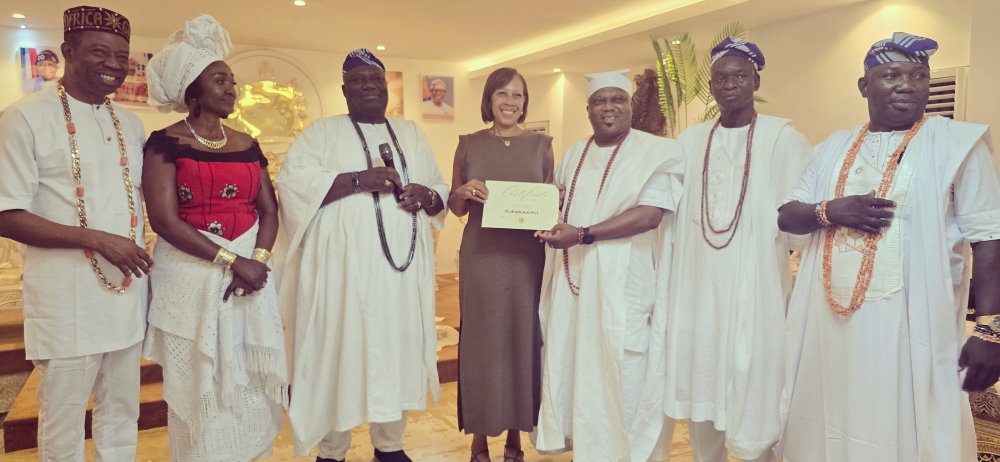
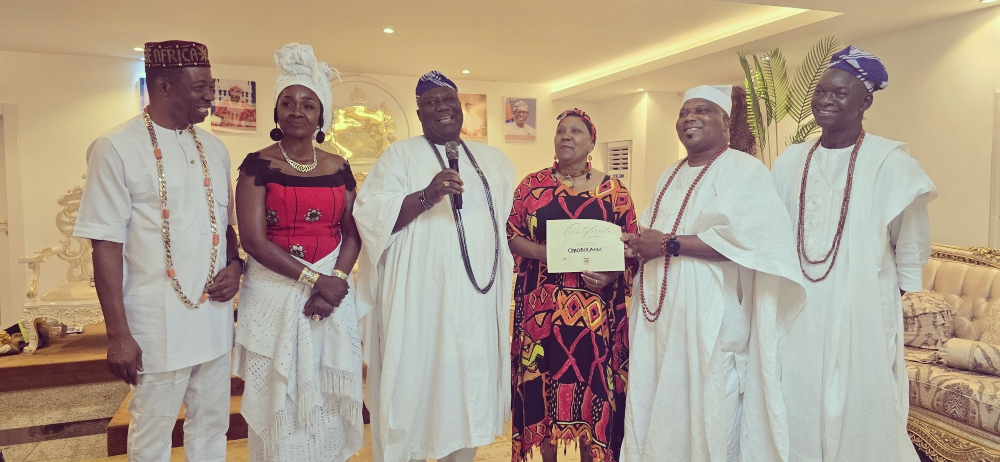
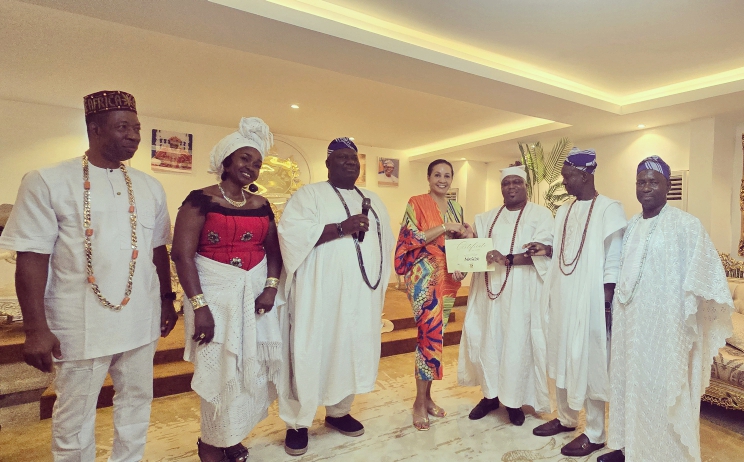
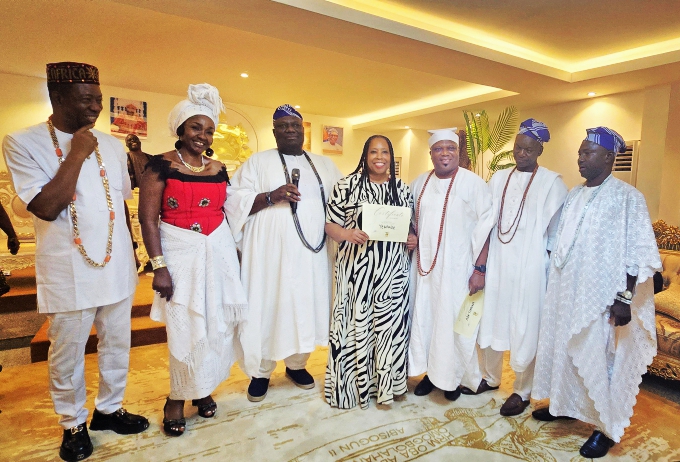
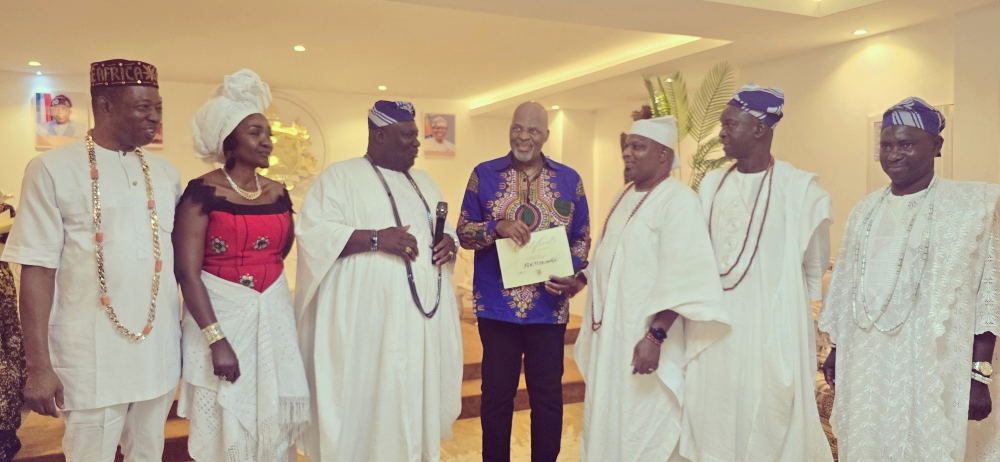
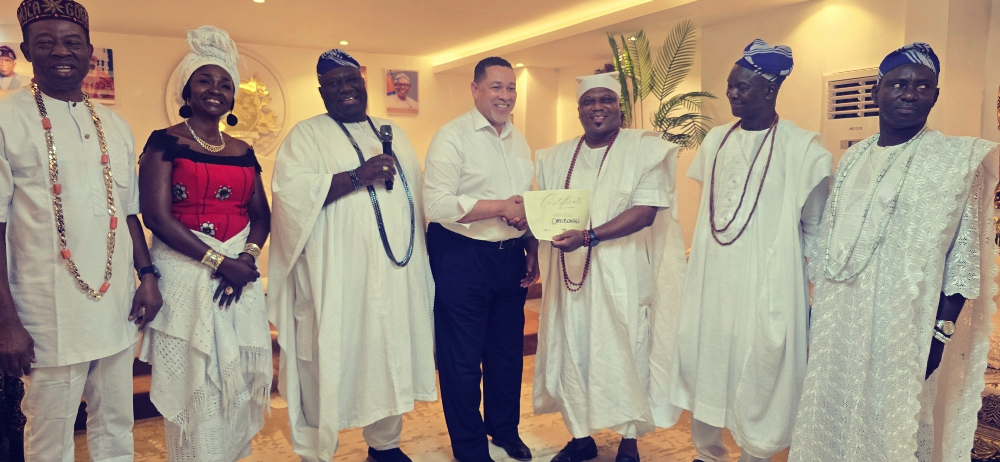
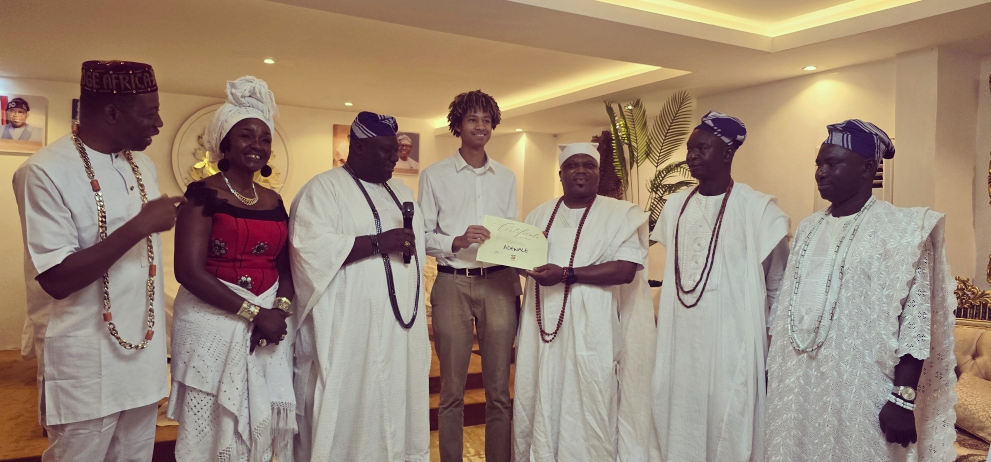
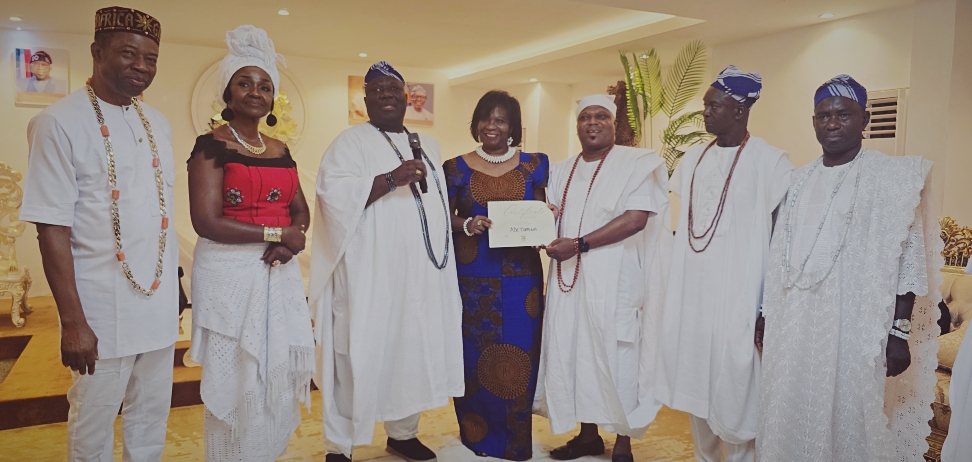
This profound act of cultural reintegration stands as a living bridge—connecting the African continent to its vast diaspora, and memory to identity.
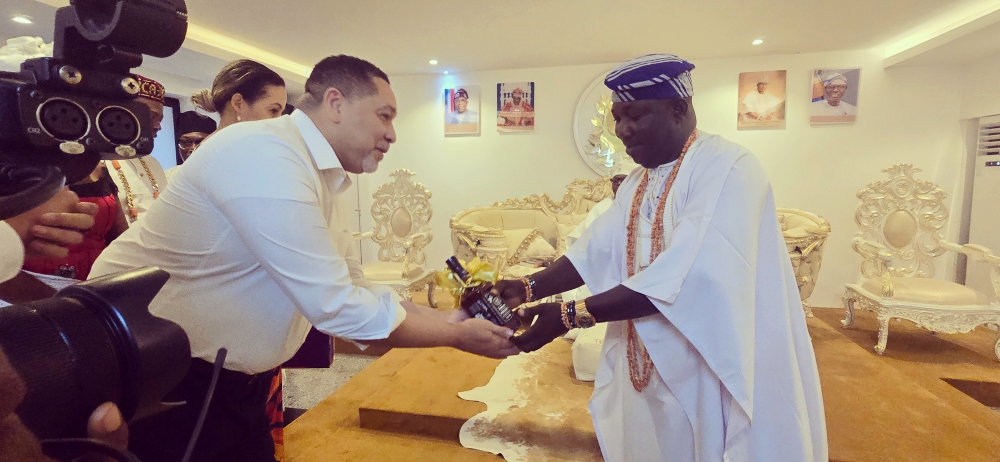
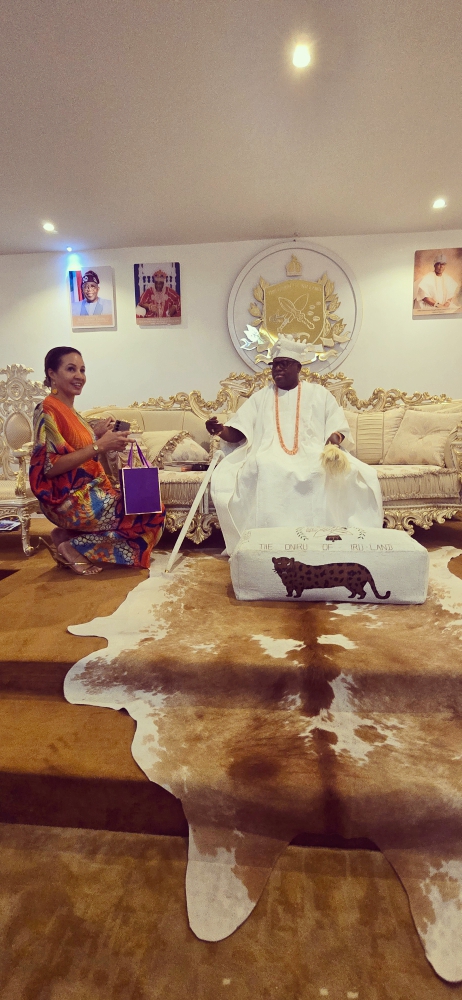
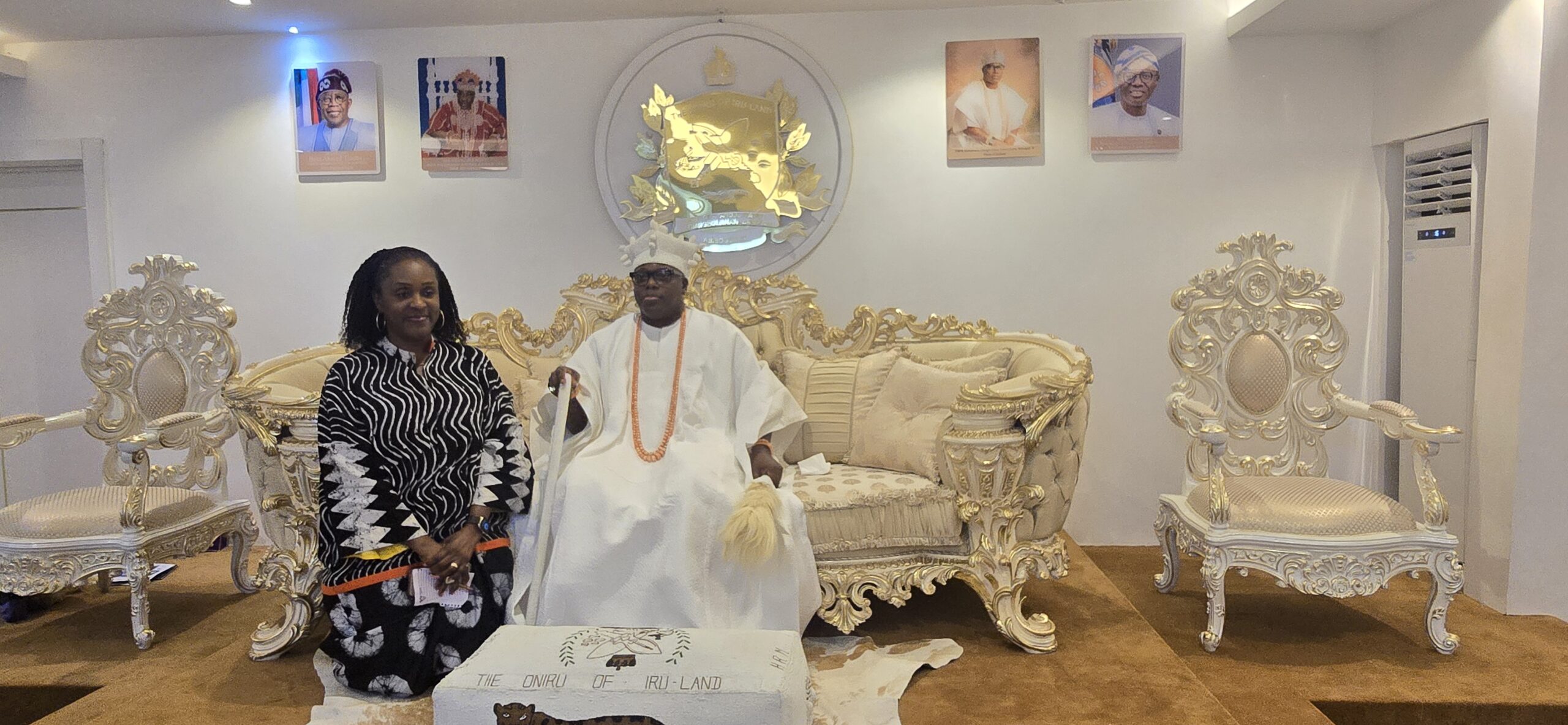
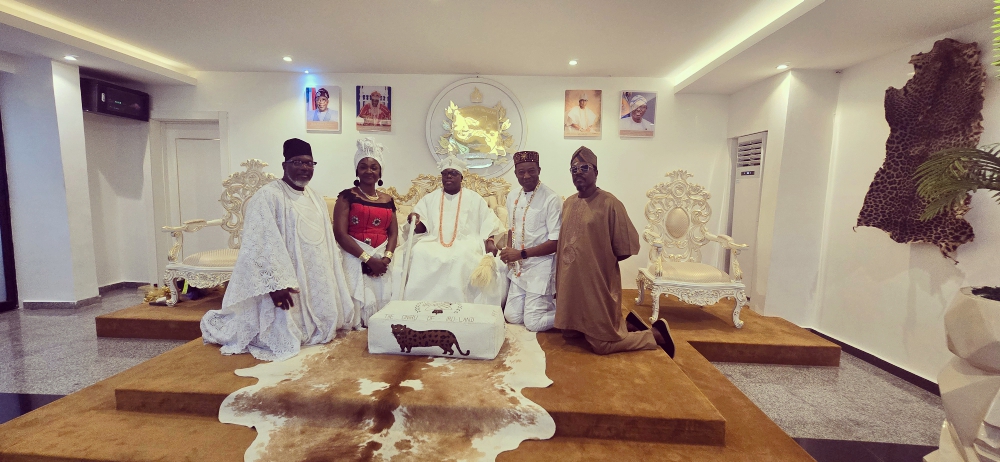
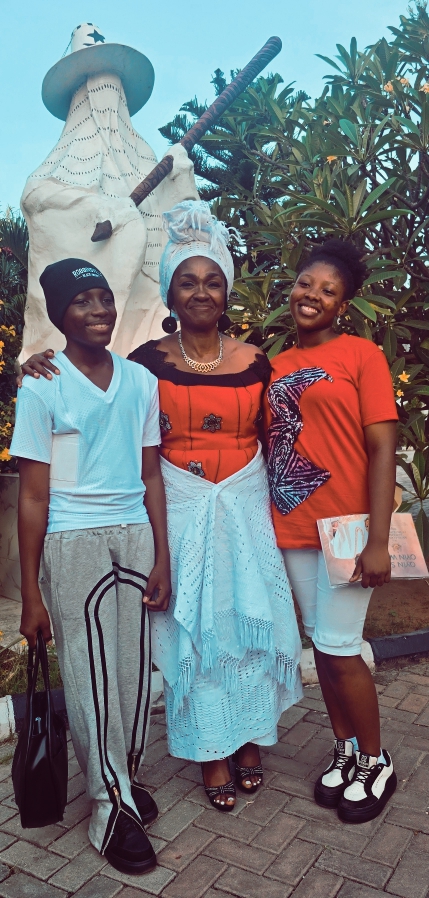
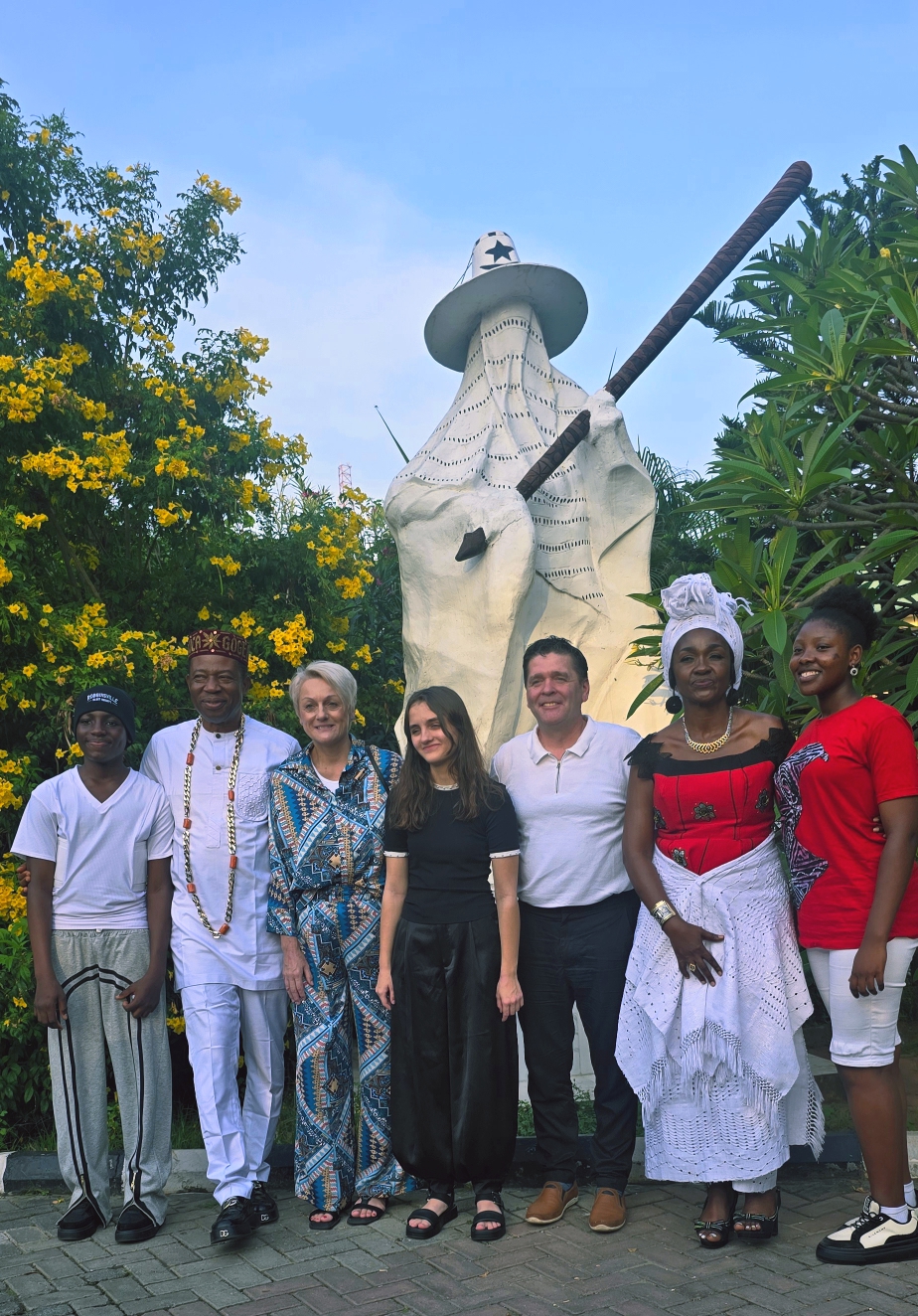
The ceremony concluded with the presentation of gifts from the tourists to the Ọba, followed by a group photograph—capturing not just faces, but a moment of restored heritage and shared history.

GIPHY App Key not set. Please check settings