


 Nneka
Nneka
Some places do not announce themselves with noise or spectacle. They reveal themselves quietly—through order, discipline, and memory. This was our experience in Arochukwu, Abia State, during Goge Africa’s visit and coverage of Ogbo Ekpe Amuvi-Arochukwu—a cultural event that is far more than a festival – a two-day celebration of one of Africa’s most enduring indigenous institutions—the Ekpe. It is a living expression of governance, spirituality, and heritage that predates colonial borders and imposed systems of rule. From the moment we arrived, Arochukwu felt different. Despite the modern architectural country home designs, exotic cars and trappings of a rich community, there was no showy affluence by individuals. No show of power. Yet, in its place, we encountered something increasingly rare—integrity, calm, and internal security, even at a time when insecurity affects some parts of Nigeria. Through our interactions with residents, elders, and custodians of tradition, it became clear that this sense of order is deeply rooted in their history.
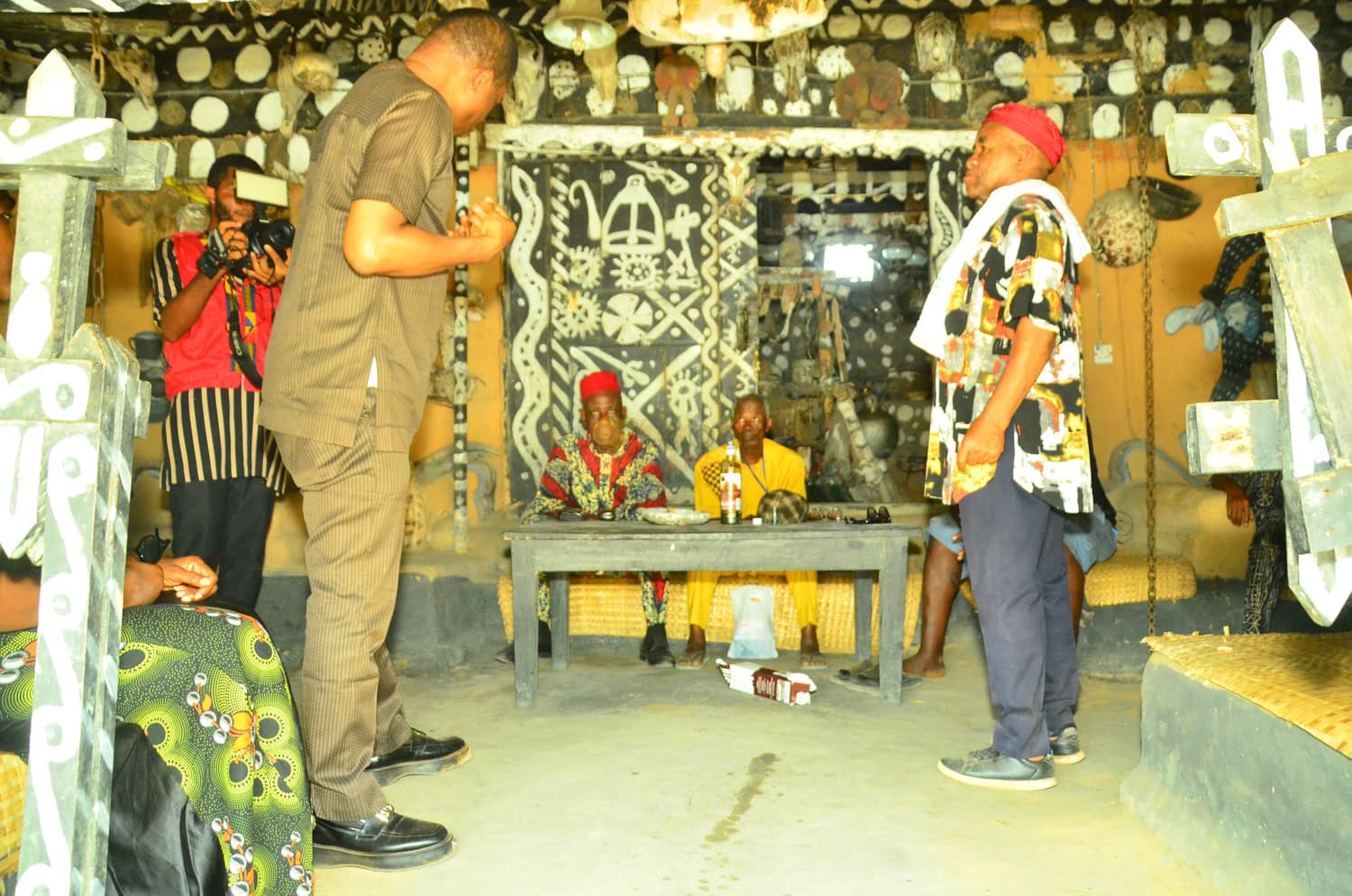

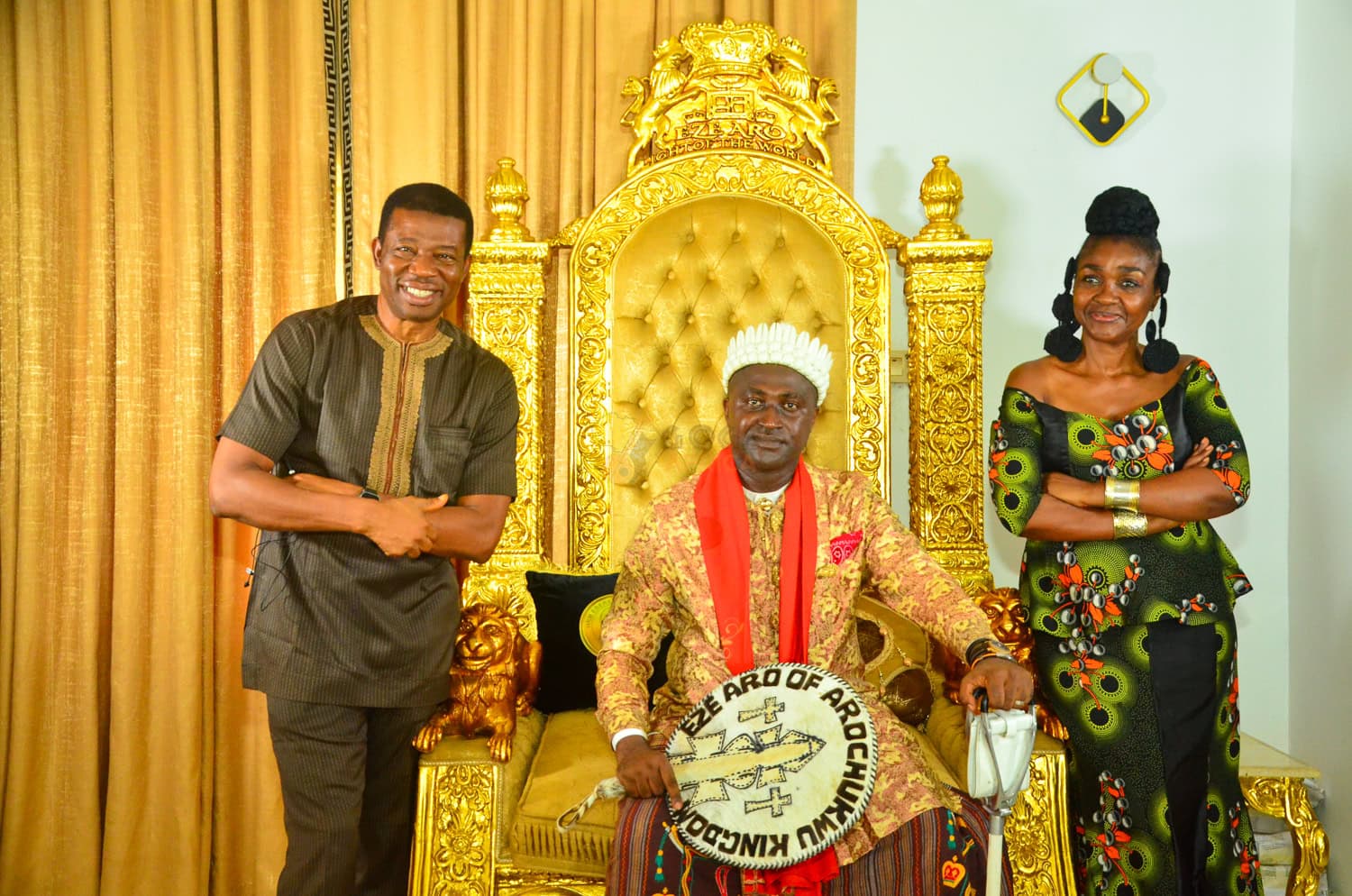
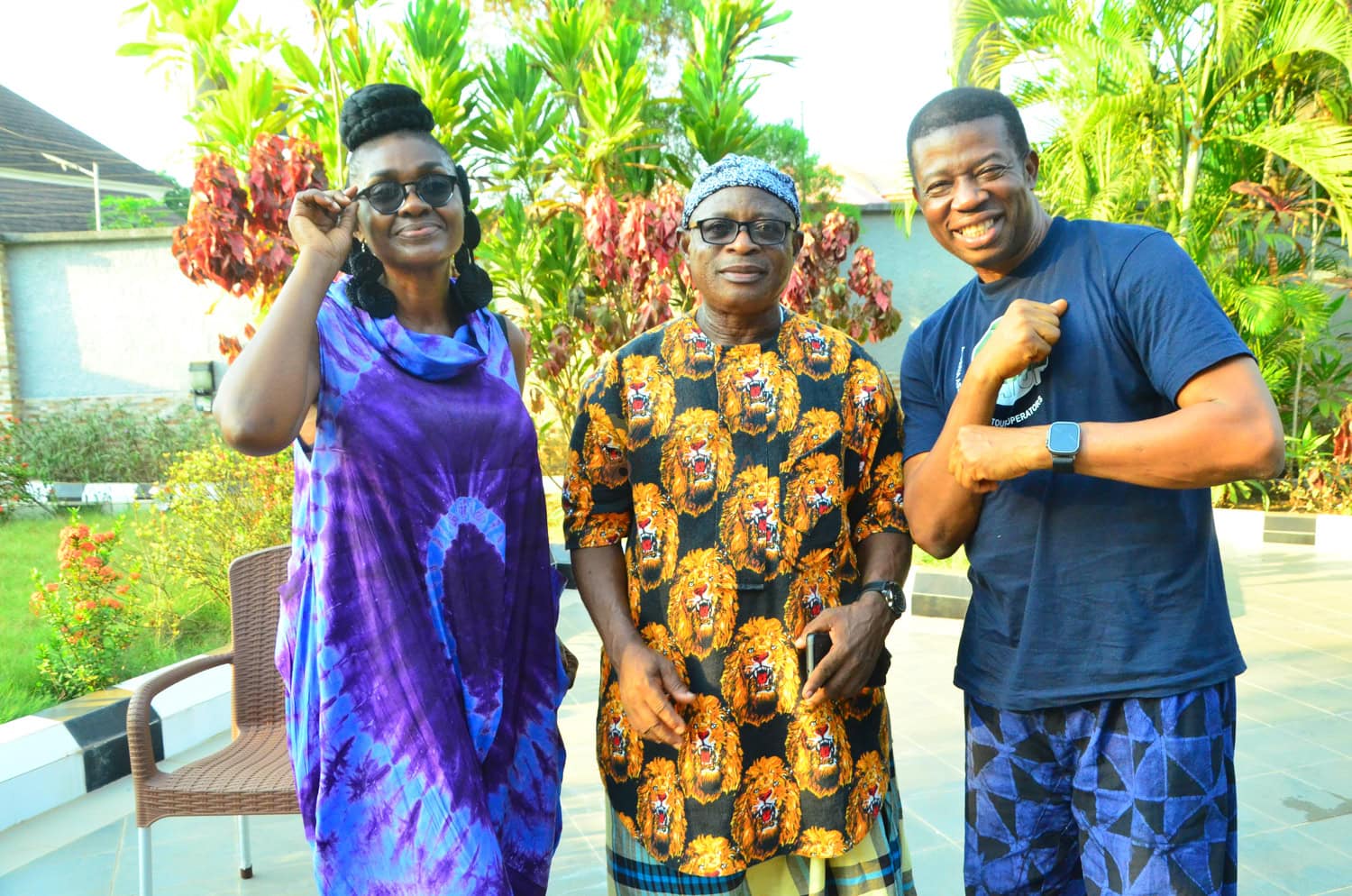
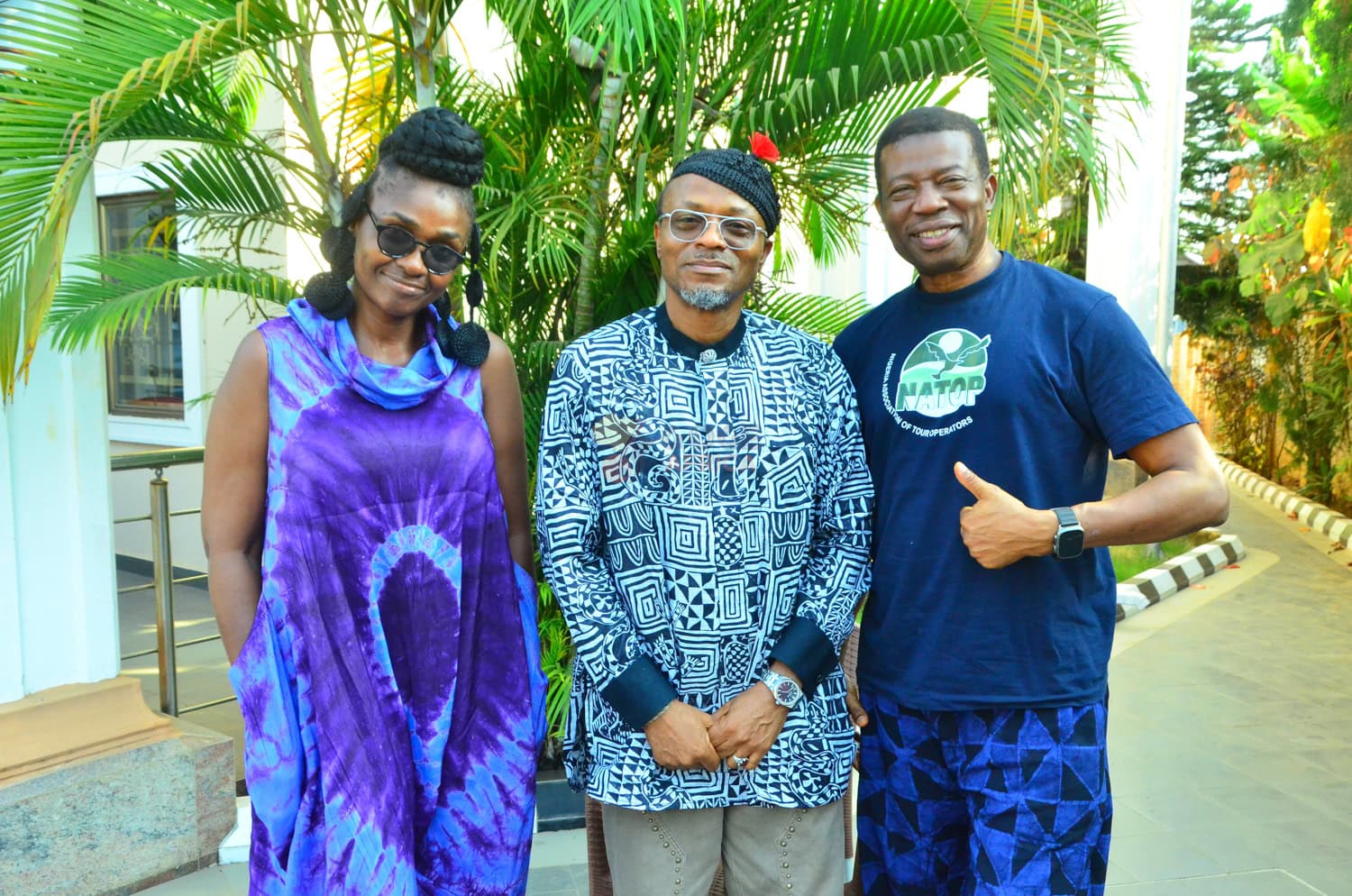
Long before colonial borders were drawn and written law imposed, Arochukwu stood as a centre where power was sacred, justice was spiritual, and systems of governance, diplomacy, and moral order existed well before colonial boundaries and modern statehood.
Ekpe: The Law That Walked.
At the heart of this system was Ekpe—and in Amuvi, Arochukwu, Ogbo Ekpe was one of its most powerful expressions. Ekpe, in its essence, has never been a local or insular institution. It is a trans-regional system that once bound together communities across what is today southeastern Nigeria, southwestern Cameroon, and beyond. Through its codes, rituals, and judicial authority, Ekpe regulated trade, mediated disputes, upheld ethics, and facilitated communication across linguistic and ethnic boundaries. Nsịbidị, its ideographic system, functioned as a civilizational bridge, breaking language barriers and granting recognition across the Cross River region.
The Symposium: Intellectual Engagement and Narrative Reclamation.
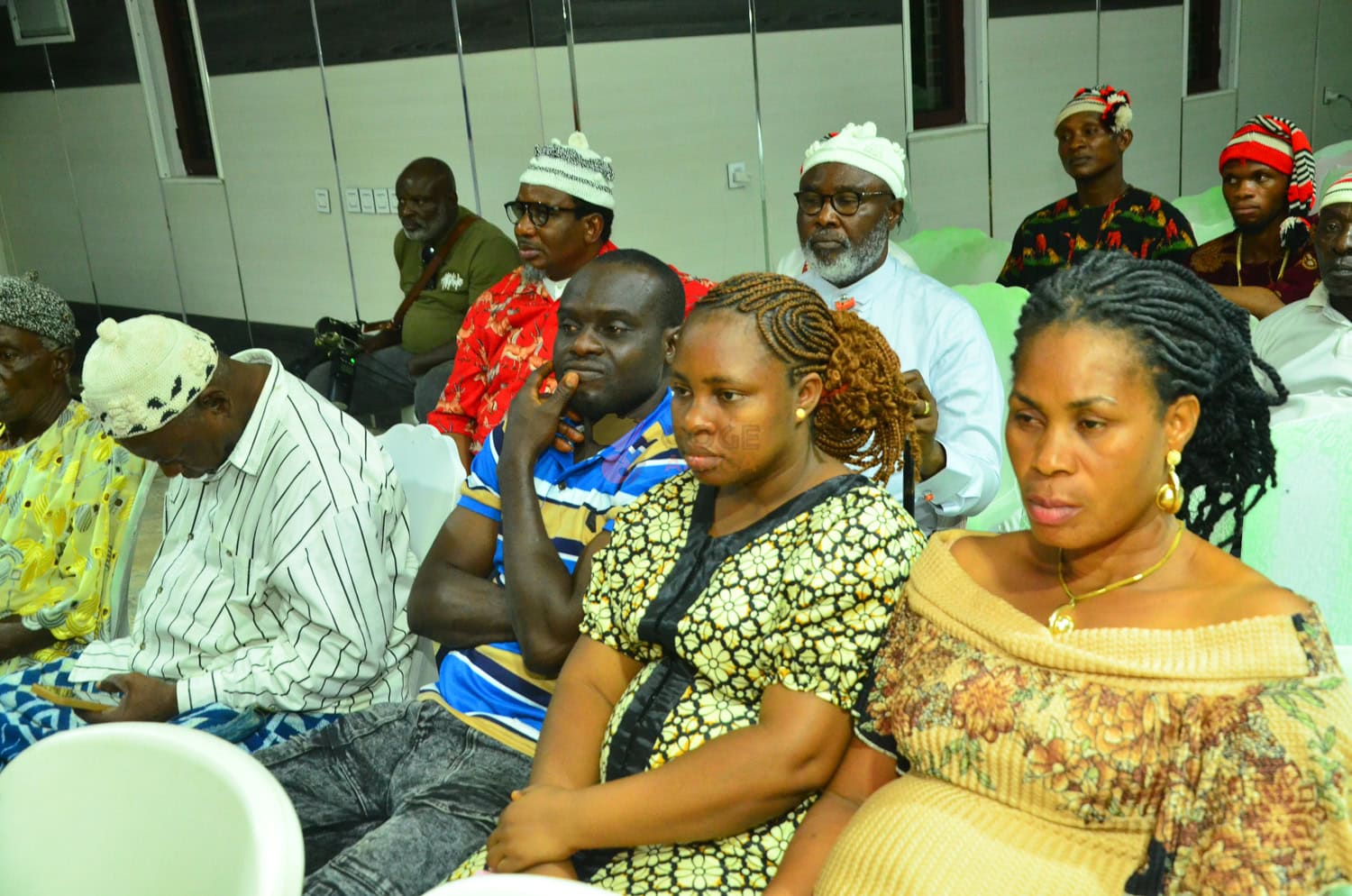
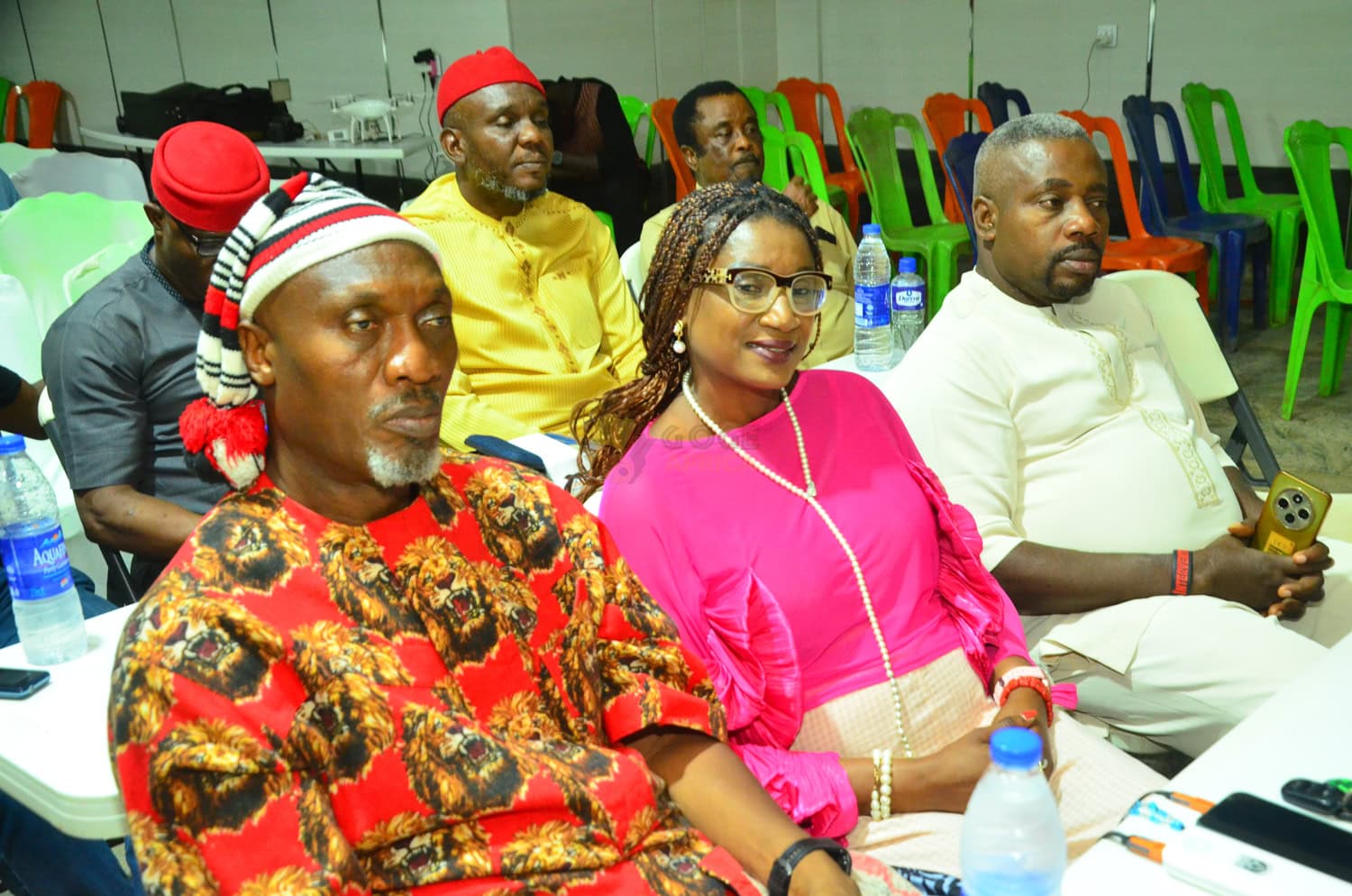
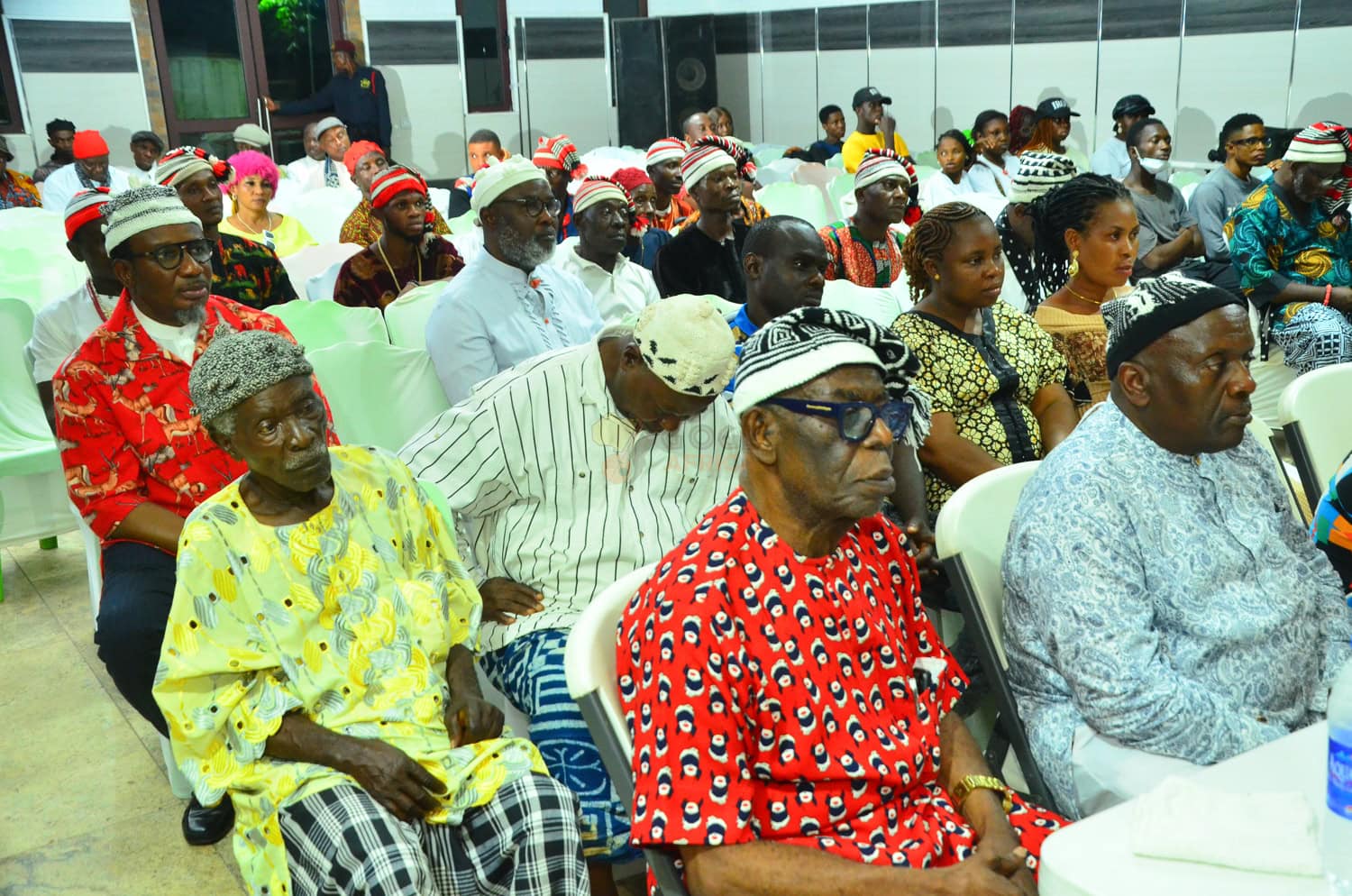
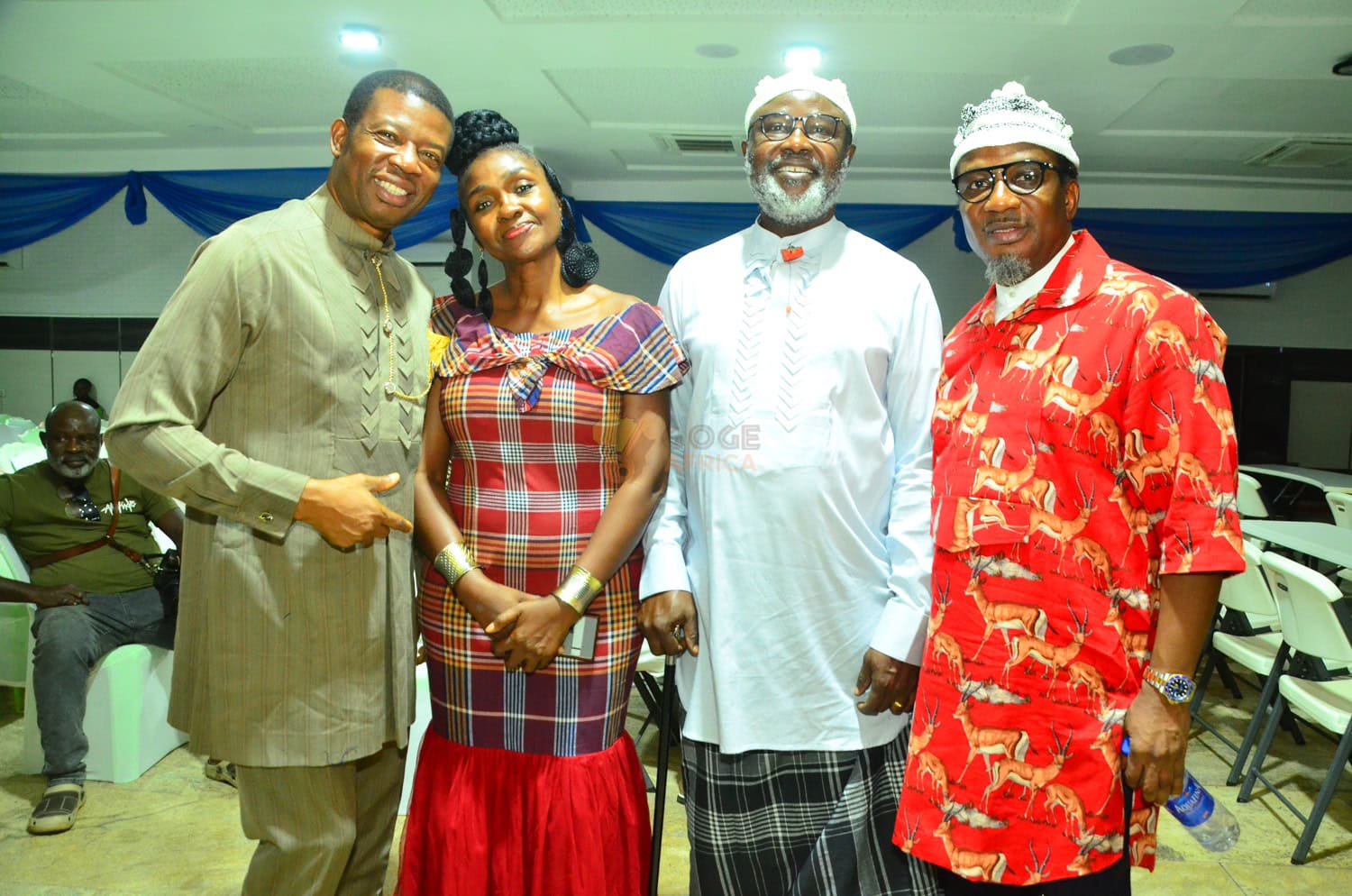
The Ogbo Ekpe Amuvi-Arochukwu gathering began with a robust symposium, setting the tone for intellectual engagement rather than spectacle. Themed “The Relevance of Ekpe in a Contemporary World: Governance, Unity and Heritage”.
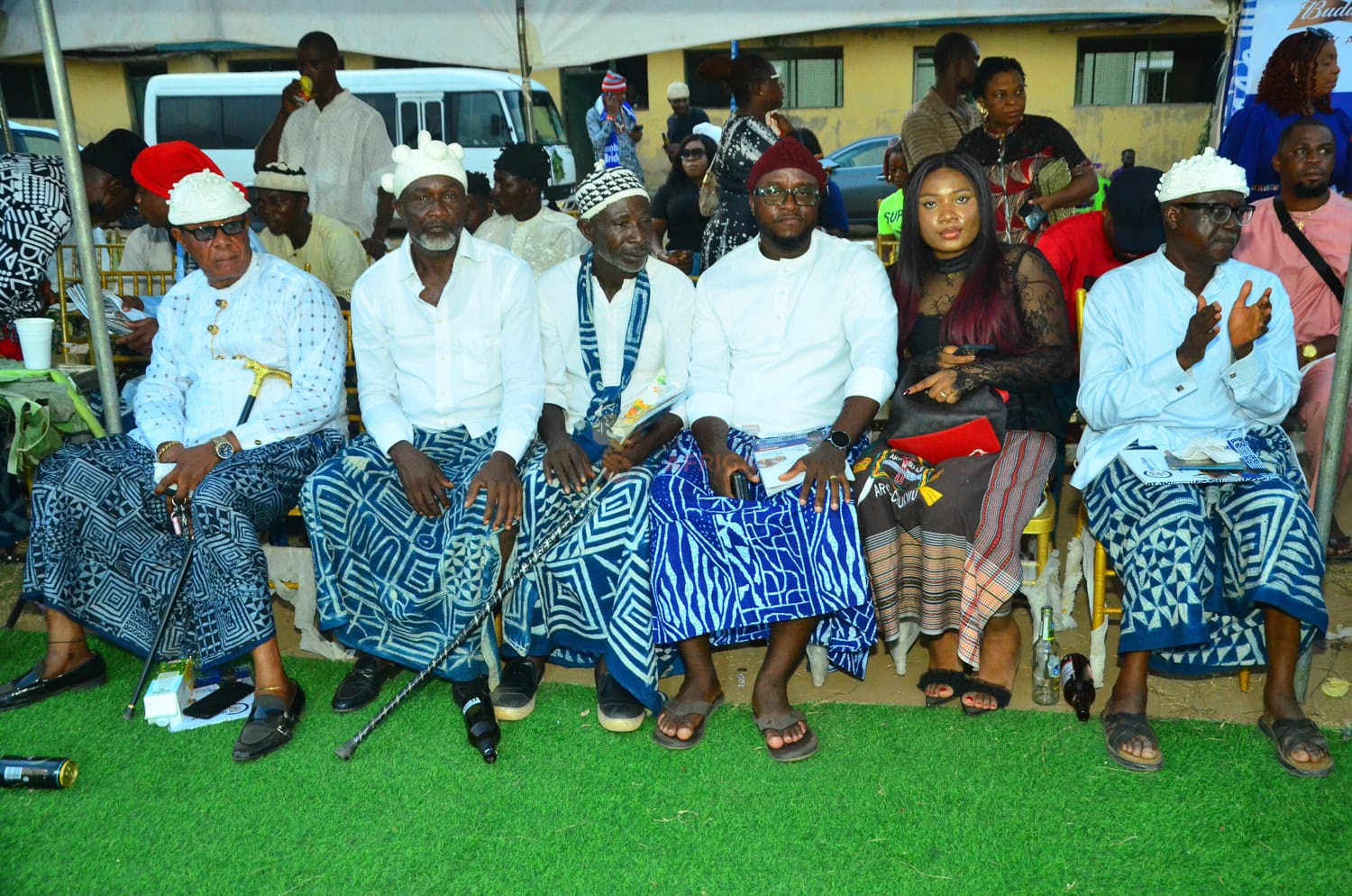
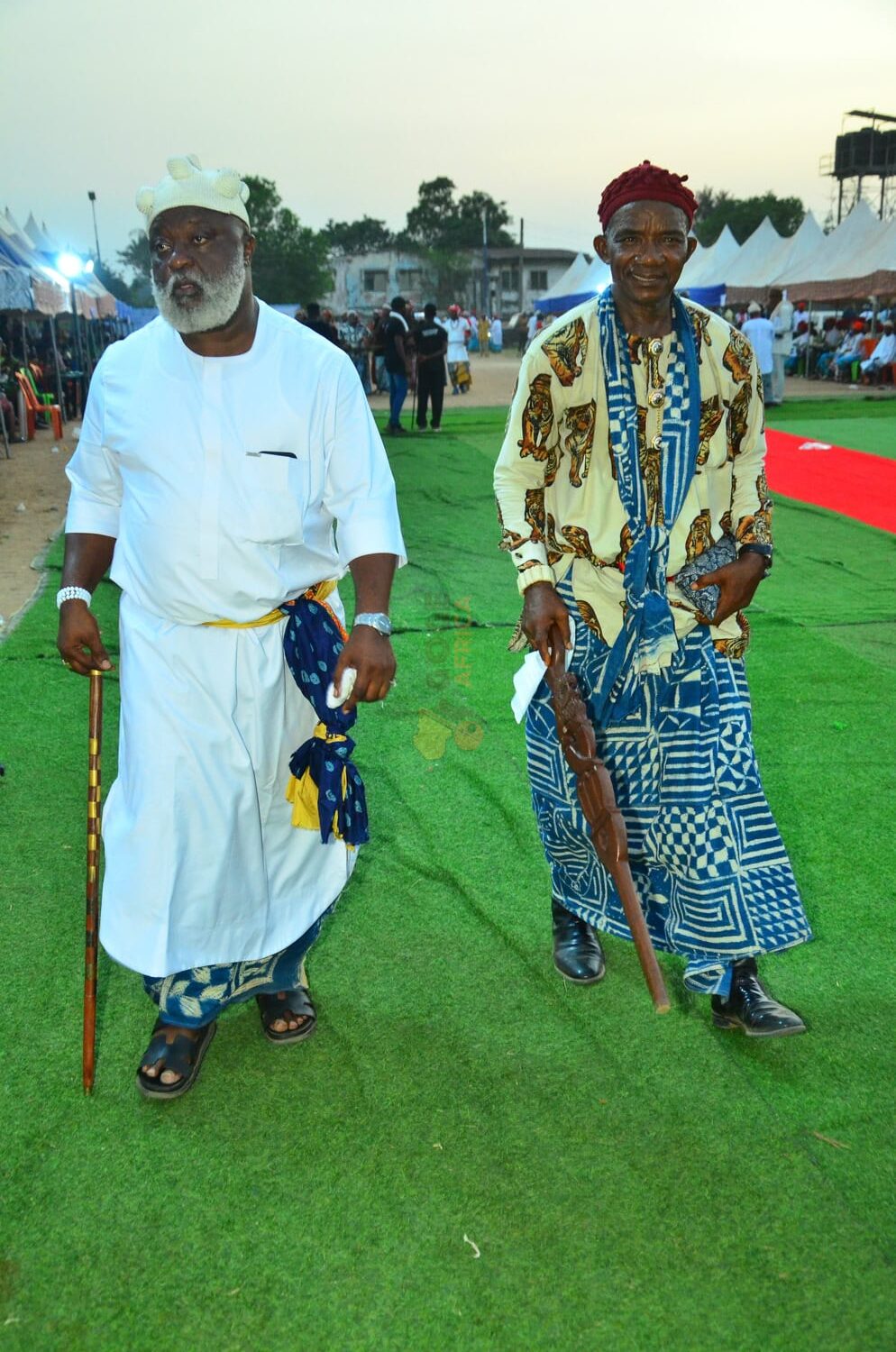
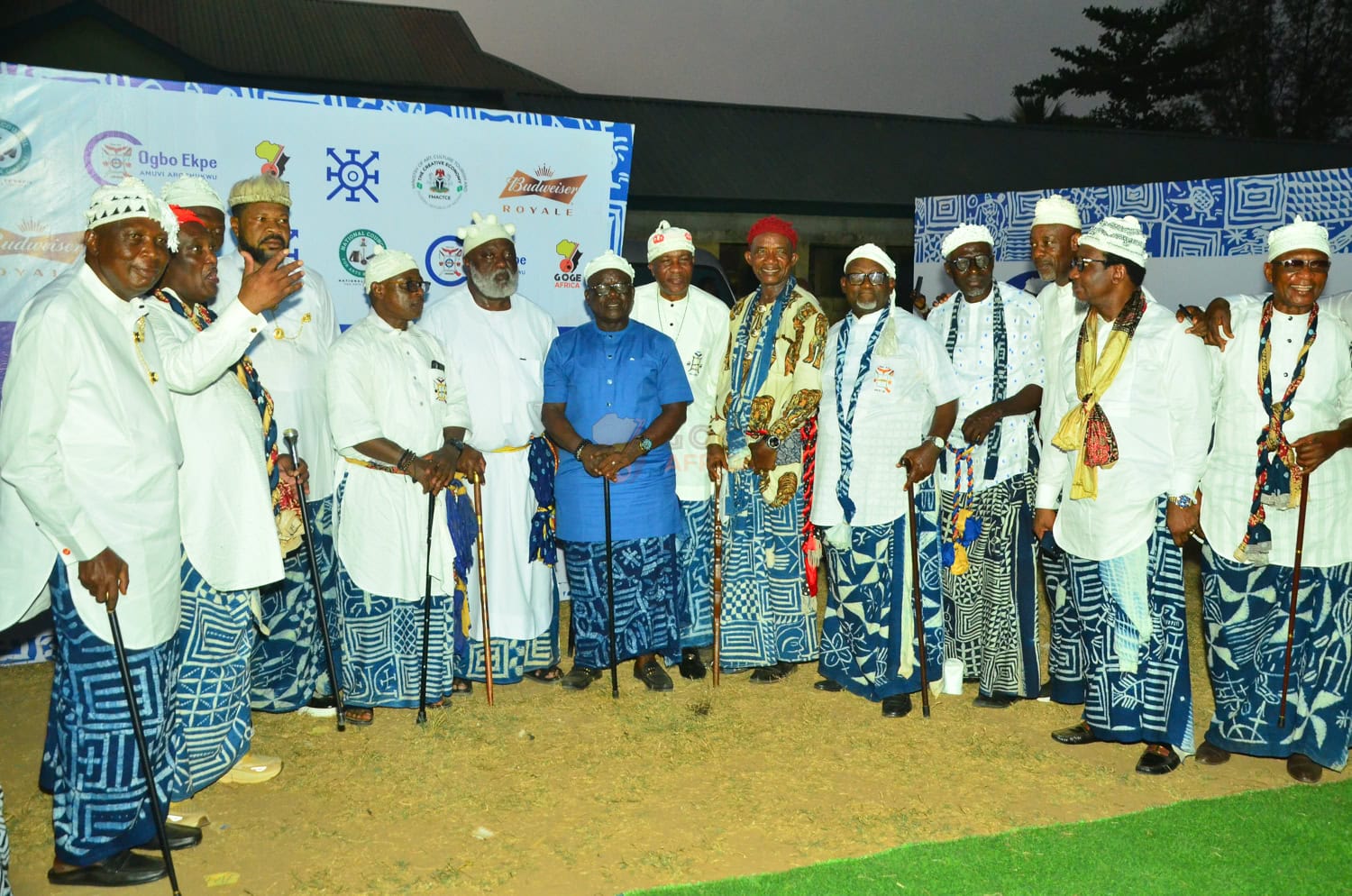
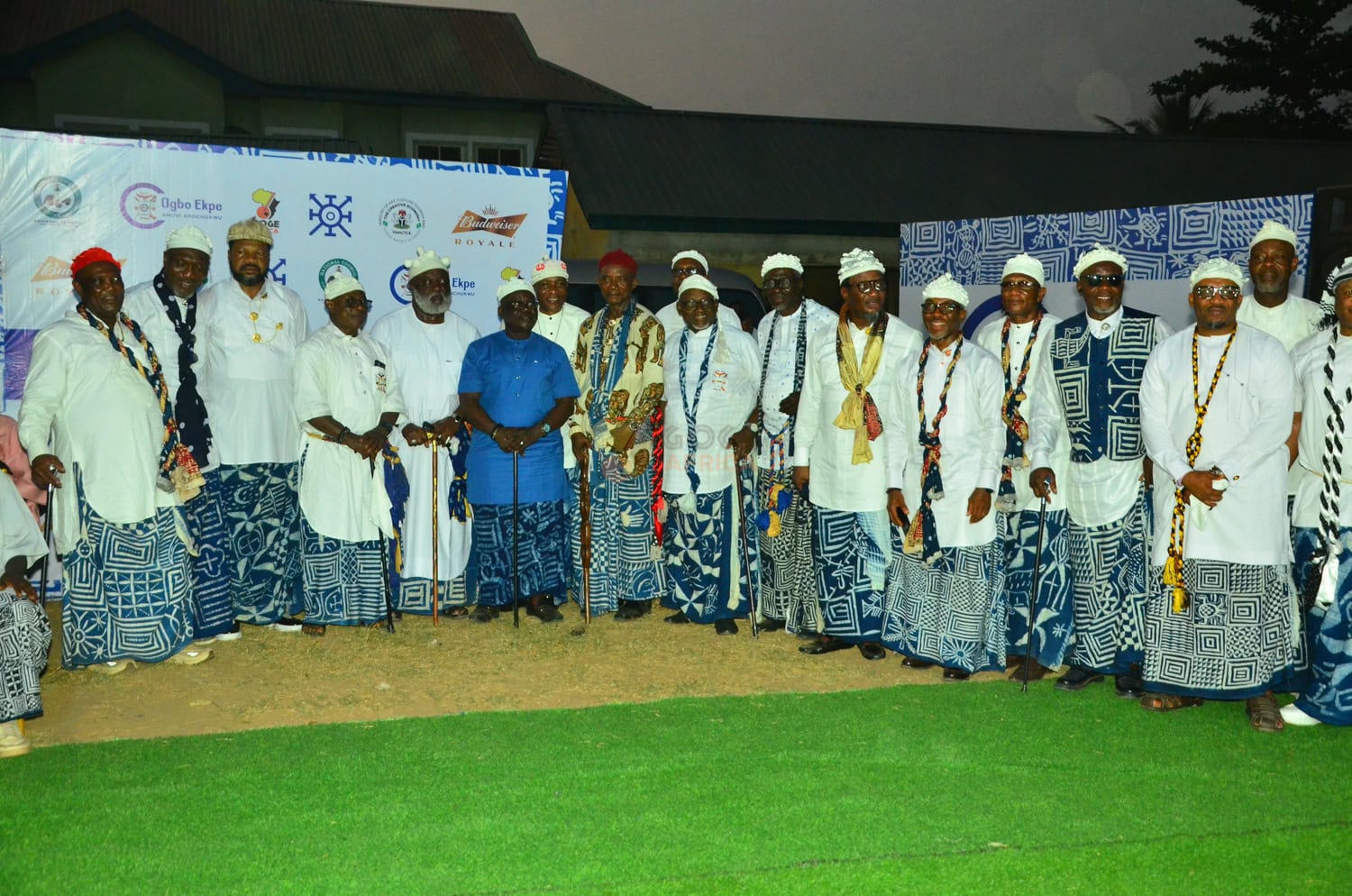
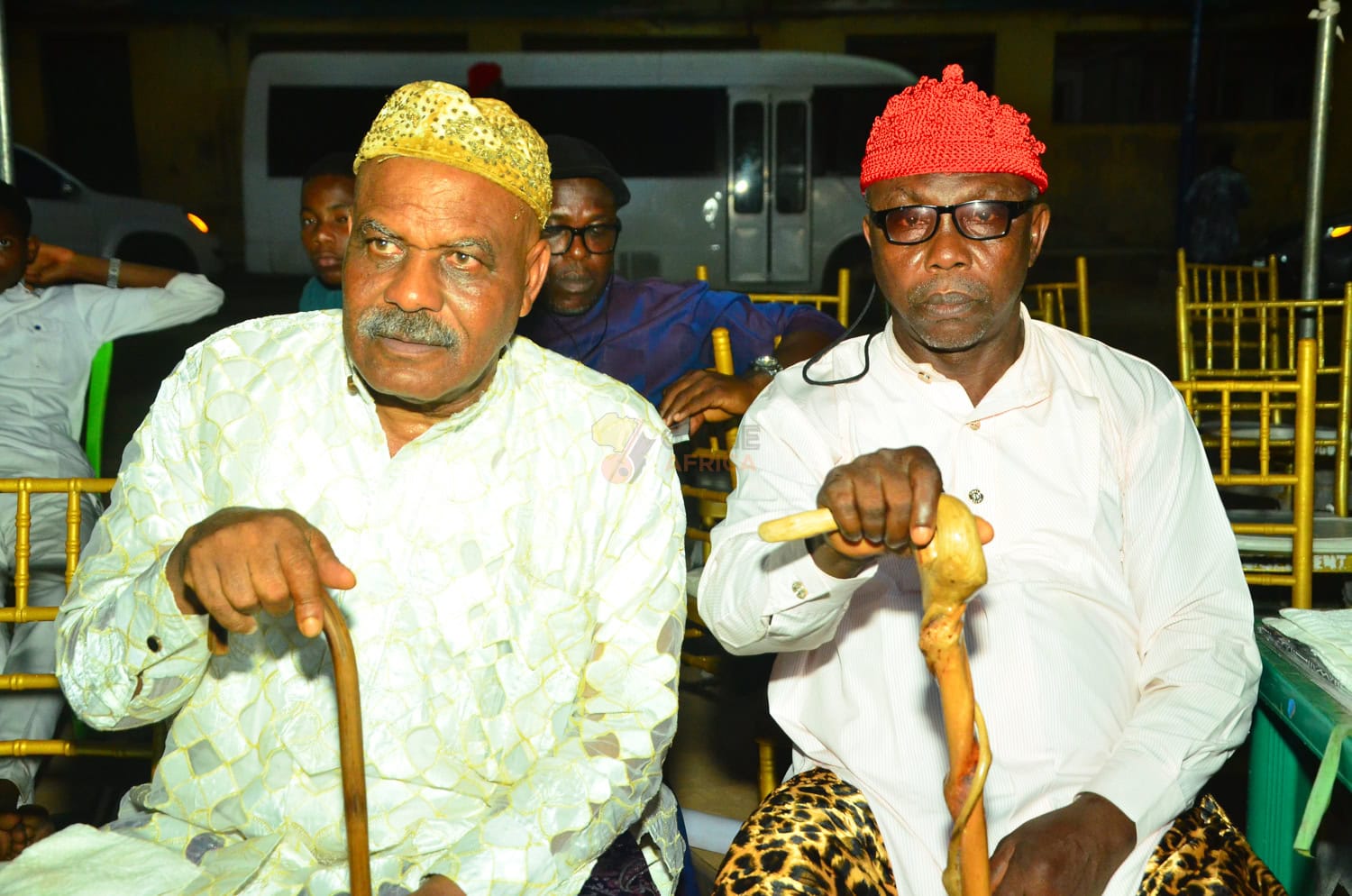
The event was graced by His Eminence, the Eze Aro, His Royal Majesty, Engr. Eberechukwu Oji alongside scholars, technocrats, historians, traditionalists, cultural custodians, Christian reverends and indigenes from communities where the Ekpe institution has historically existed. This diversity reflected the inclusive and dialogic nature of Arochukwu society itself.
The Eze Aro, in his keynote remark emphasized Ekpe as a living intangible heritage—an institution deeply rooted in indigenous governance, jurisprudence, and social accountability. He underscored its continued relevance as a moral and regulatory framework that predates modern governance systems.
Discussions examined the Ekpe institution through the lenses of indigenous governance, moral authority, unity, trans-border identity, heritage preservation, relevance of traditional values in a contemporary world and its future in a rapidly modernizing world. One of the panelists, Prof. Okoro Ijoma, traced the origins of the Ekpe institution to the 18th century, highlighting its expansive influence along the Cross River basin and its role in structuring social order and authority across communities. Reinforcing this perspective, Mazi Chijioke Ikonte noted that “Ekpe played a role, not just in governance, but also played a very significant role in conflict resolution,” pointing to its effectiveness in mediating disputes and maintaining communal harmony.
The symposium was notably participatory, as attendees contributed insights drawn from personal and communal experiences, further enriching the discourse and affirming Ekpe as an institution lived, not merely studied.

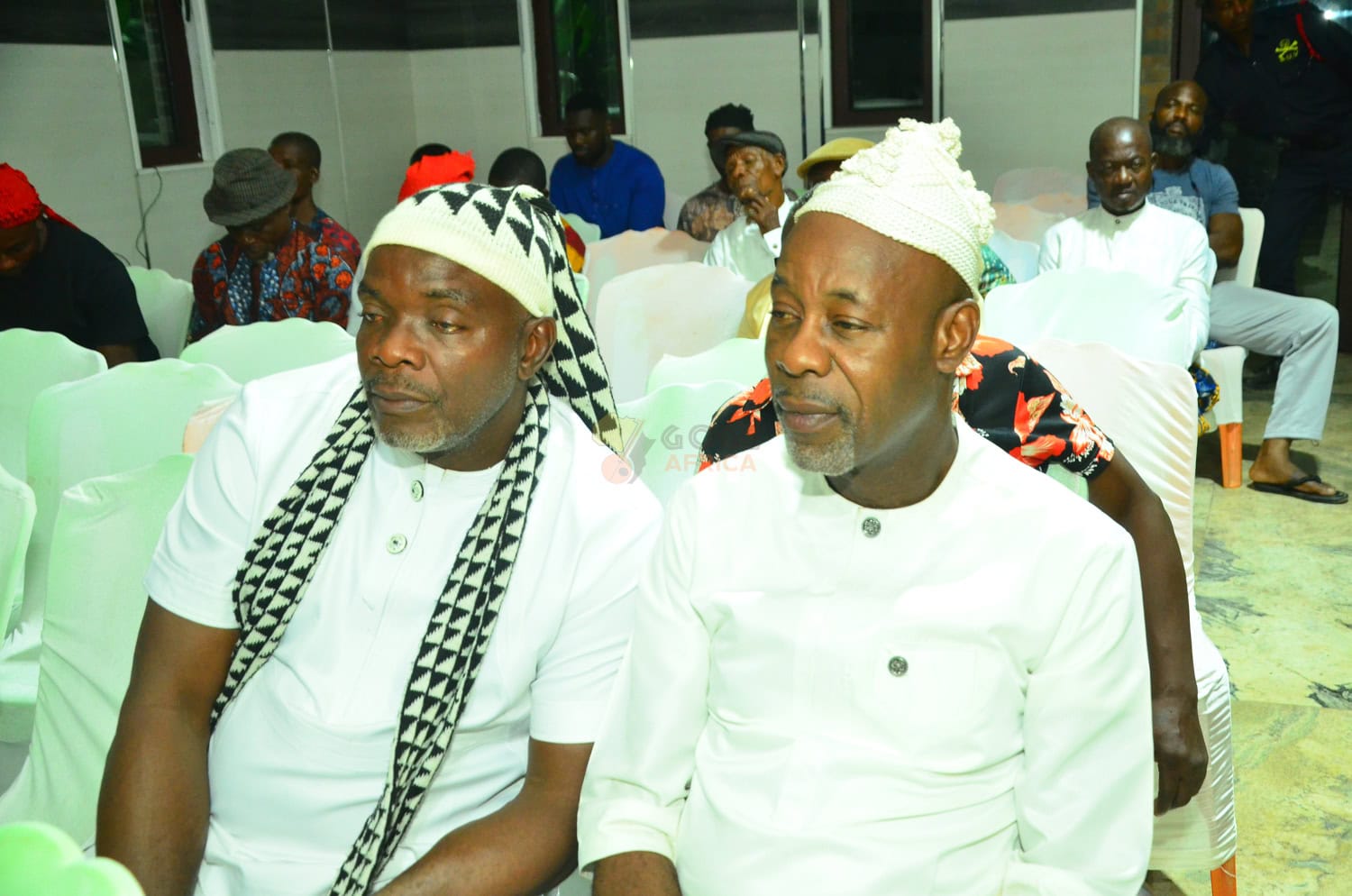
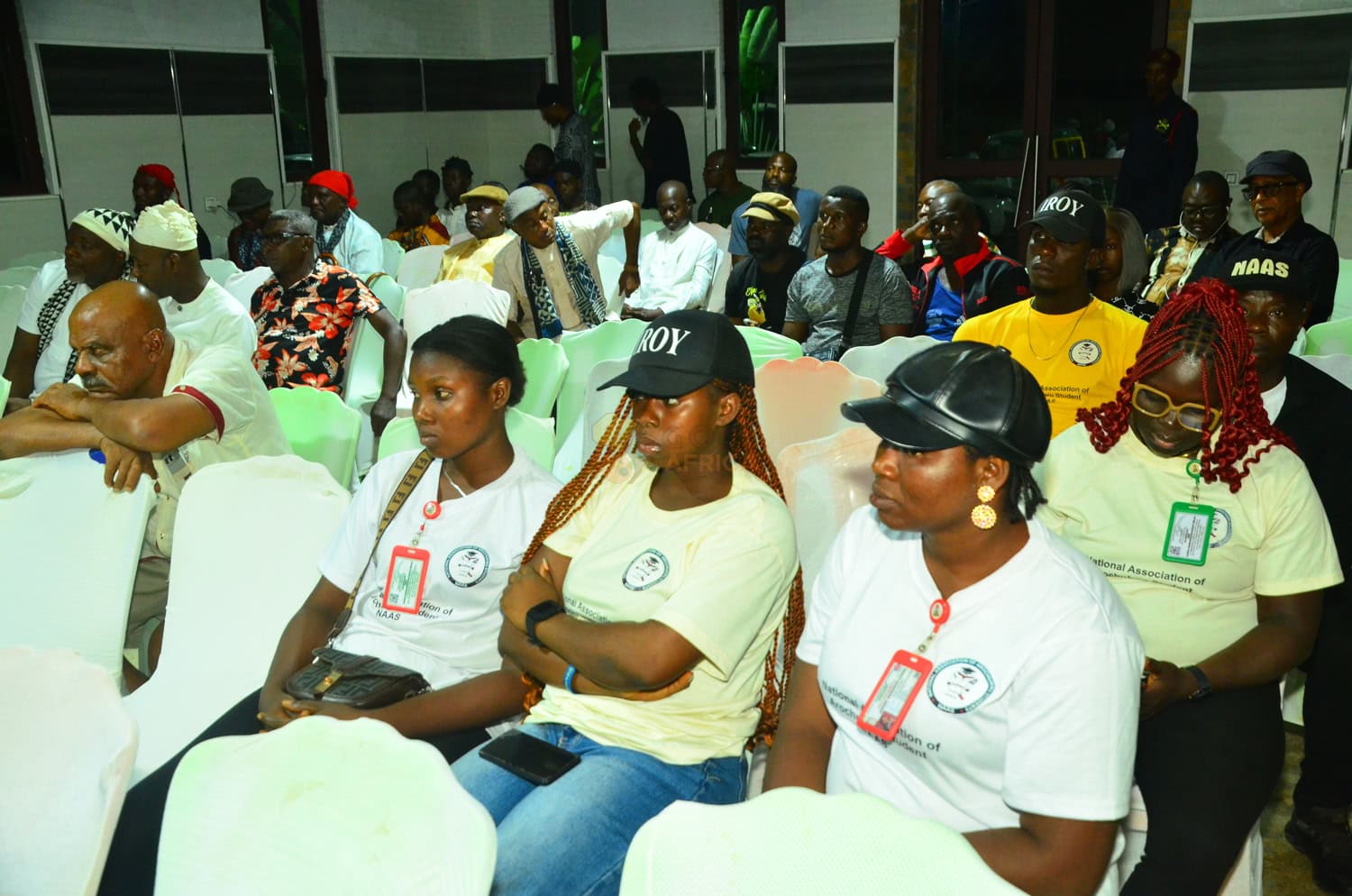
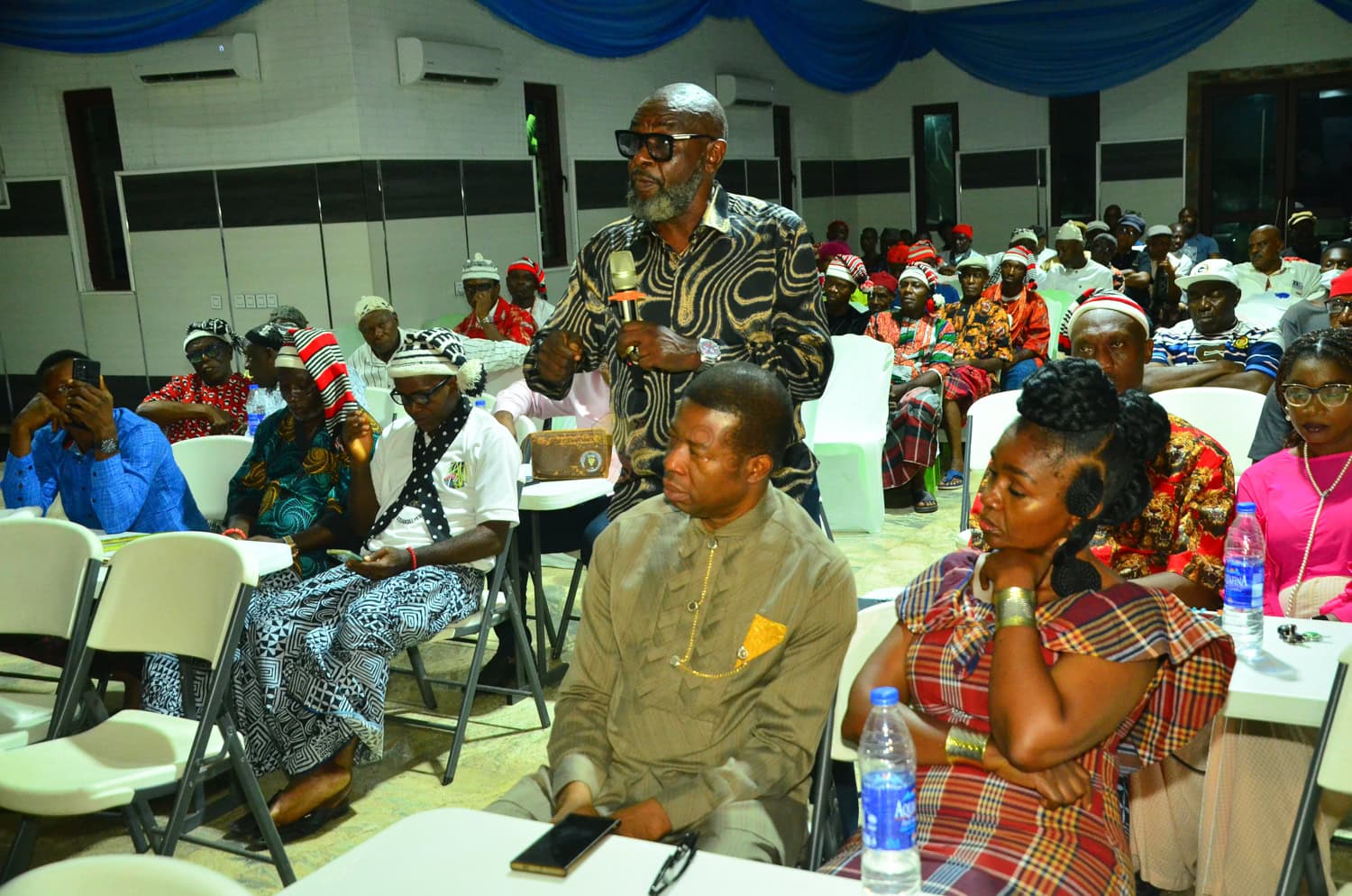
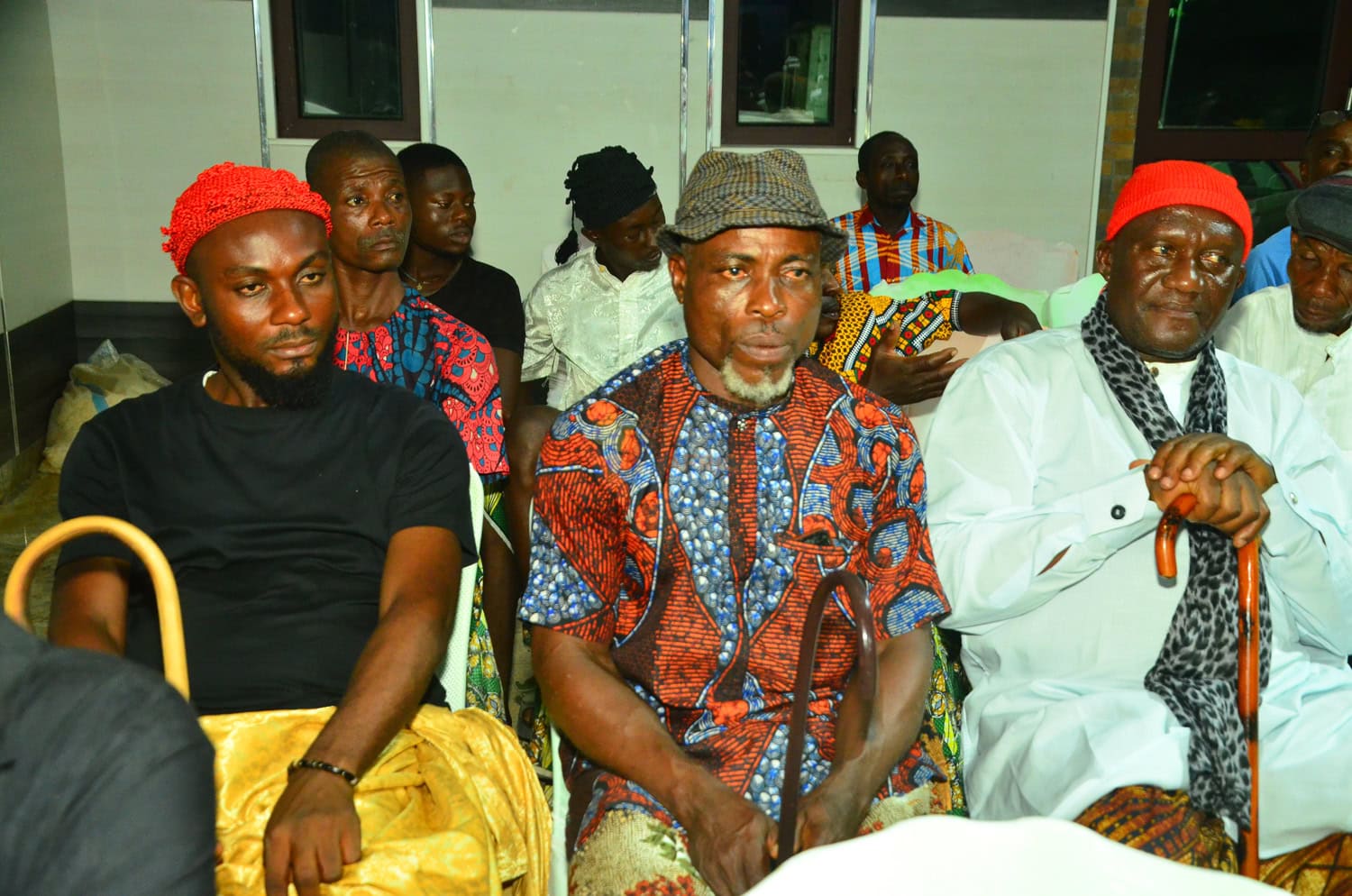
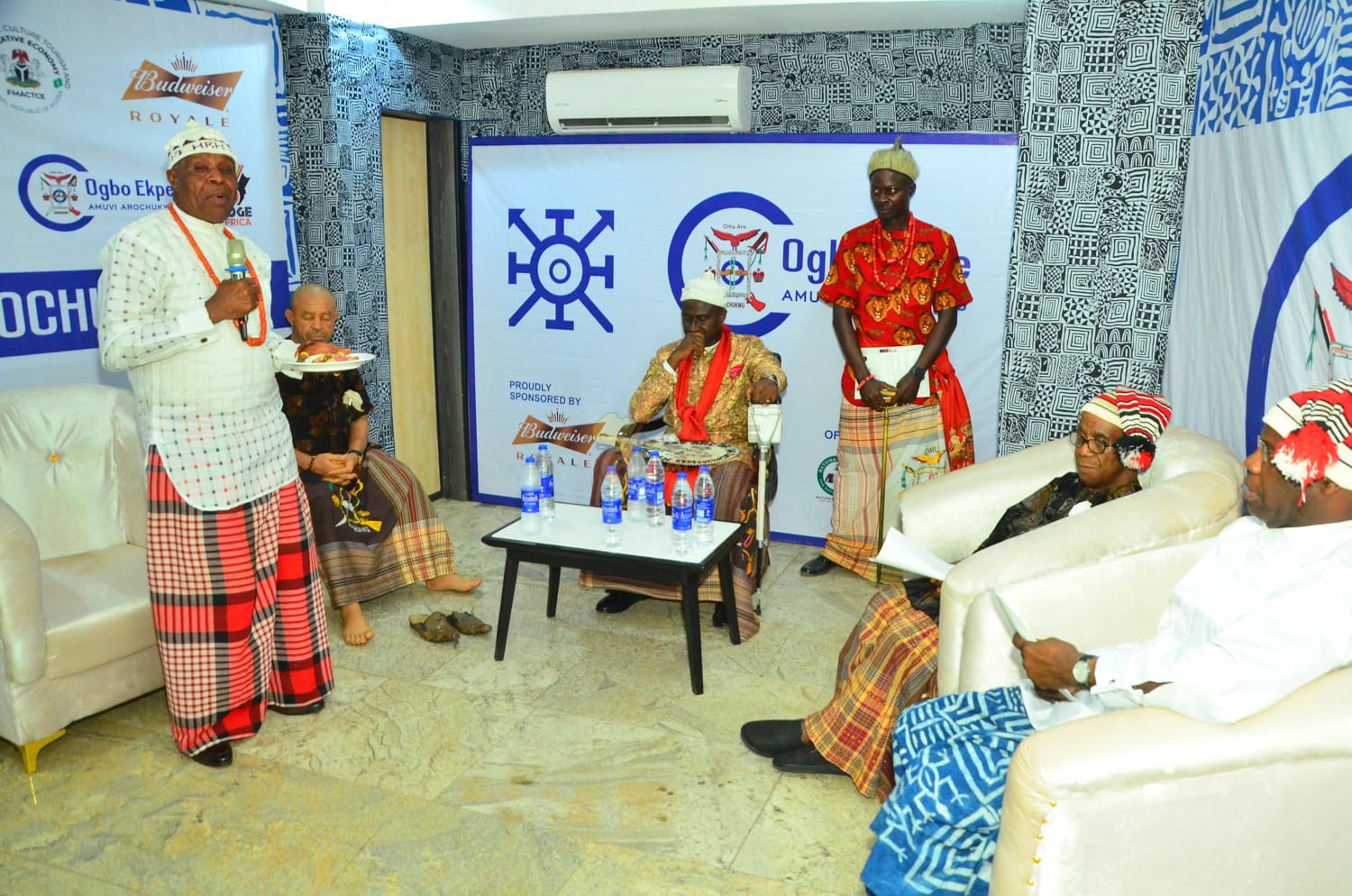
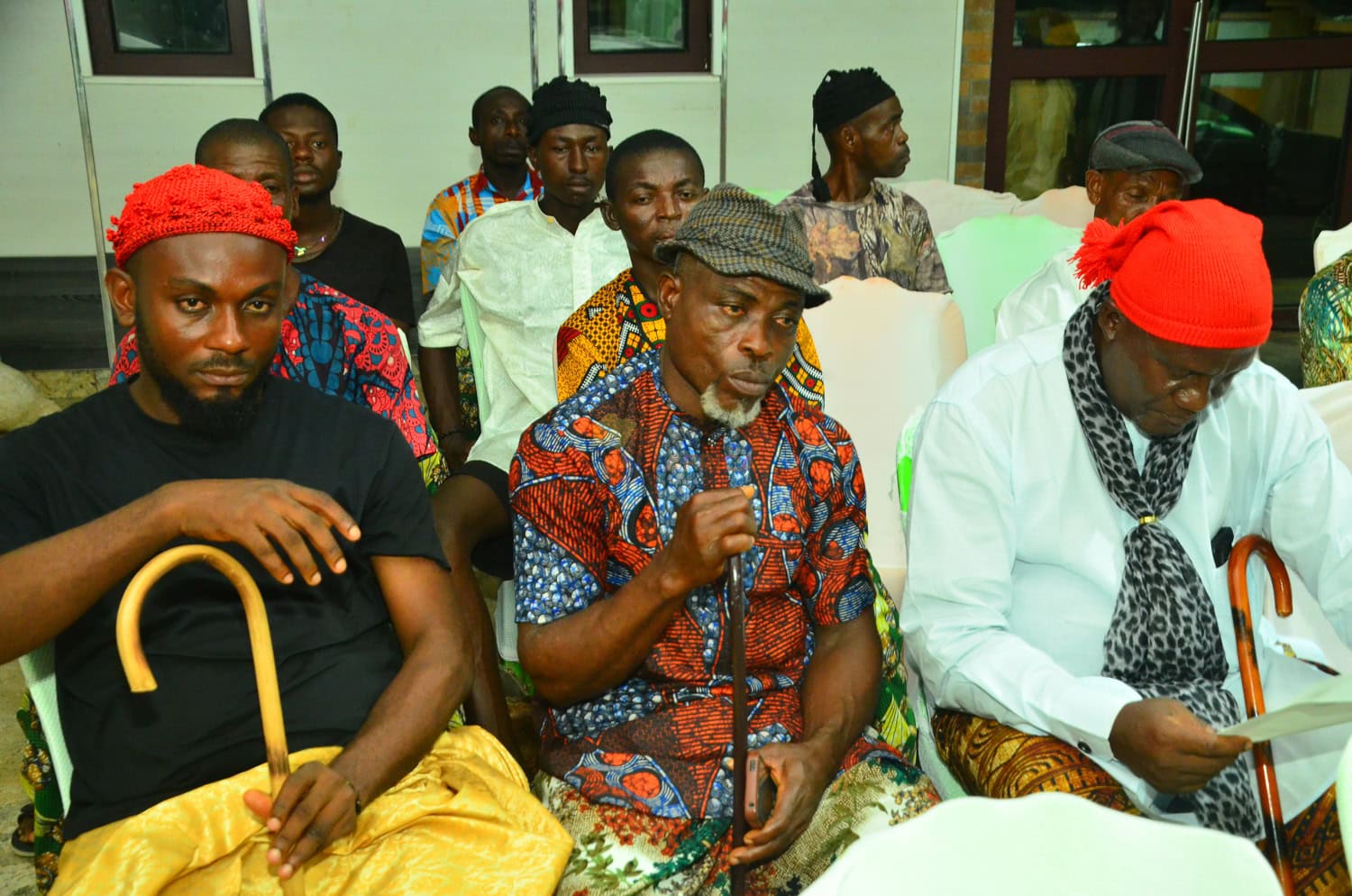
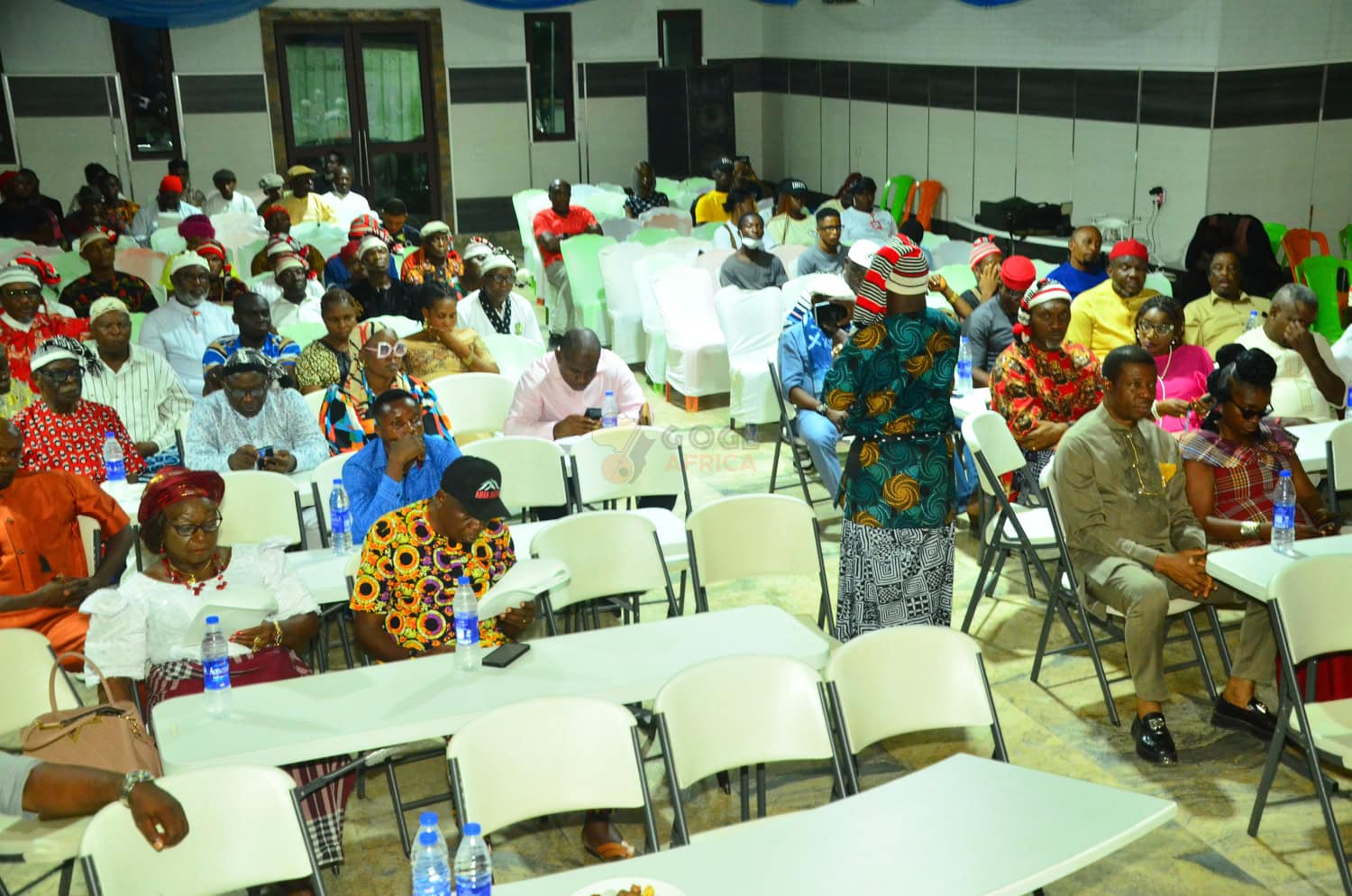
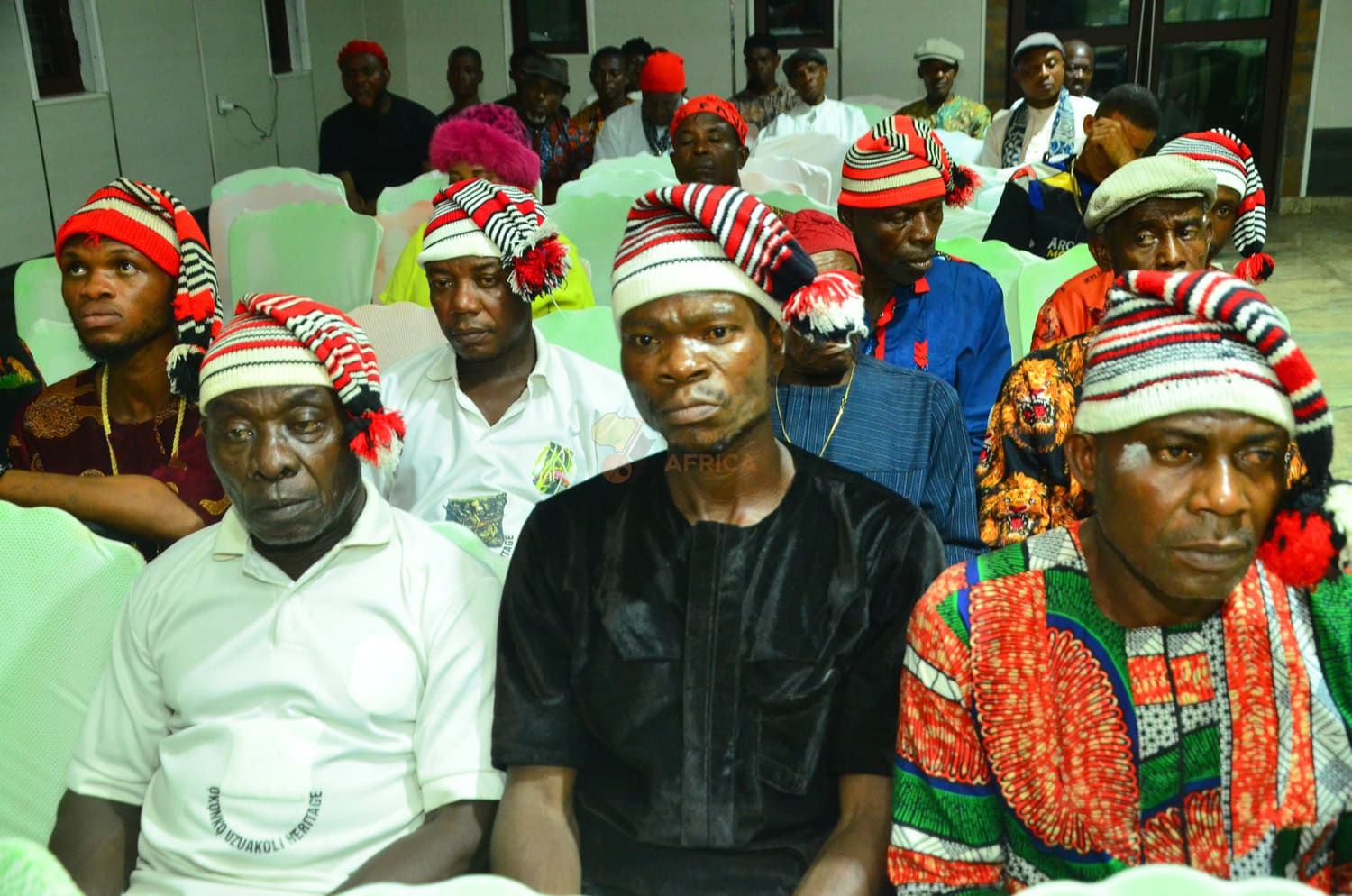
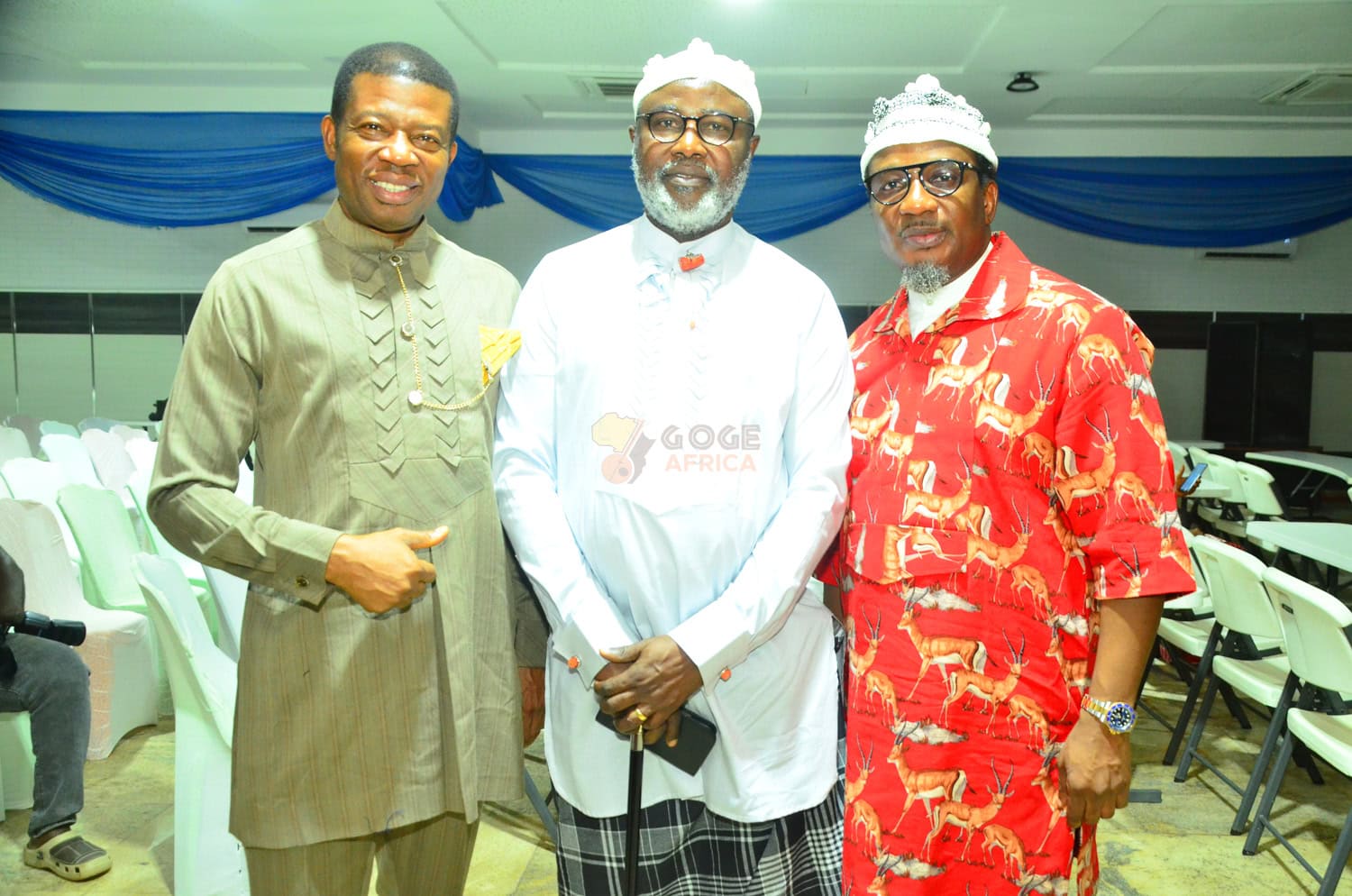





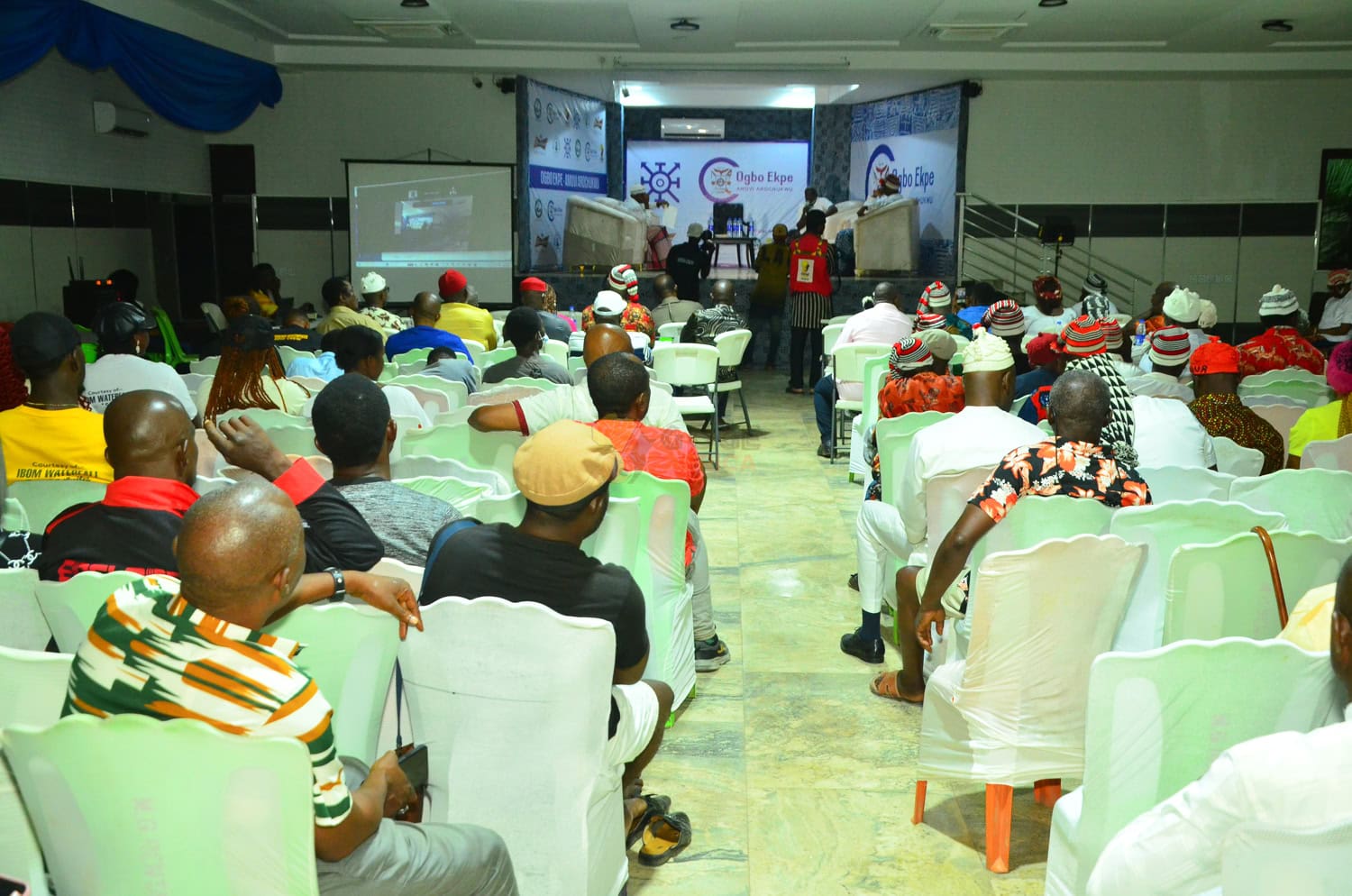
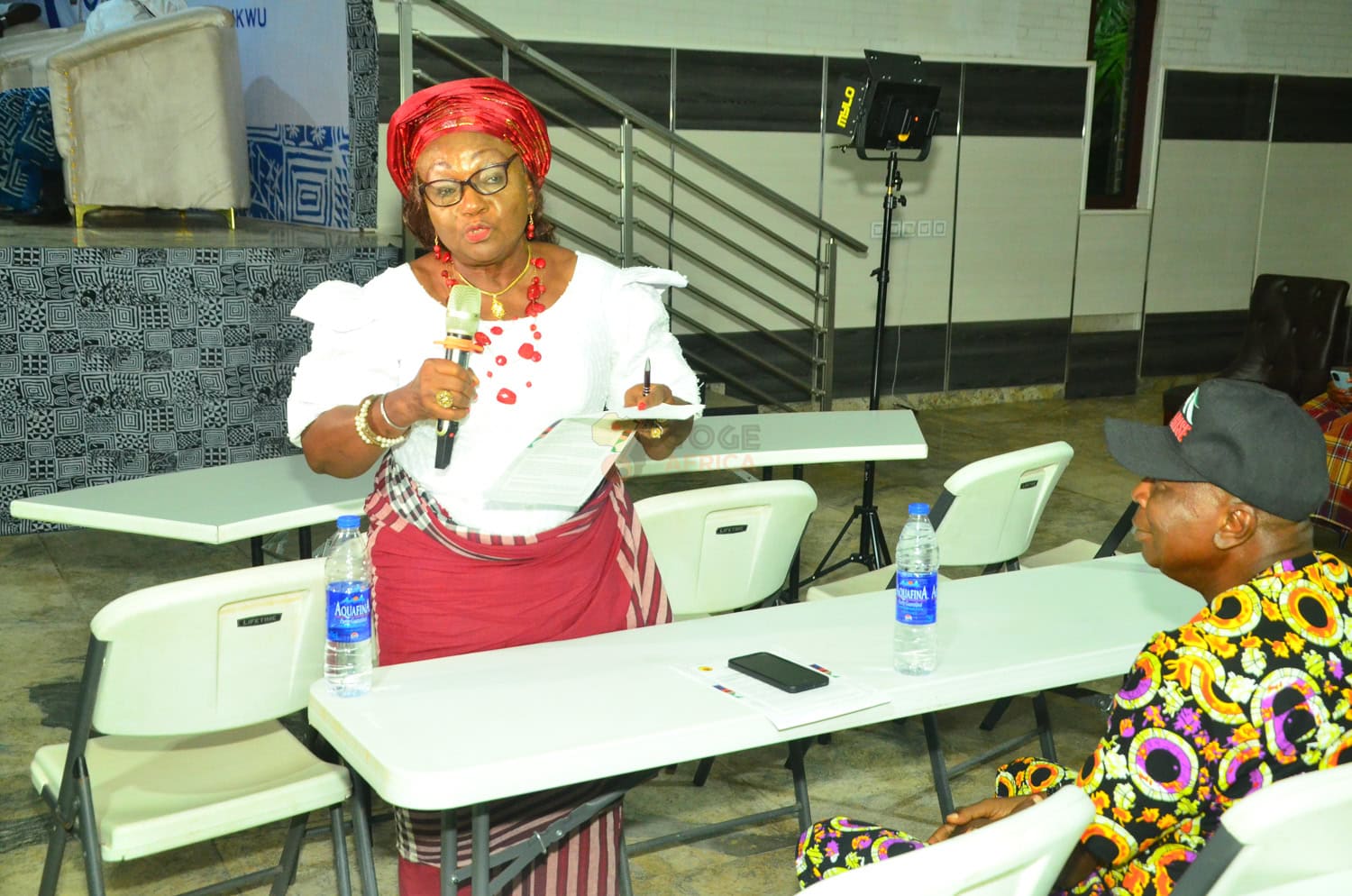


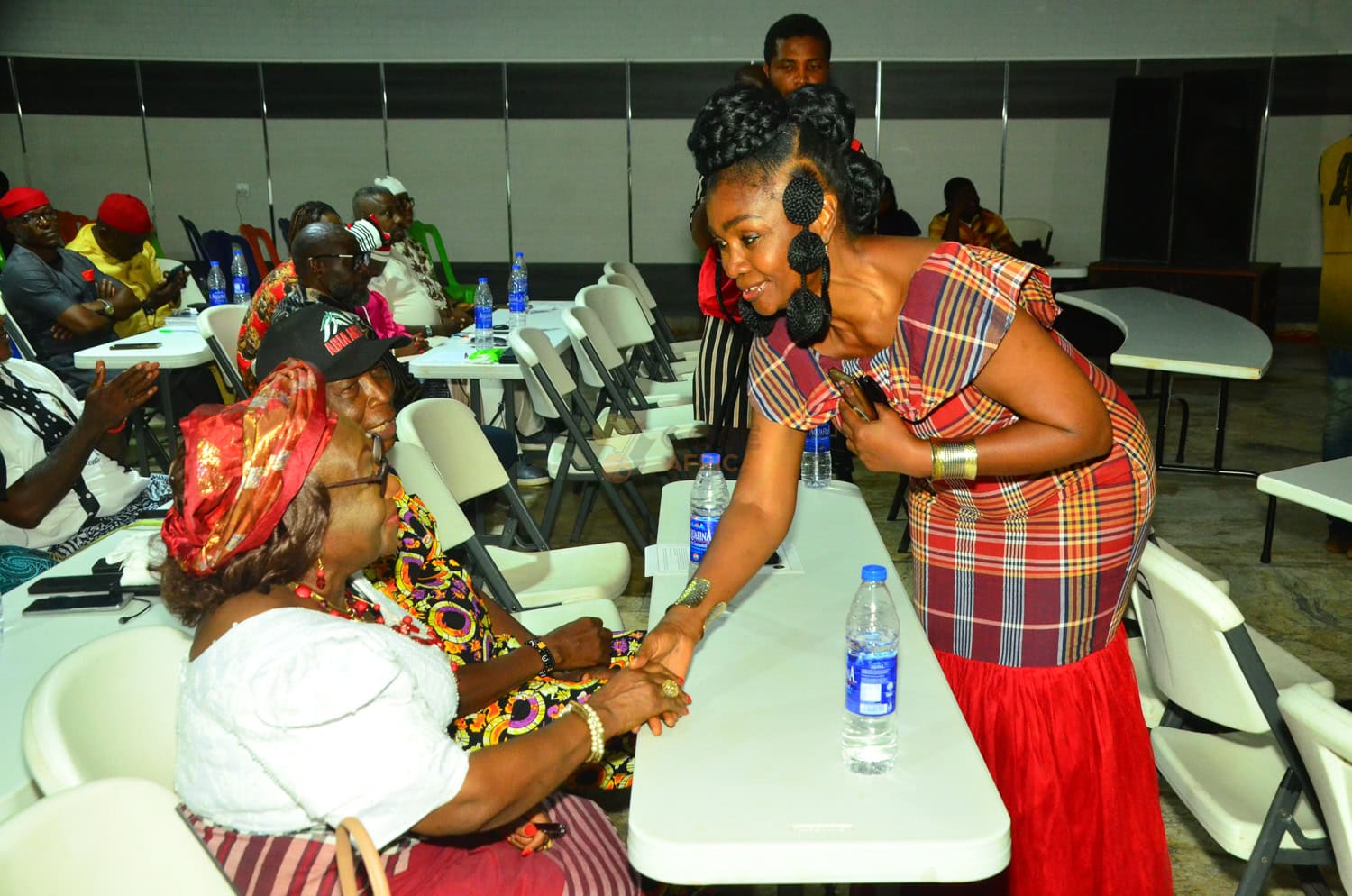
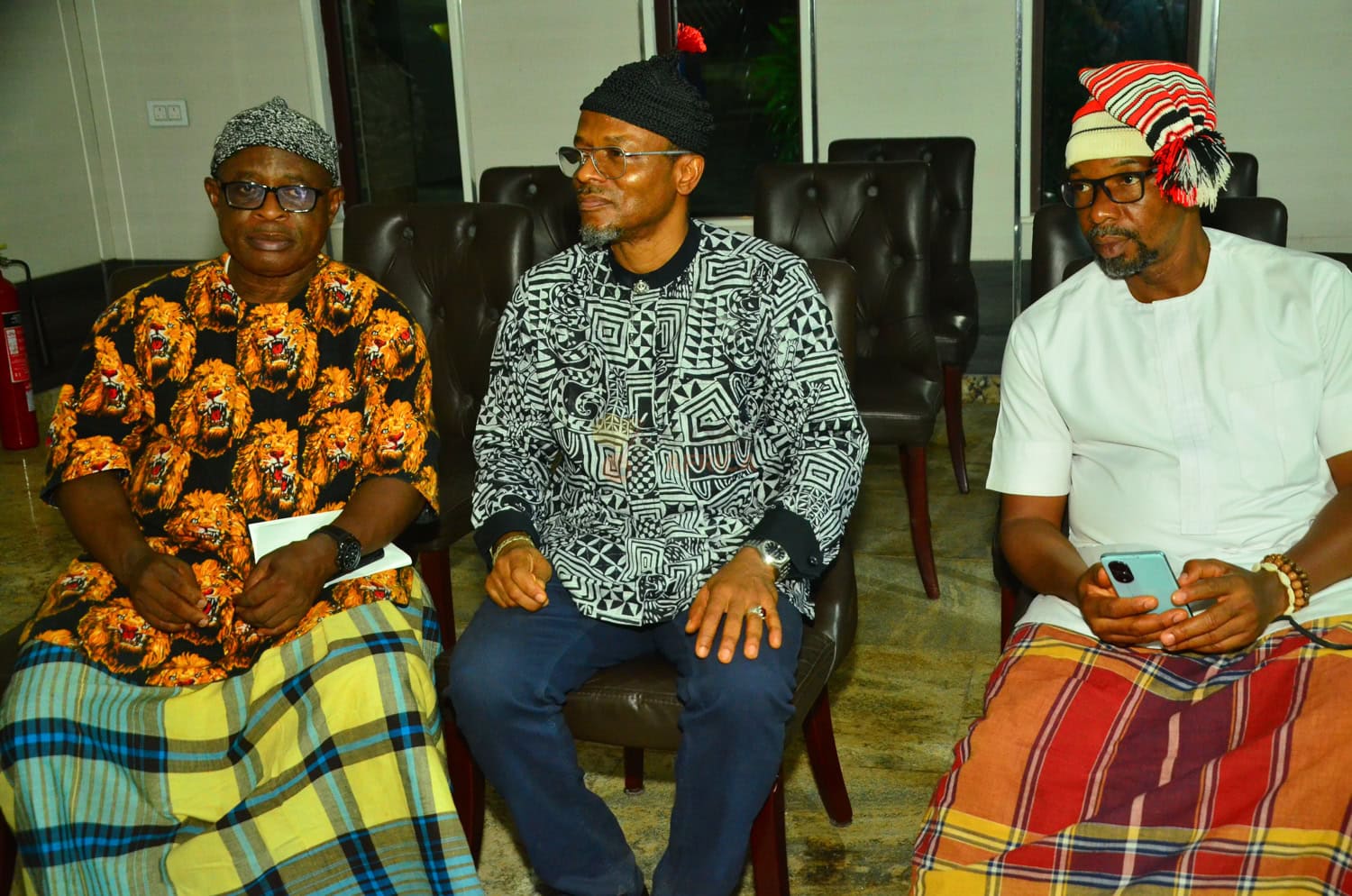
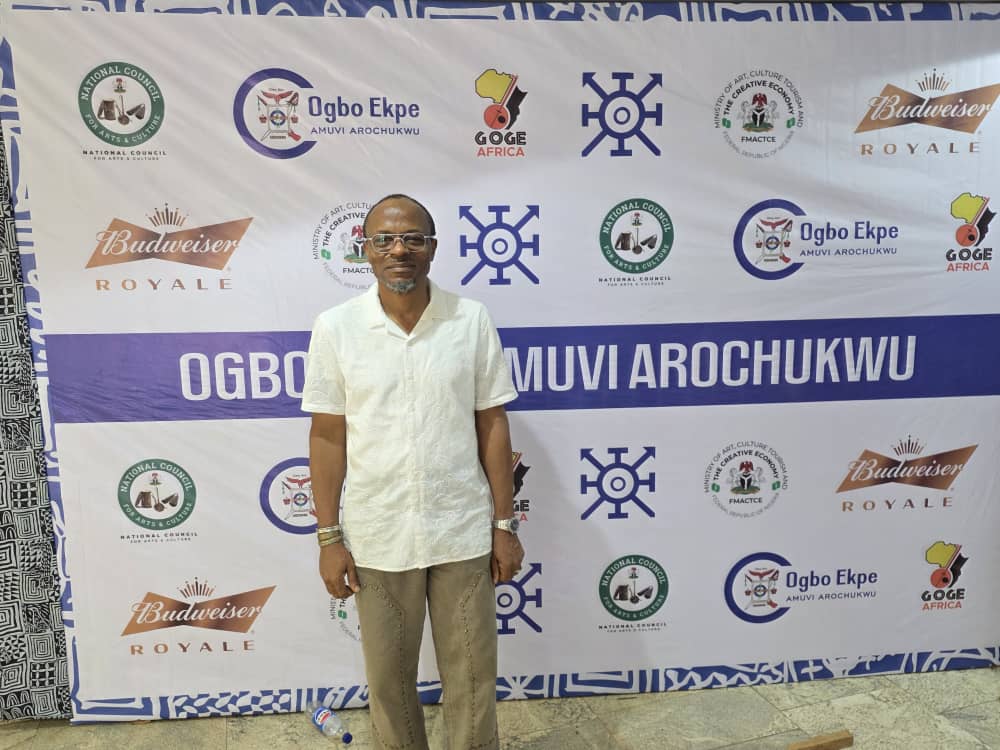

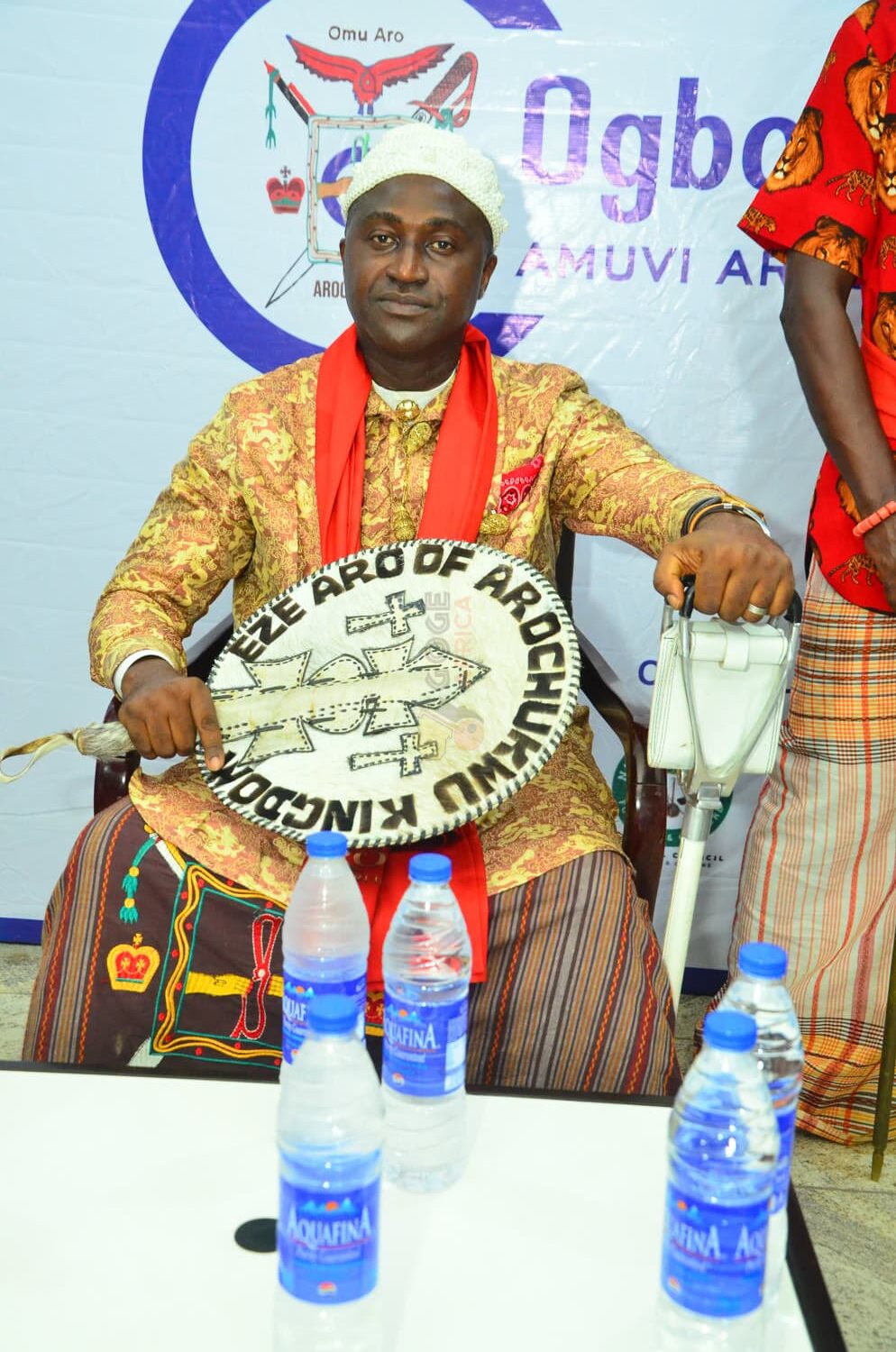
This was not nostalgia. It was context, correction, and continuity.
Visiting Places of Memory and Meaning.
Beyond the symposium, Goge Africa explored key heritage sites that deepen Arochukwu’s appeal as a cultural tourism destination:
* The historic Eze Aro Palace, seat of spiritual and cultural authority
* Avia Nkwo market, an economic space shaped by tradition
* The historic house cum museum of Mazi Okoroji, offering insight into history, heritage and legacy 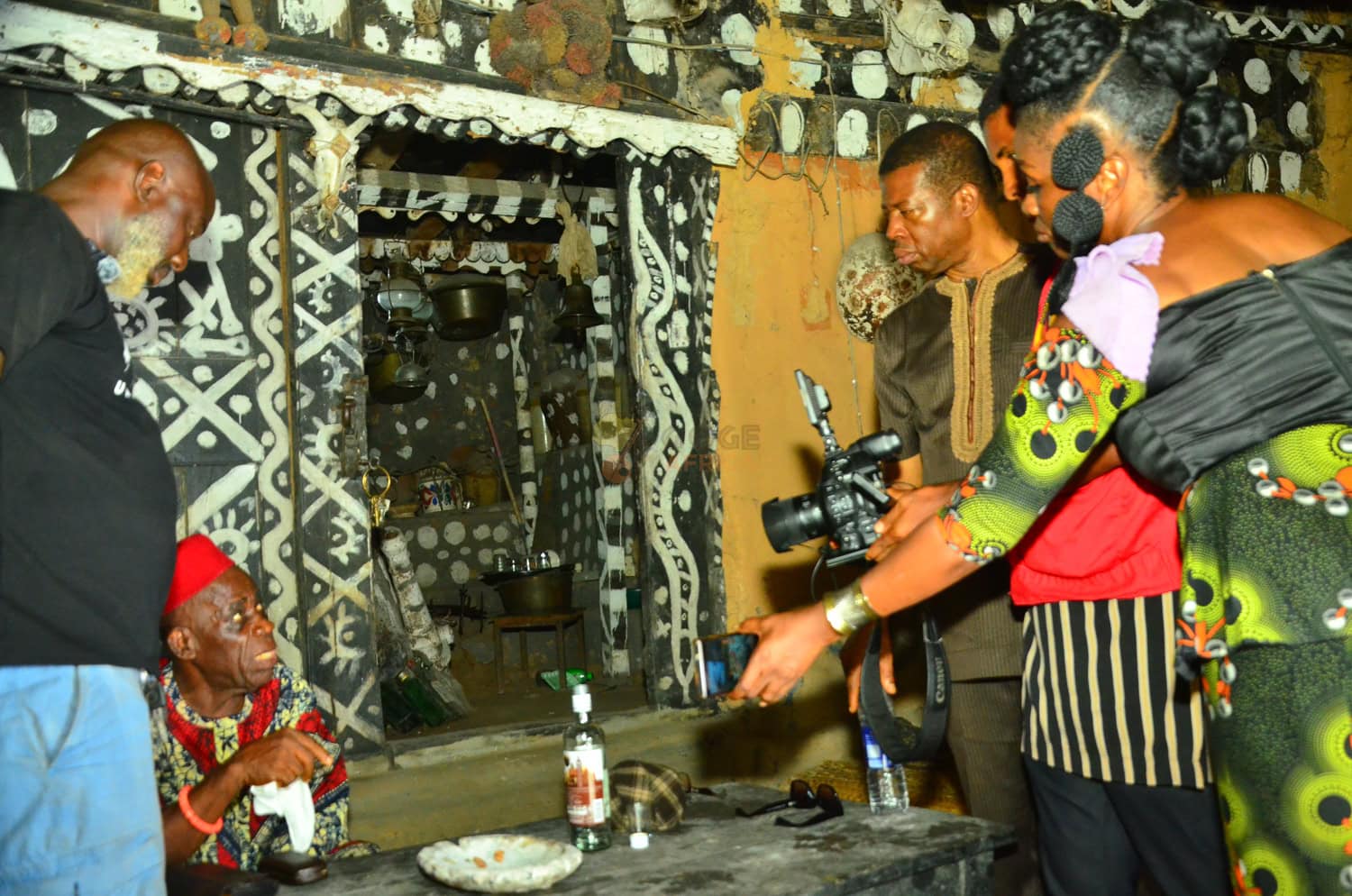
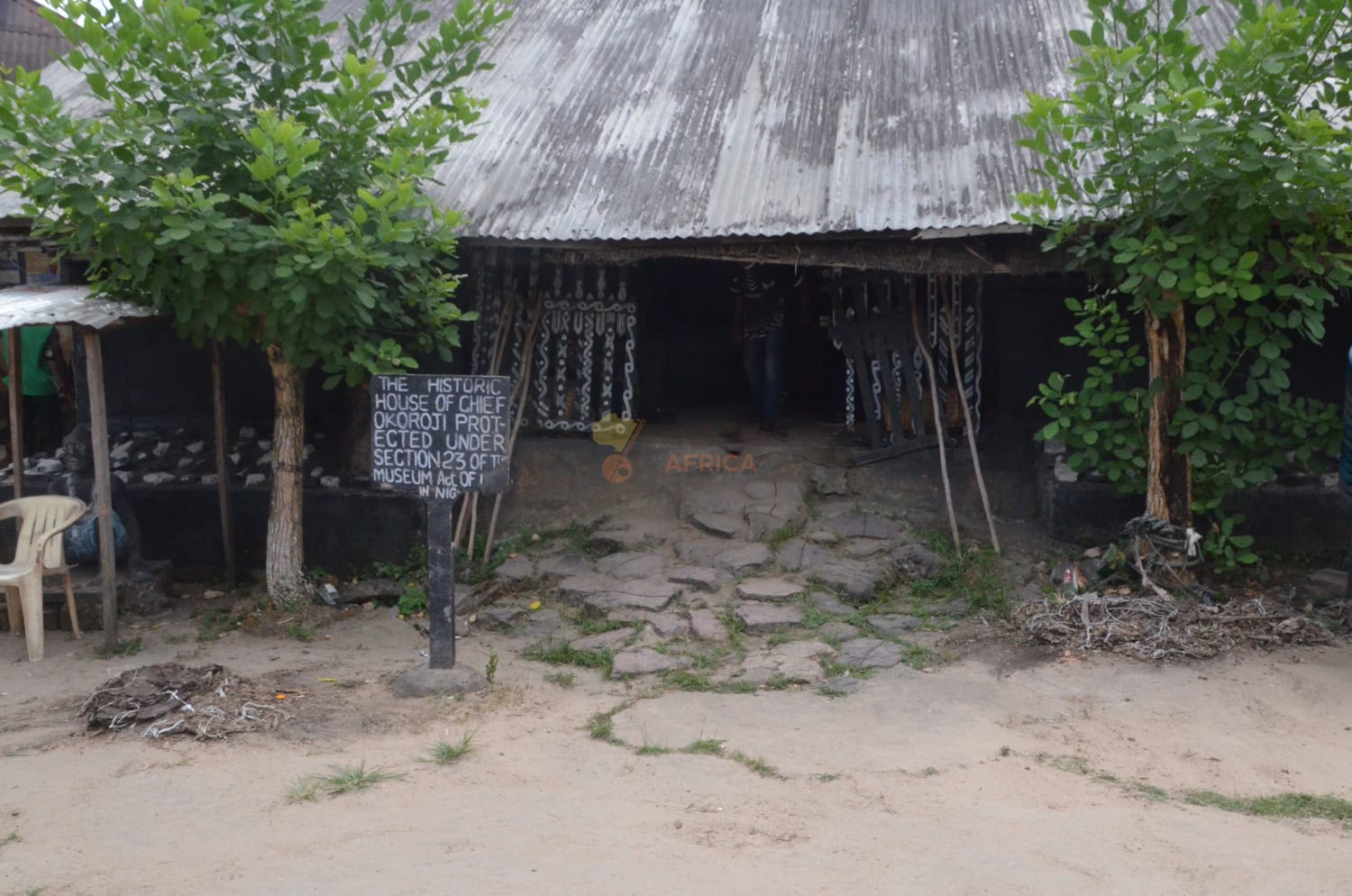
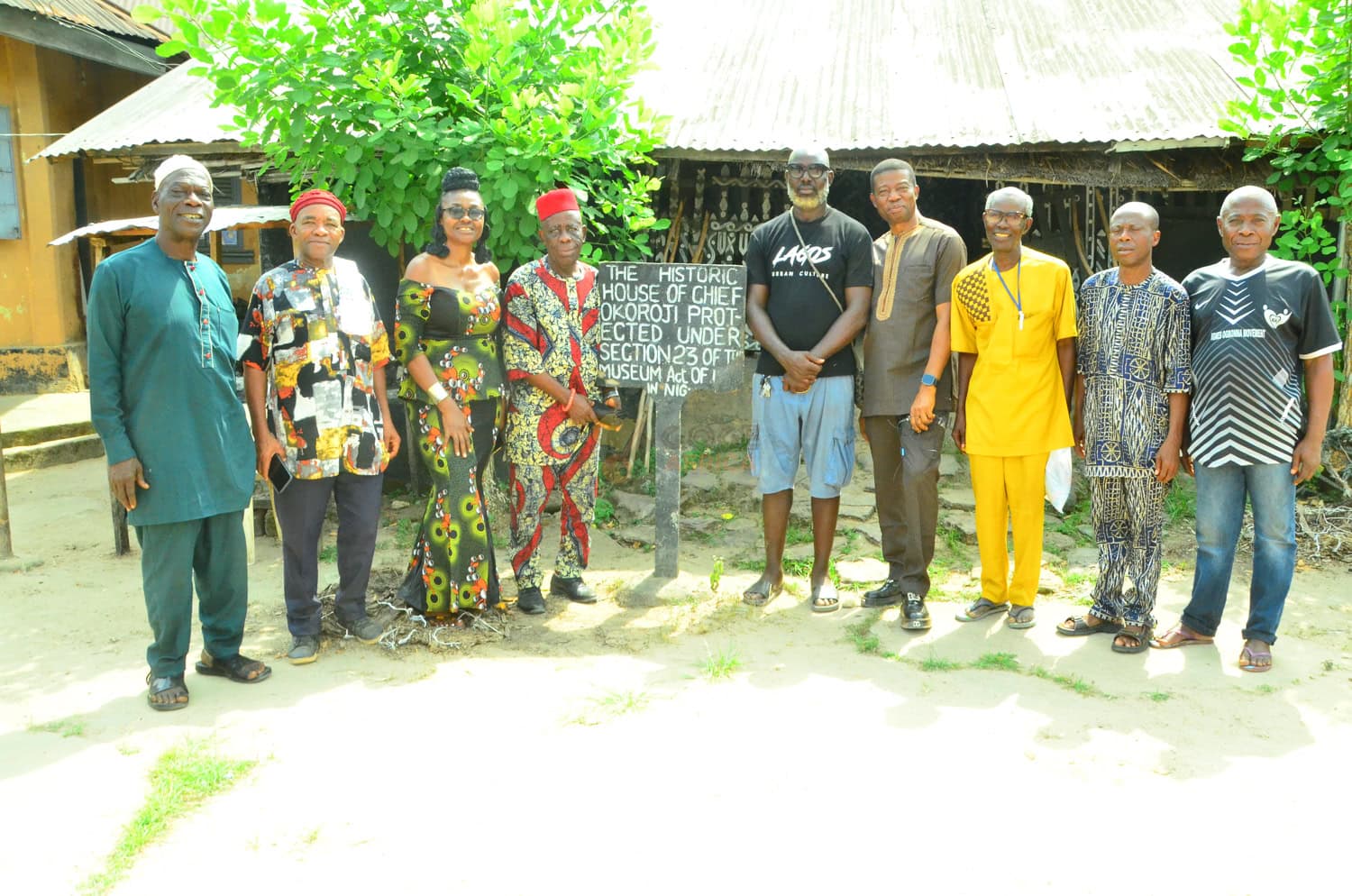
* Forest paths, slave trade route, waterfalls, and natural sites where nature and spirituality intersect.
Each location reinforced a consistent narrative: structure, not chaos; order, not disorder.
The Ogbo Ekpe Amuvi-Arochukwu: Discipline on Display
The Ekpe festival itself was a powerful lesson in discipline.
The event was meticulously organized:
* Spraying of money on masquerades was prohibited
* Spectators remained seated throughout
* The arena was sacred, reserved strictly for procession and performance
* Activities followed a structured roll call by the Master of Ceremony.
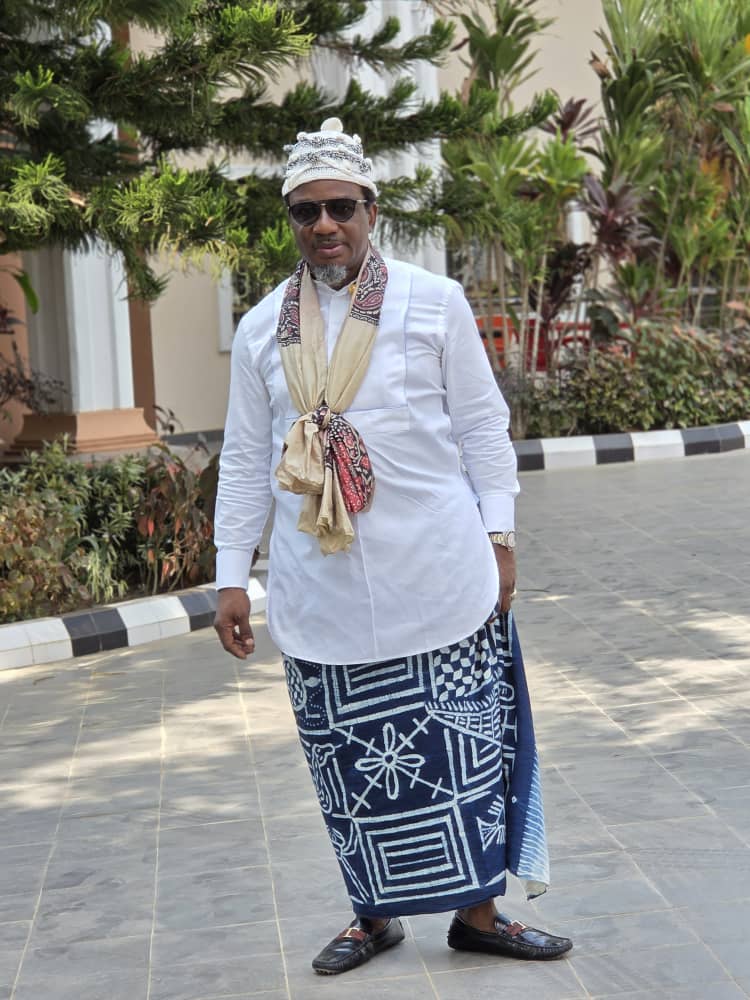
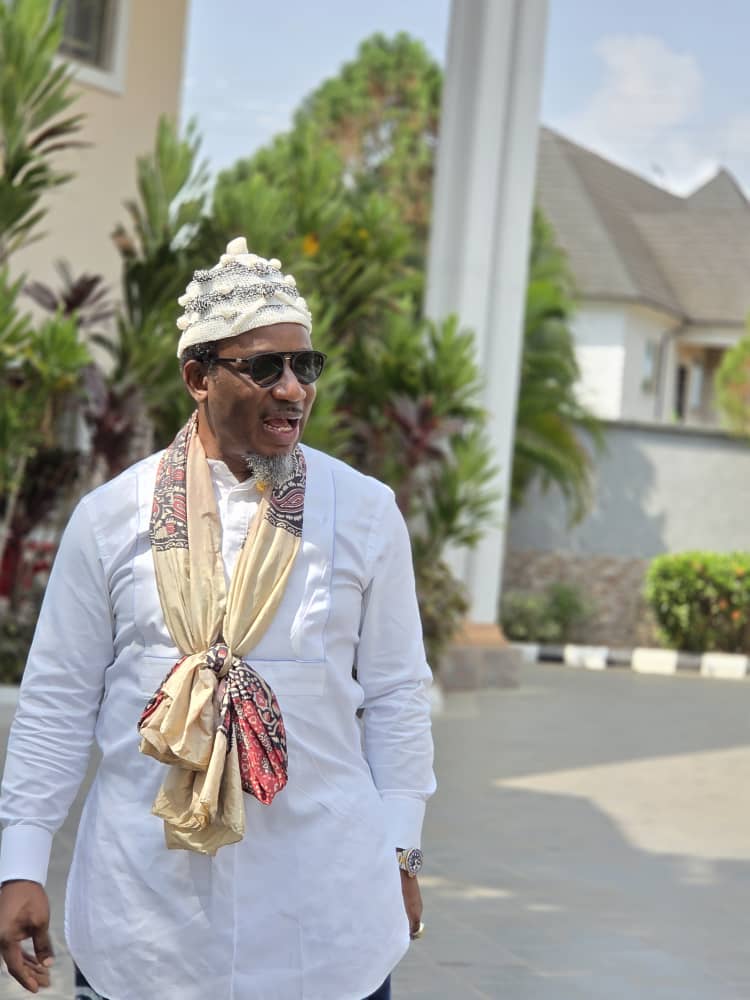
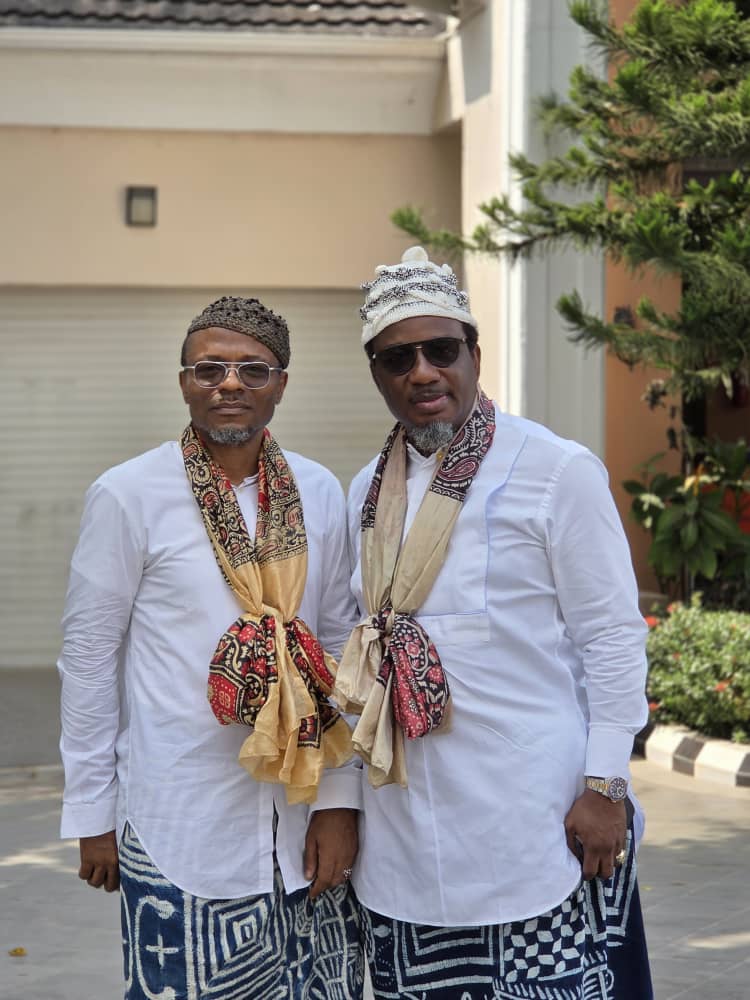
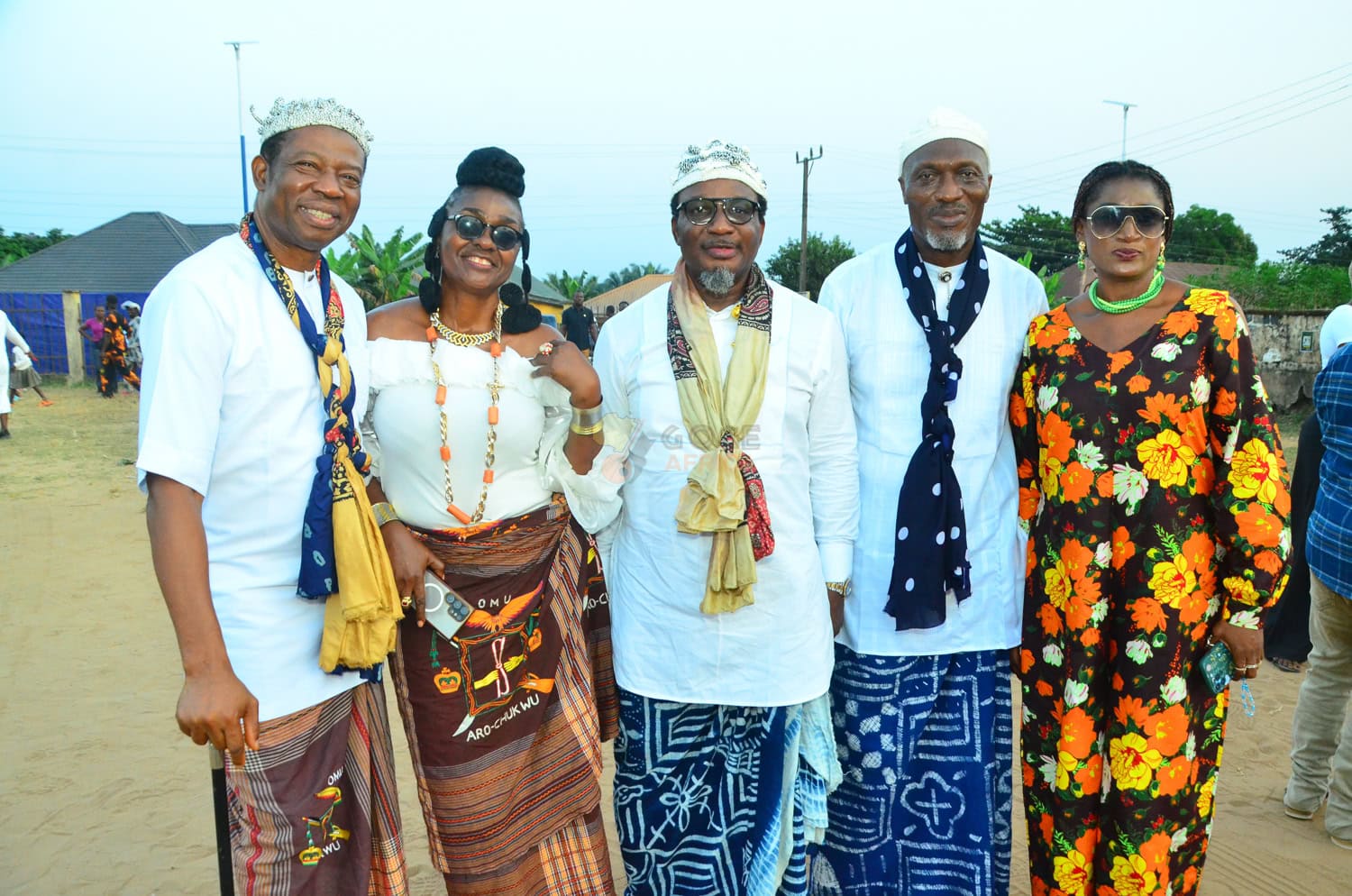
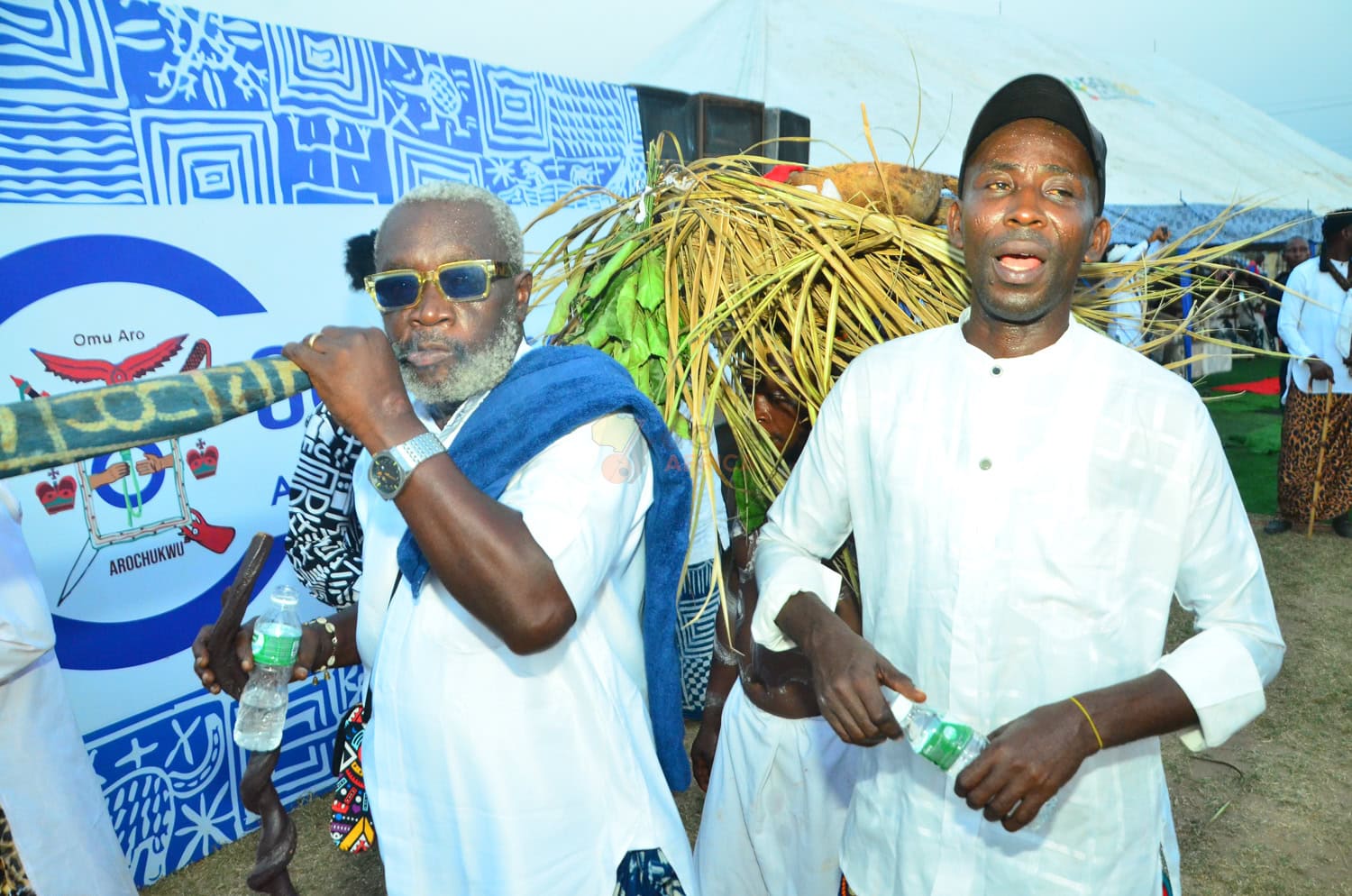
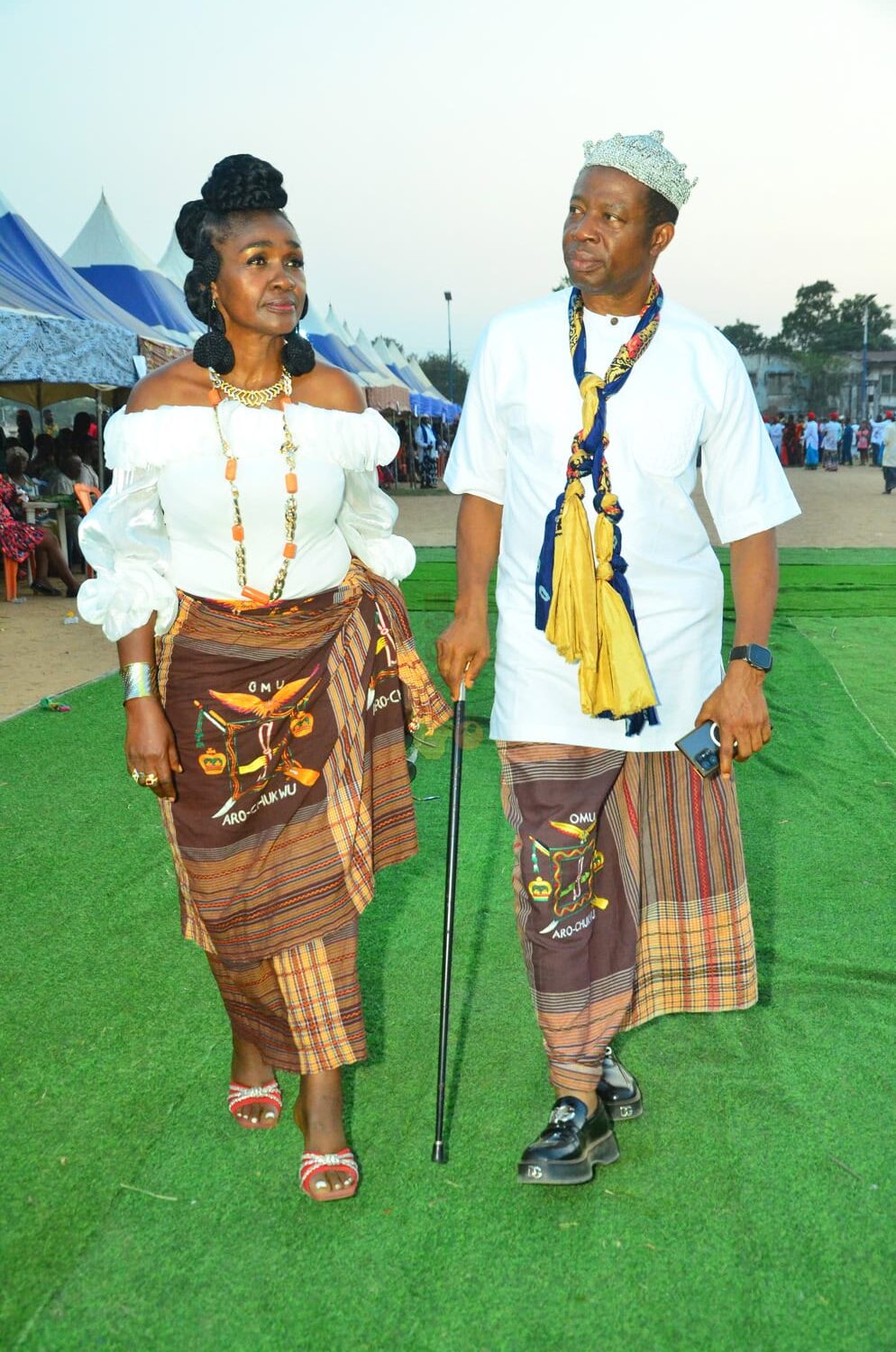
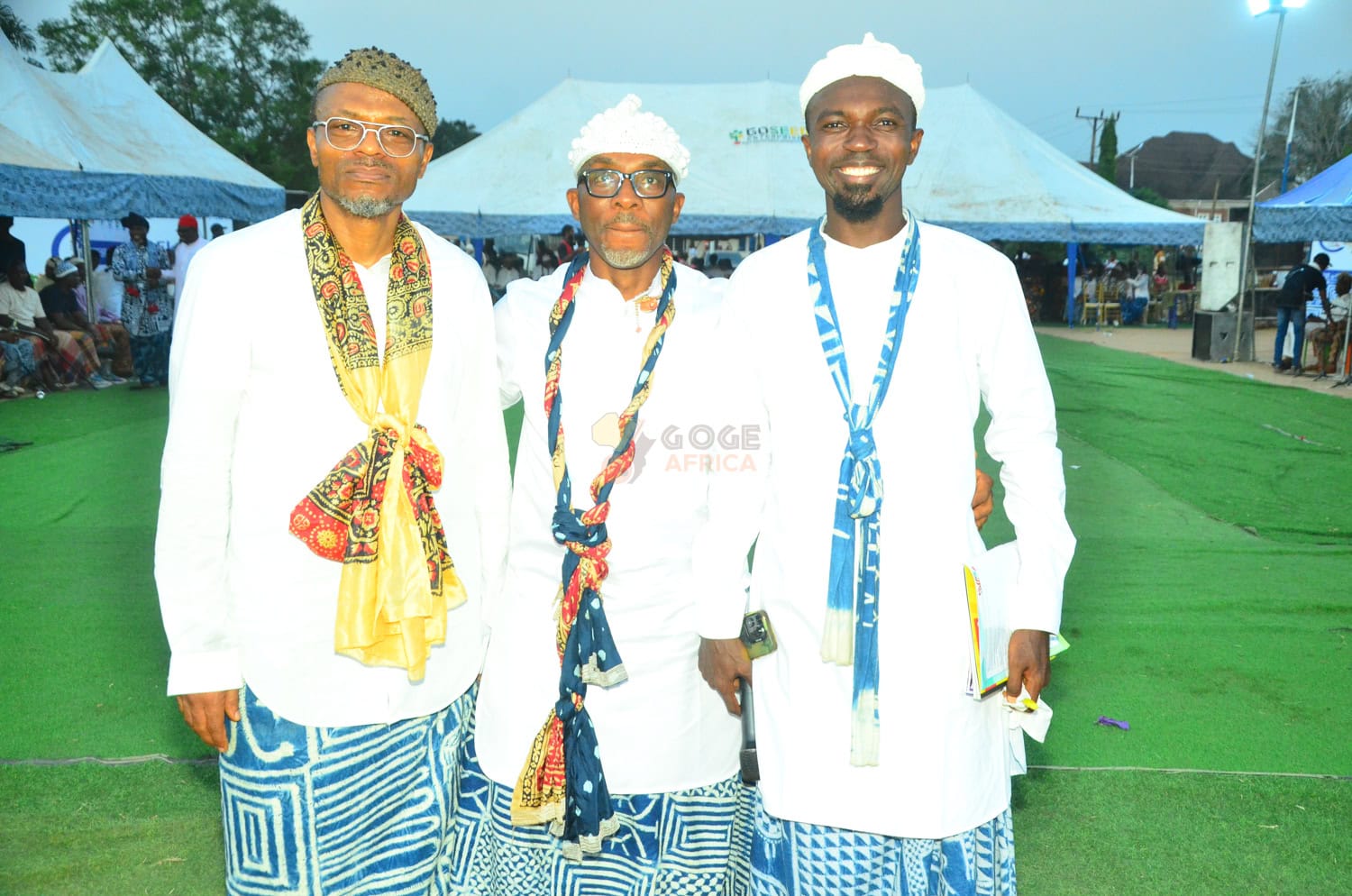
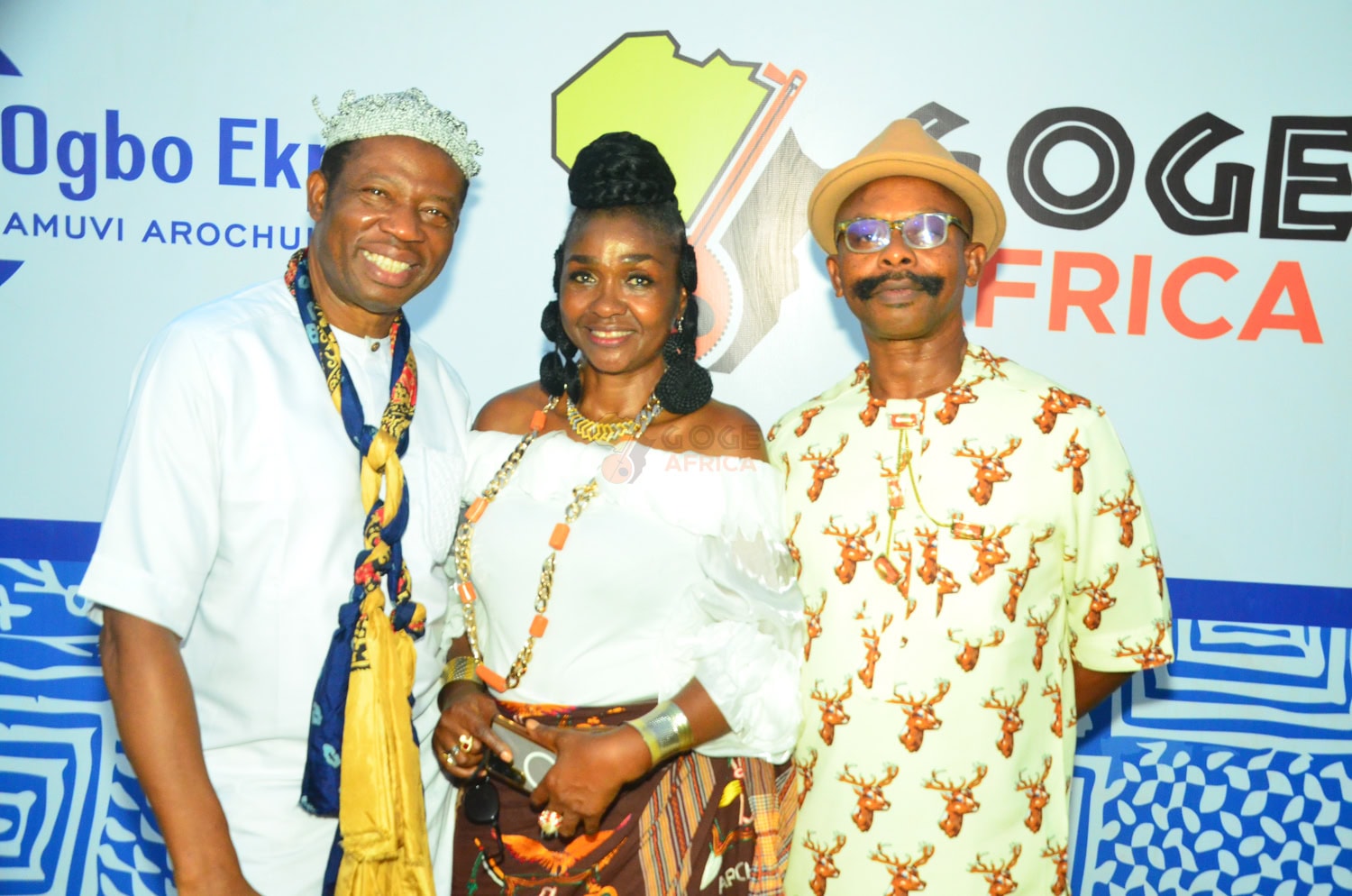
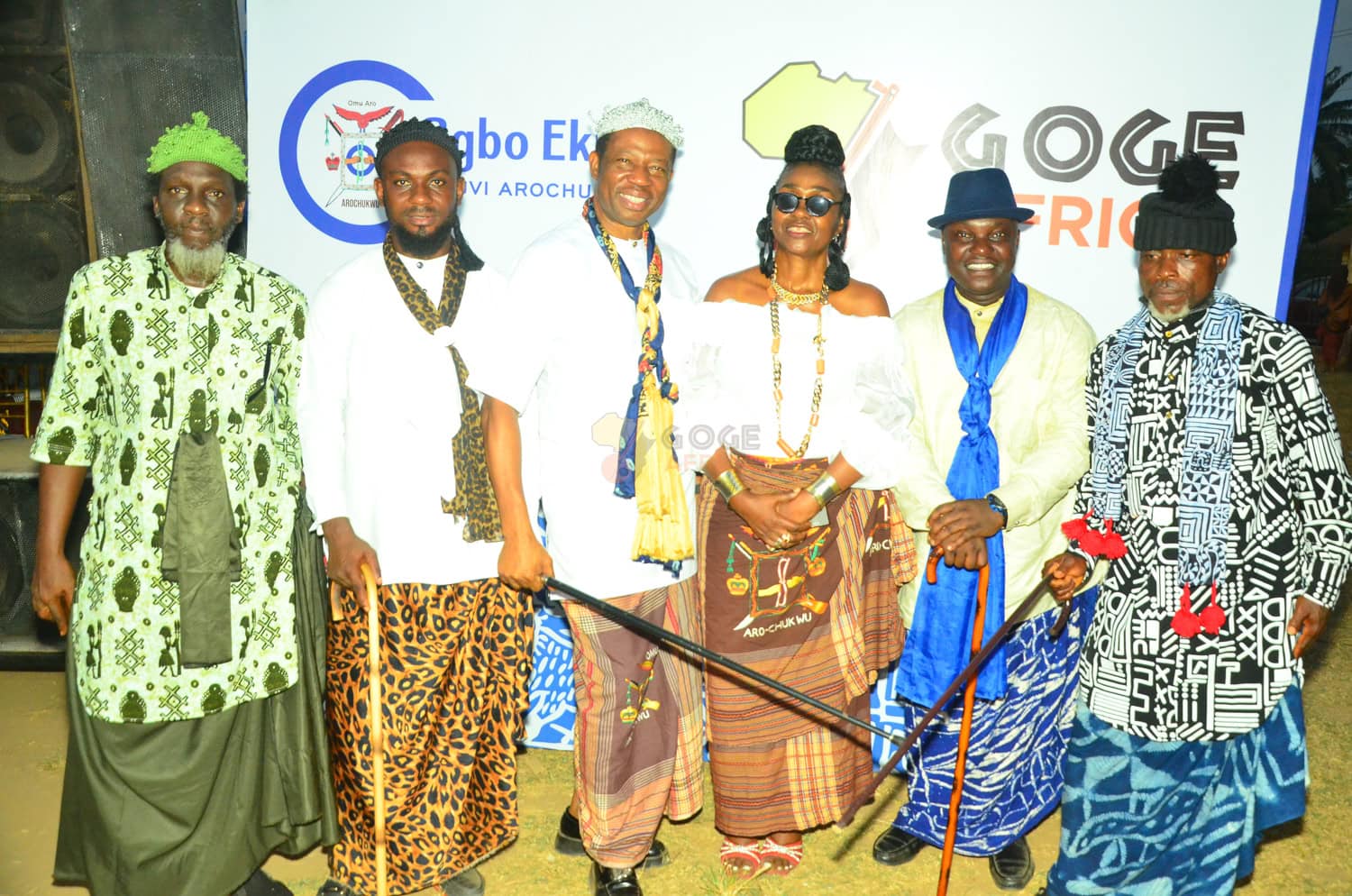
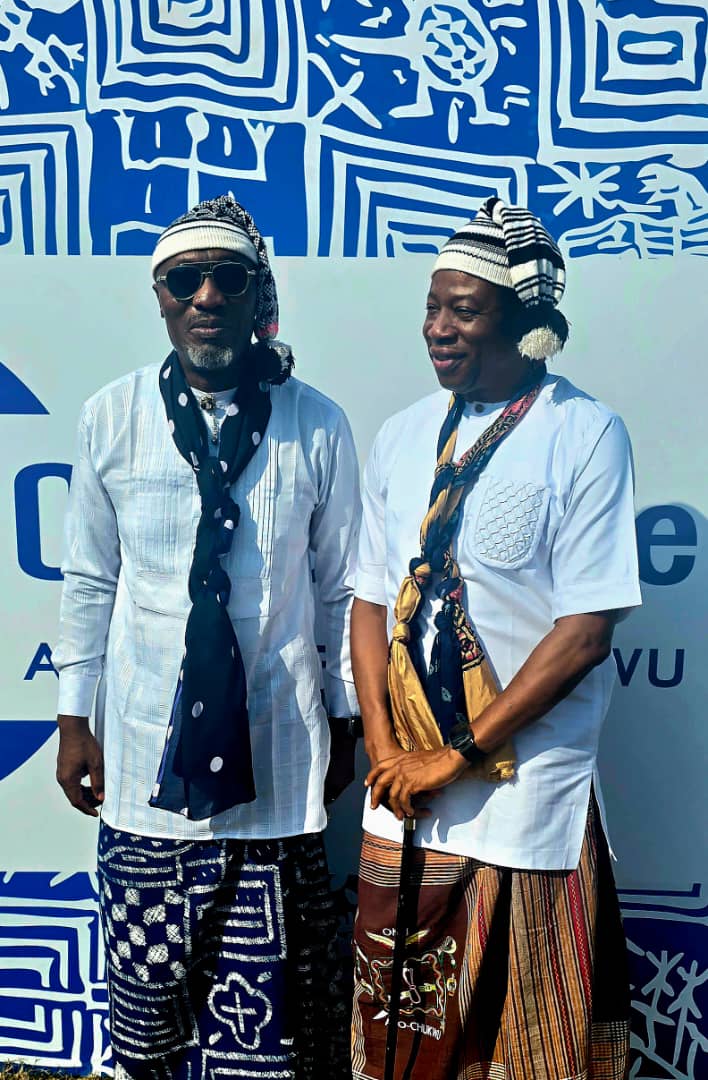
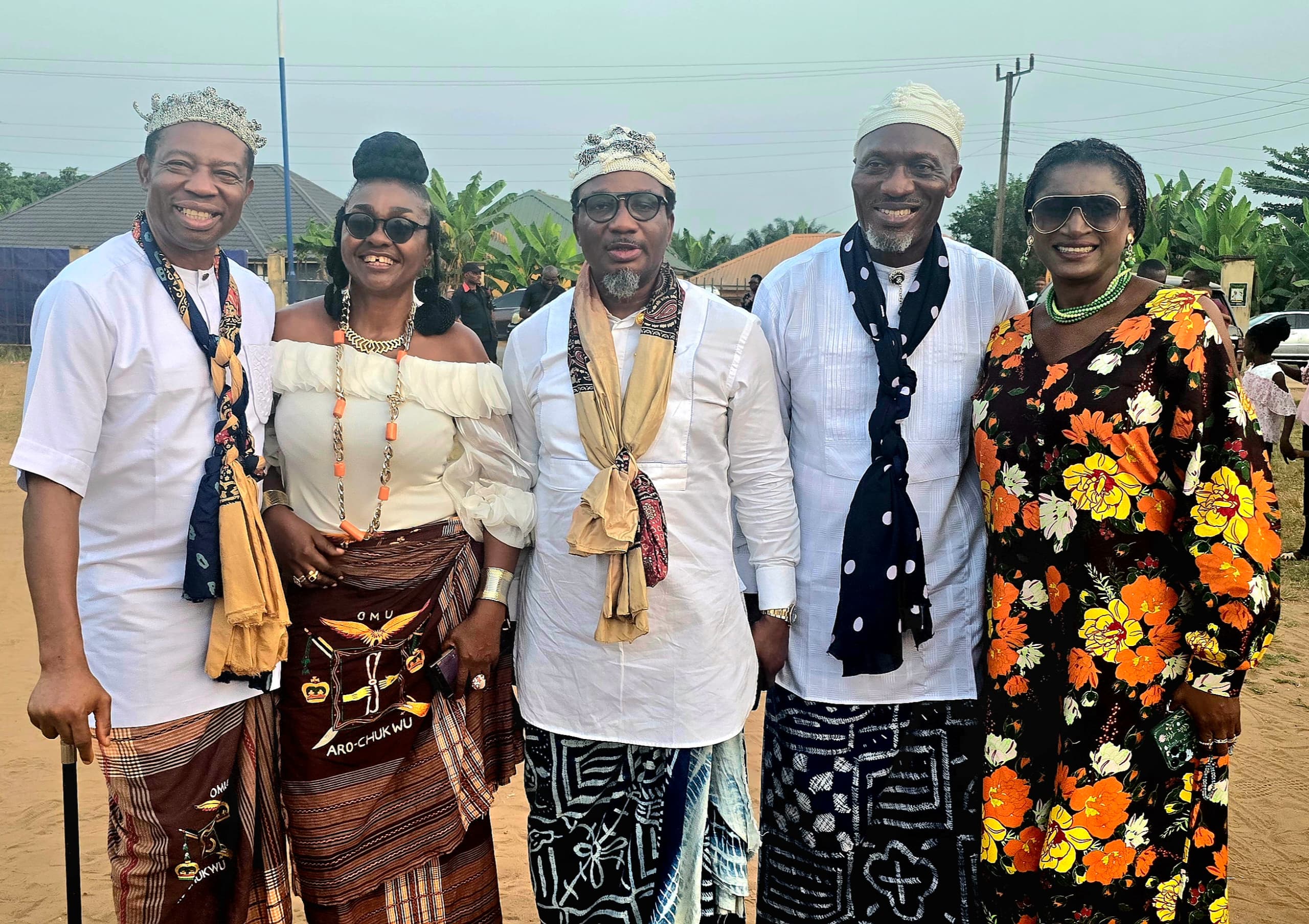
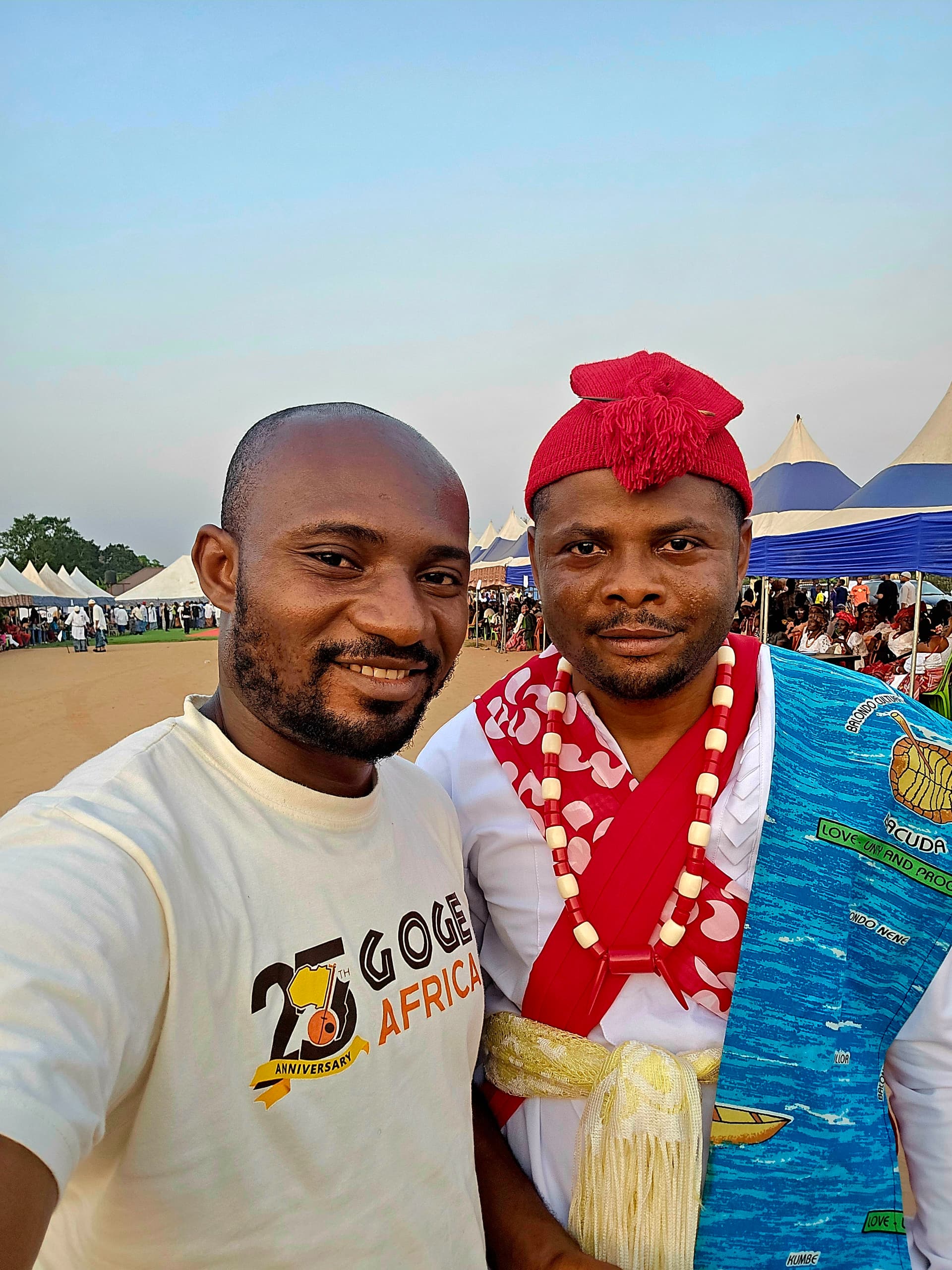
Even participation had boundaries. Although we dressed in Aro-inspired attire, we observed that Ekpe greetings are specific and reserved for initiates. Out of respect, a handshake was offered—an acknowledgment that cultural appreciation does not require intrusion.
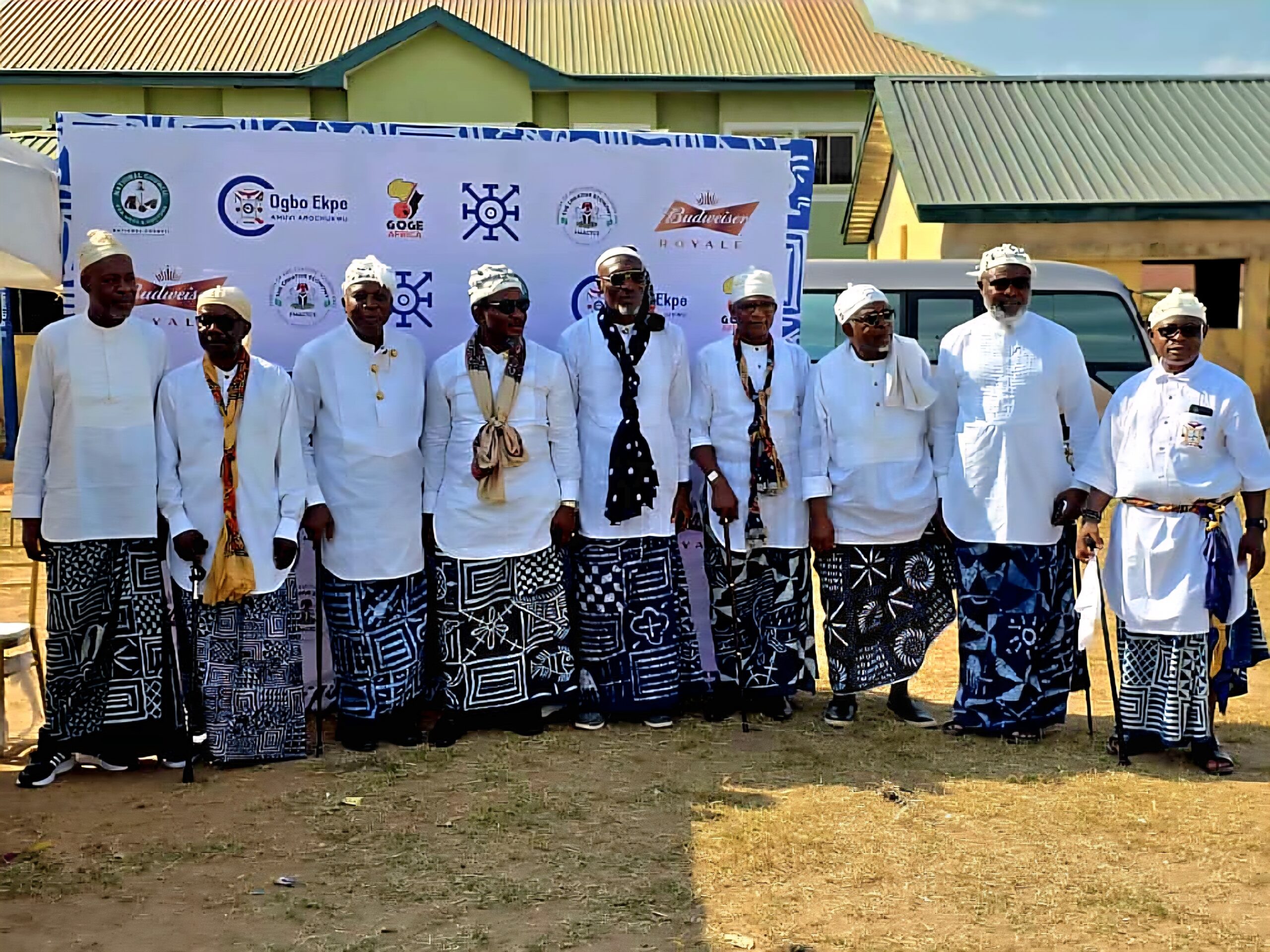
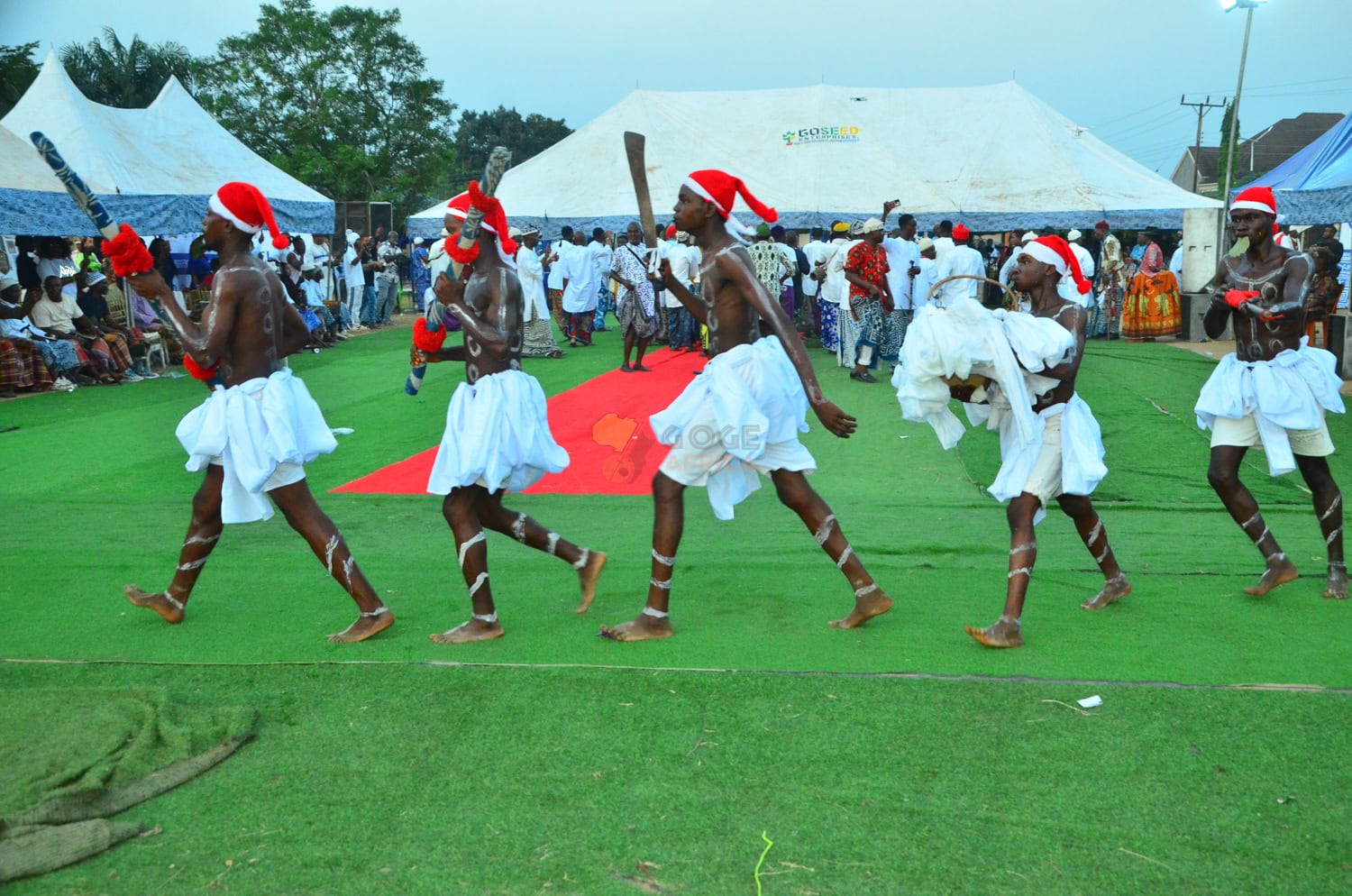
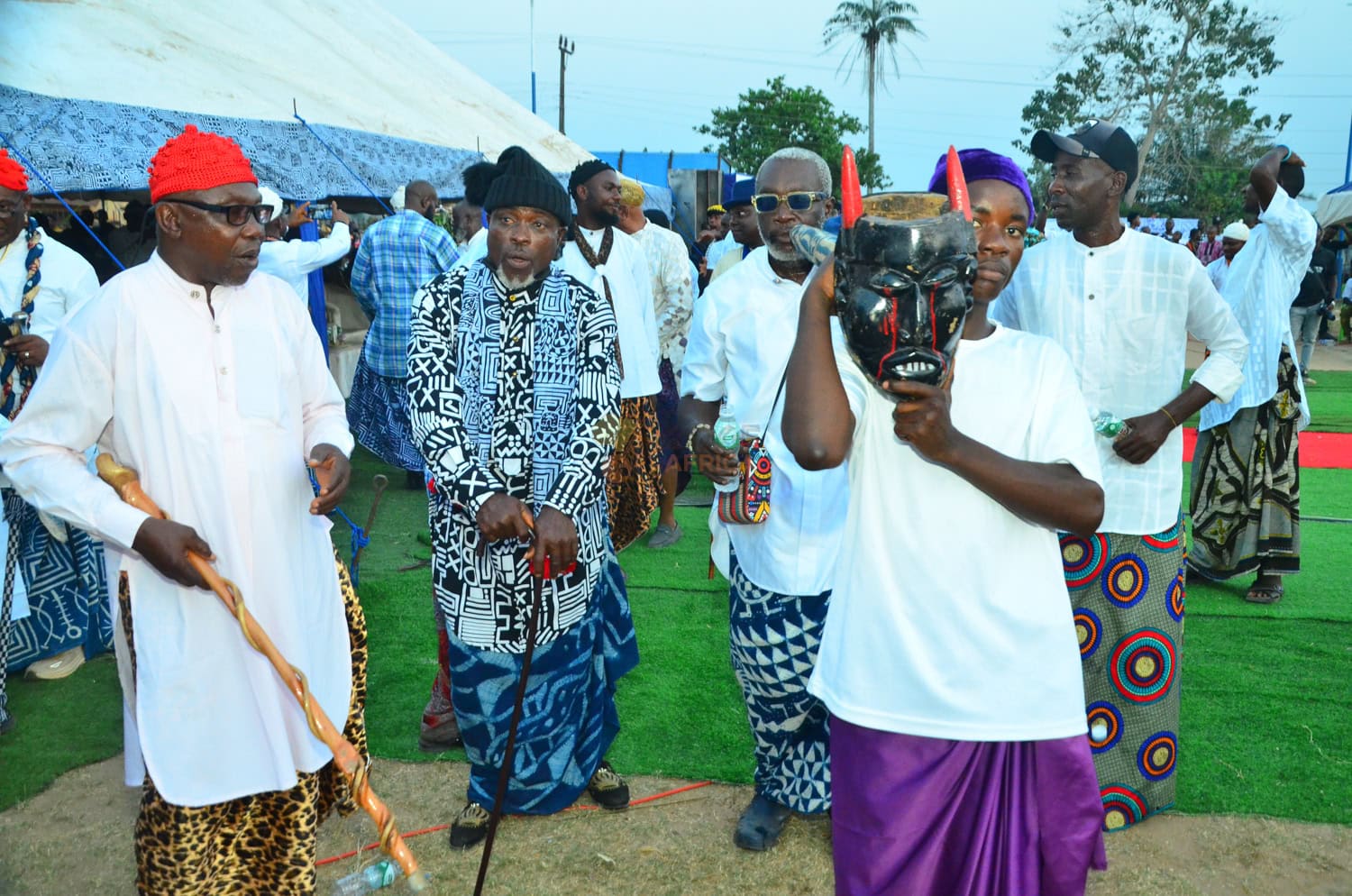
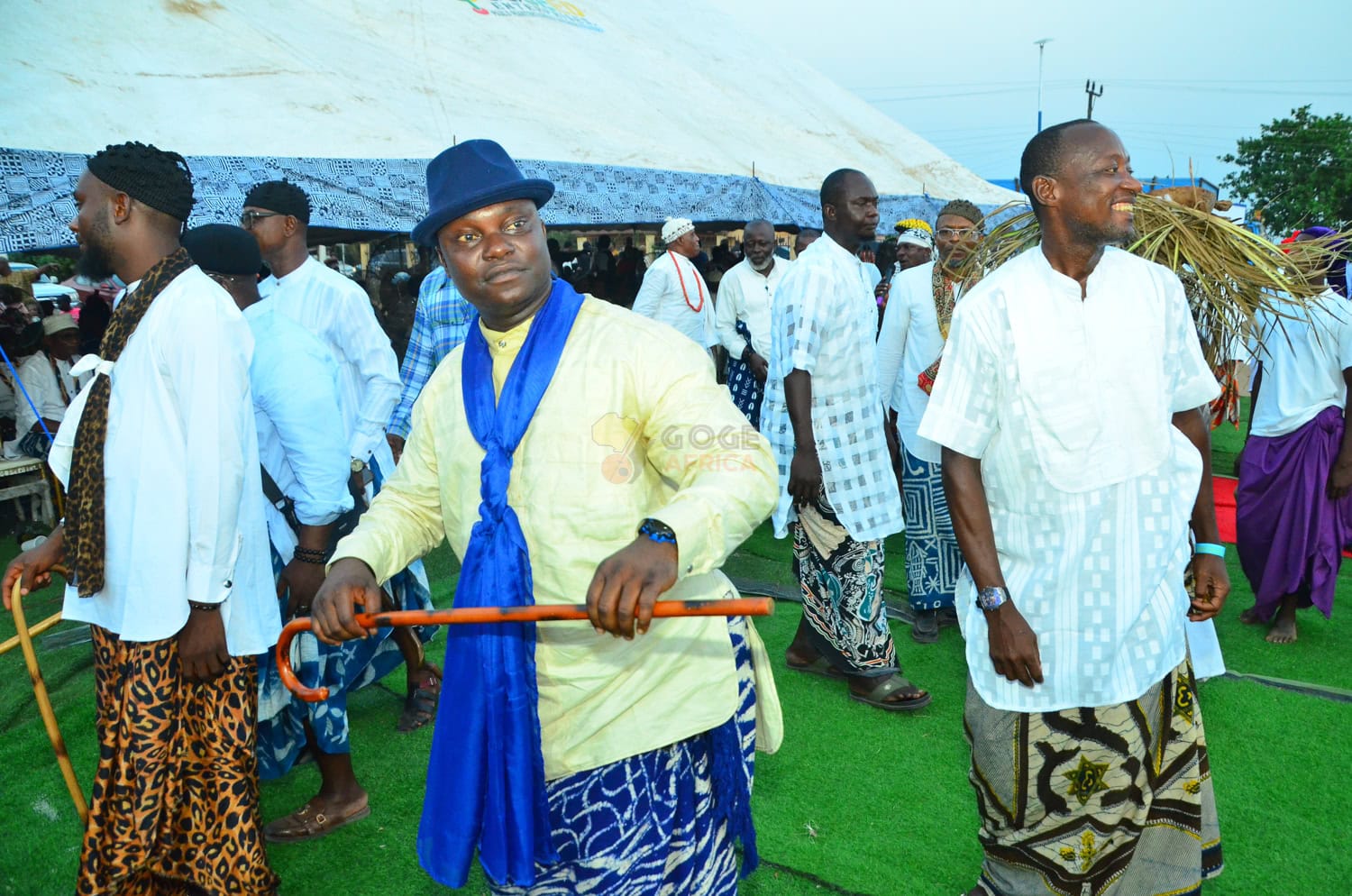
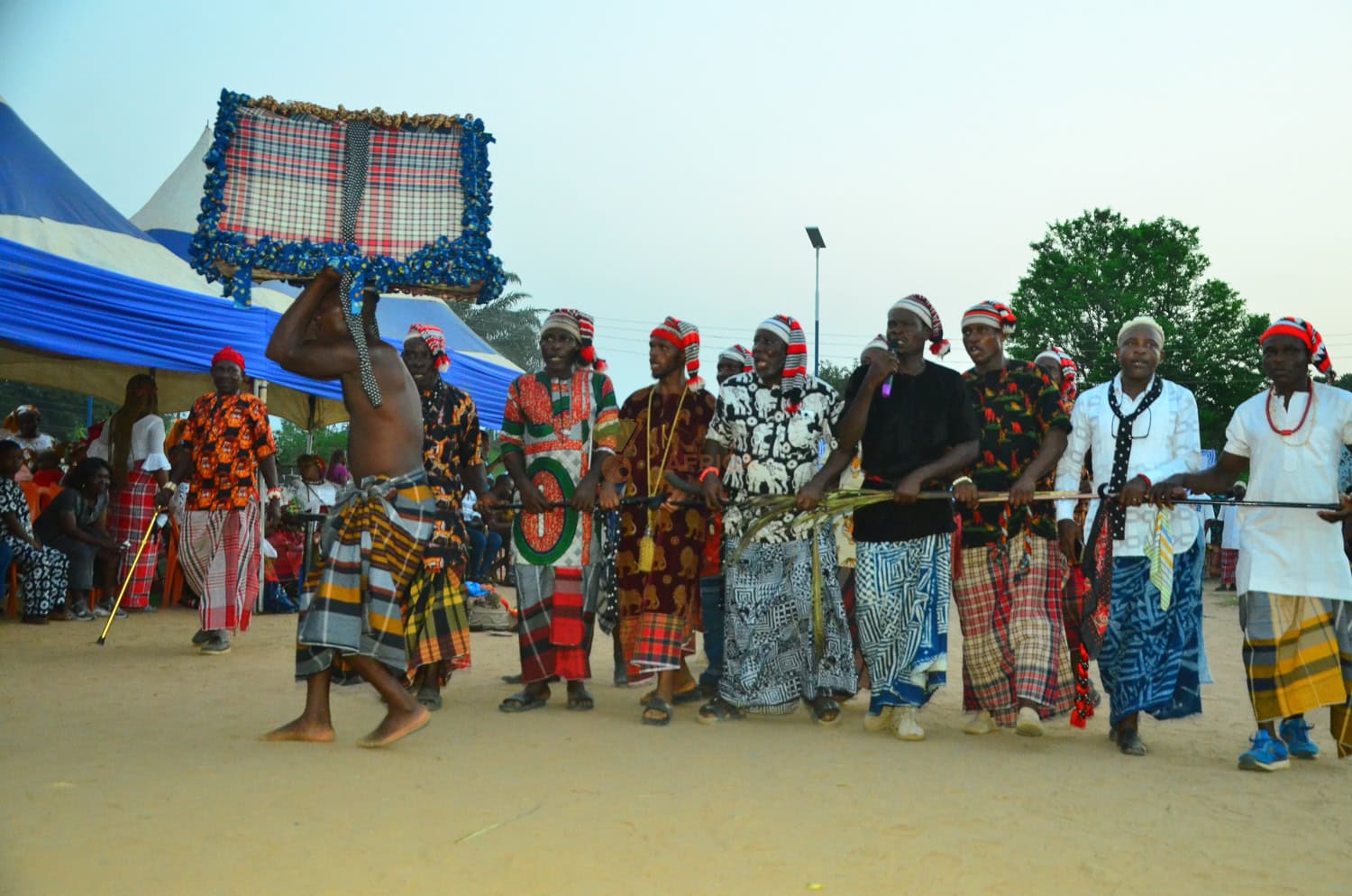
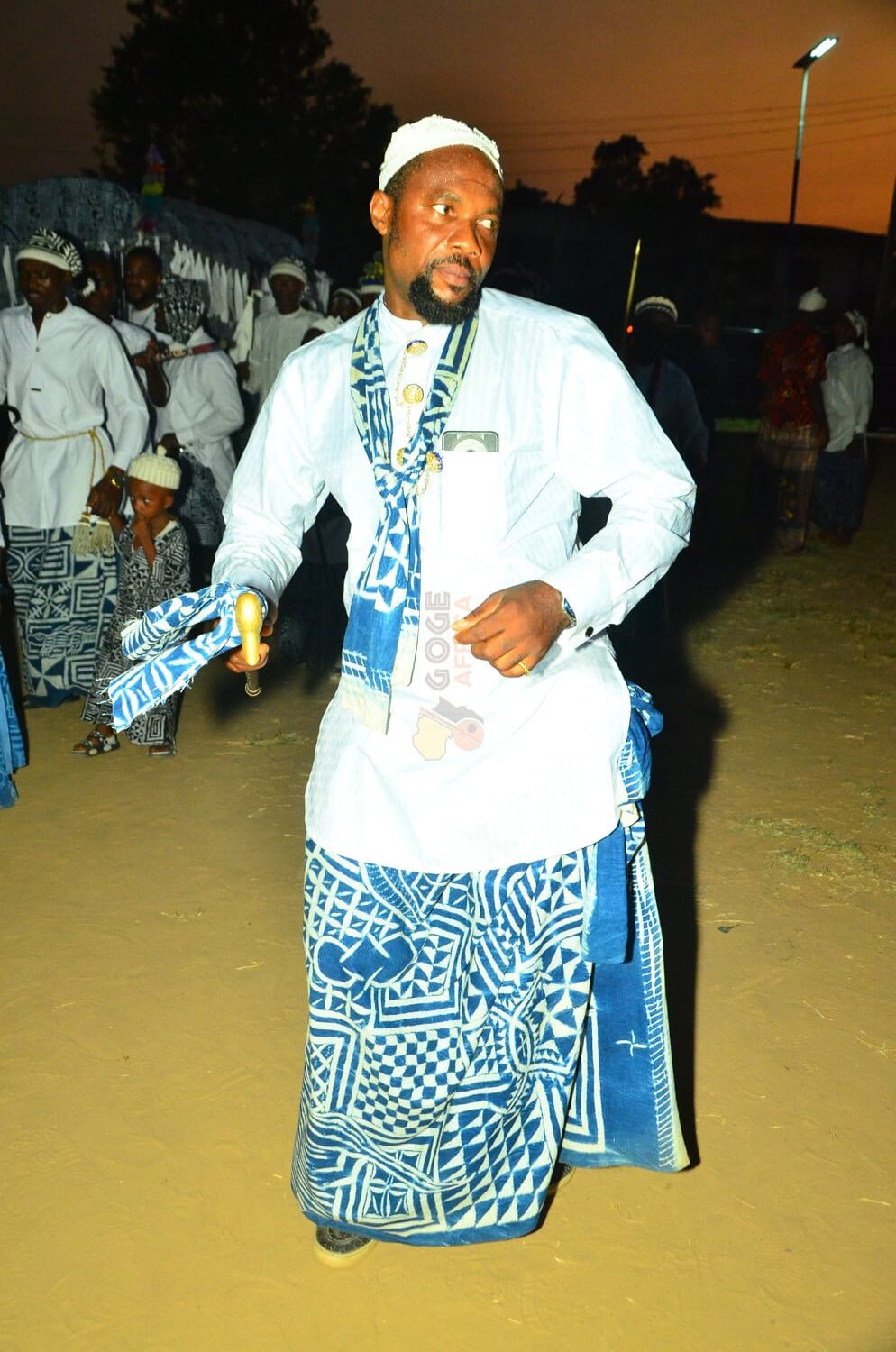
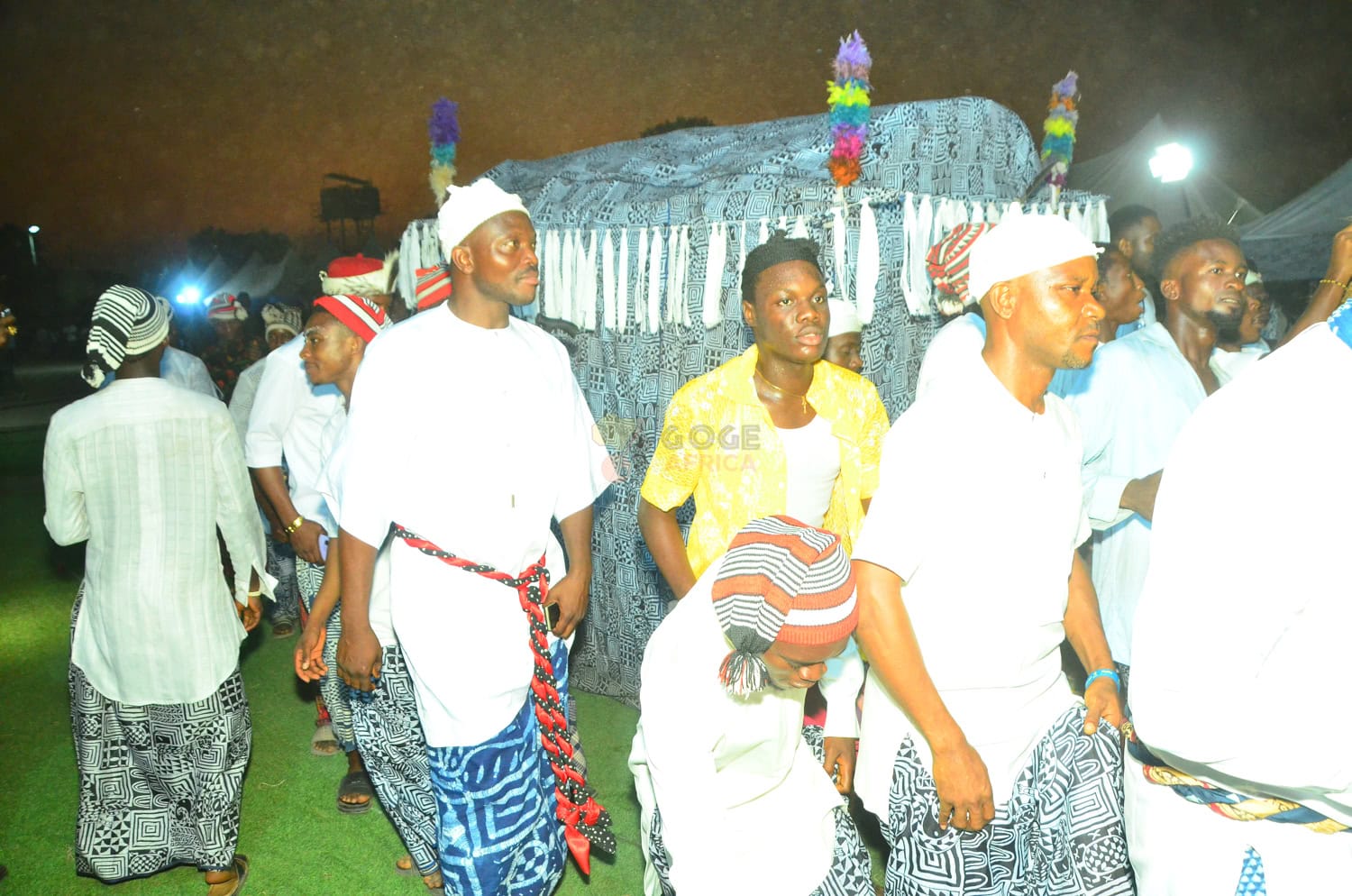
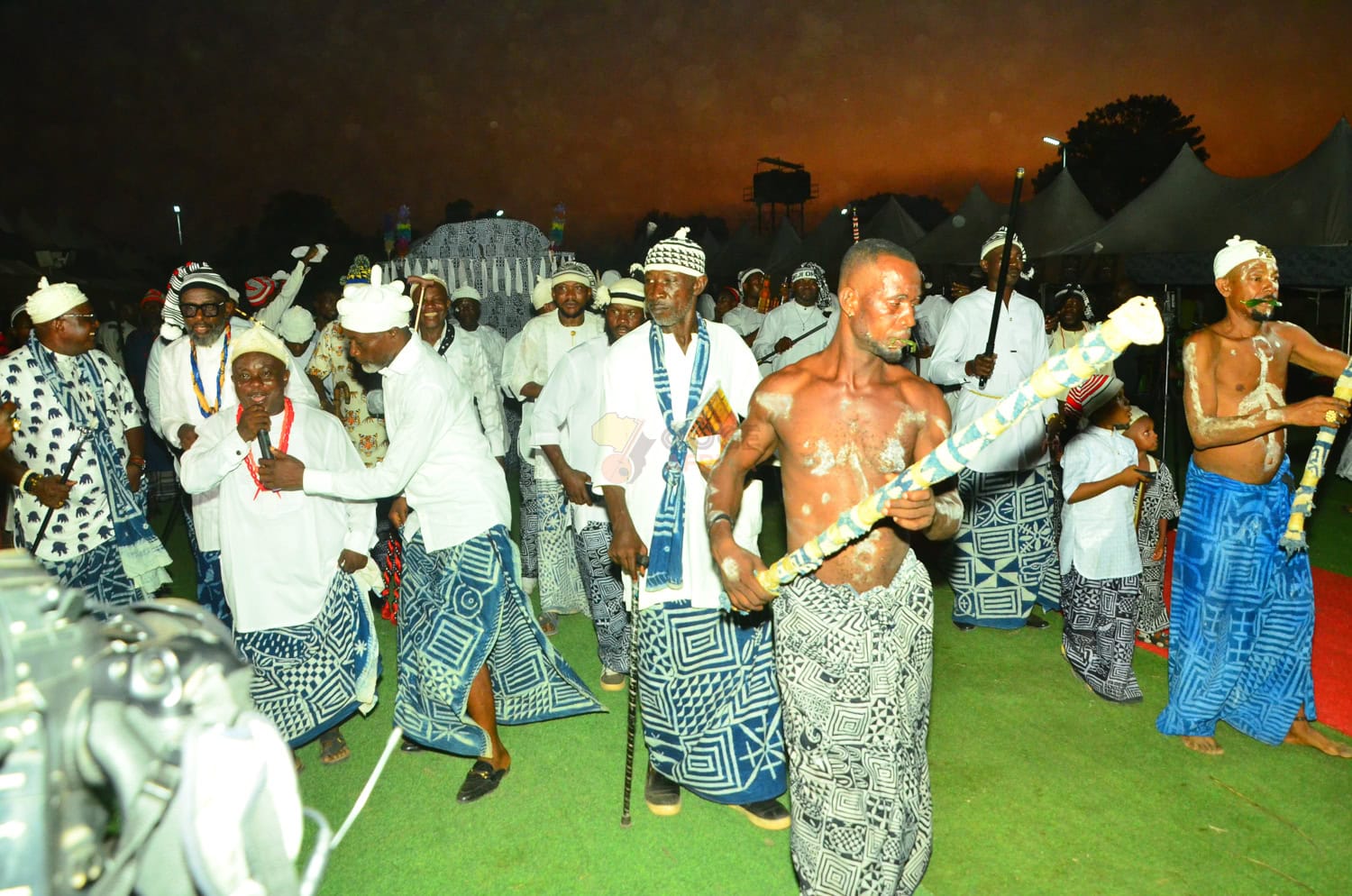
This was not spectacle. It was structure. Proceedings were heralded by the formal entrance of the participating troupes, the recognition of dignitaries, and the arrival of the Eze Aro, accompanied by his council.
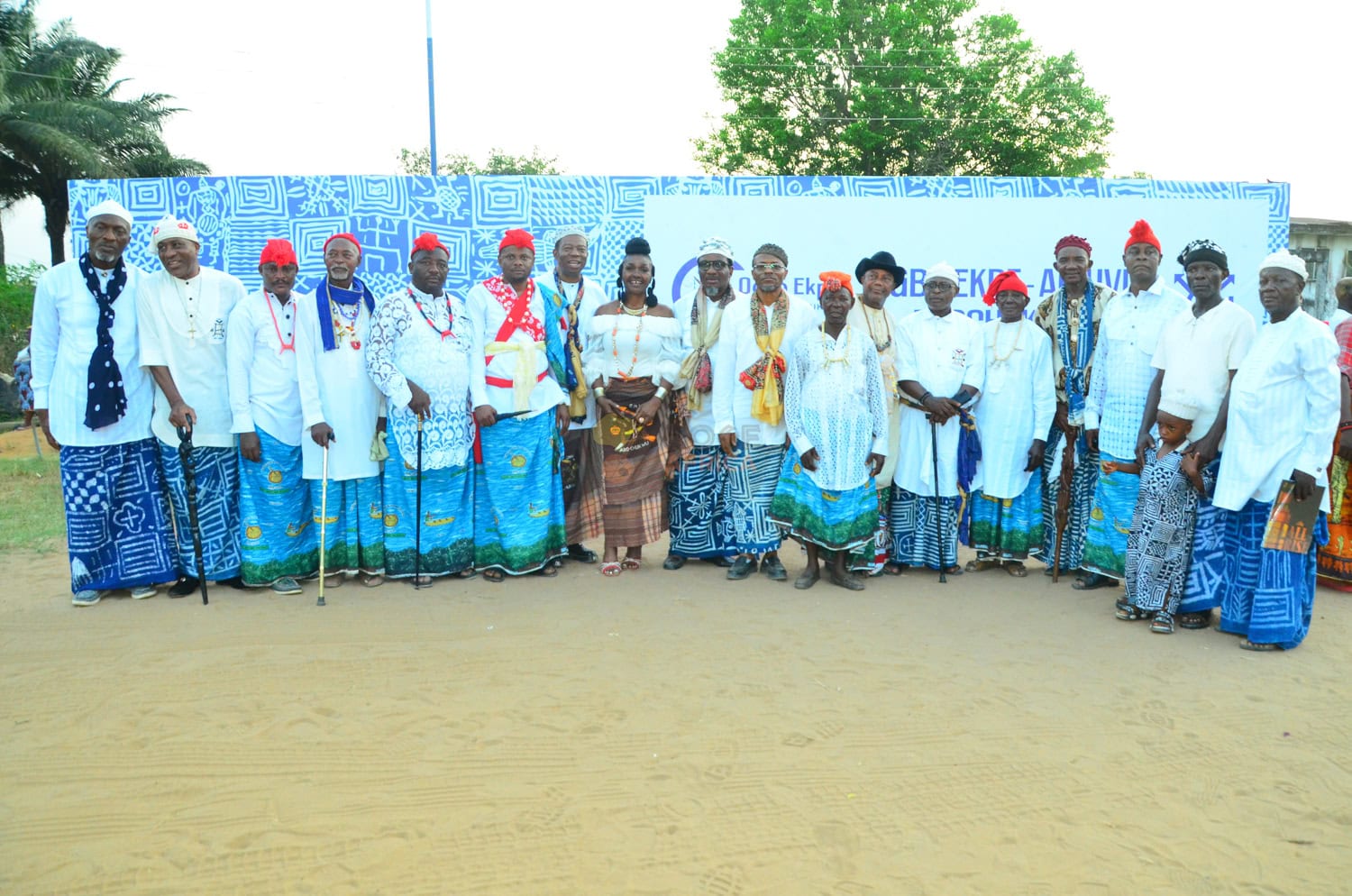
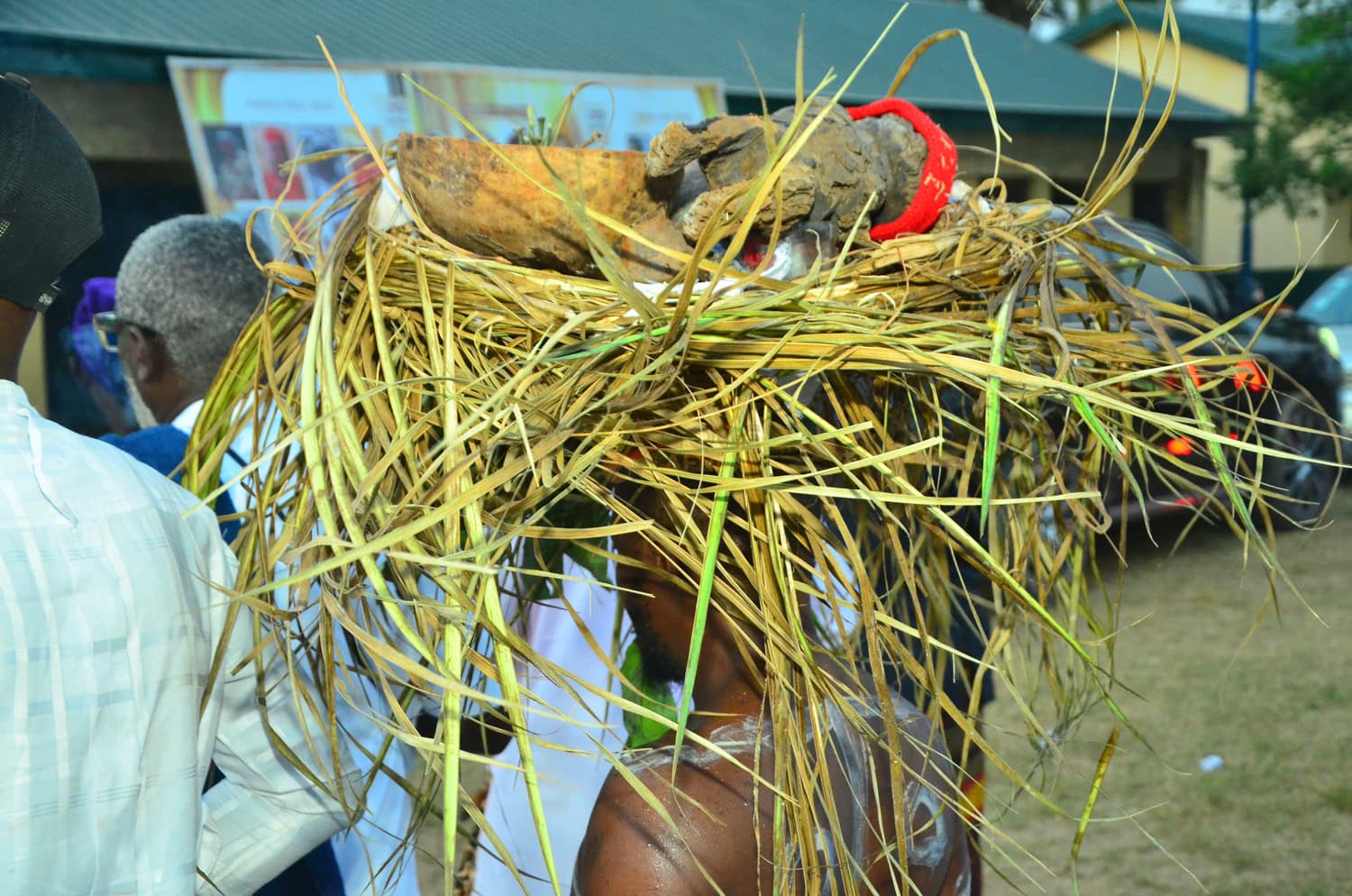
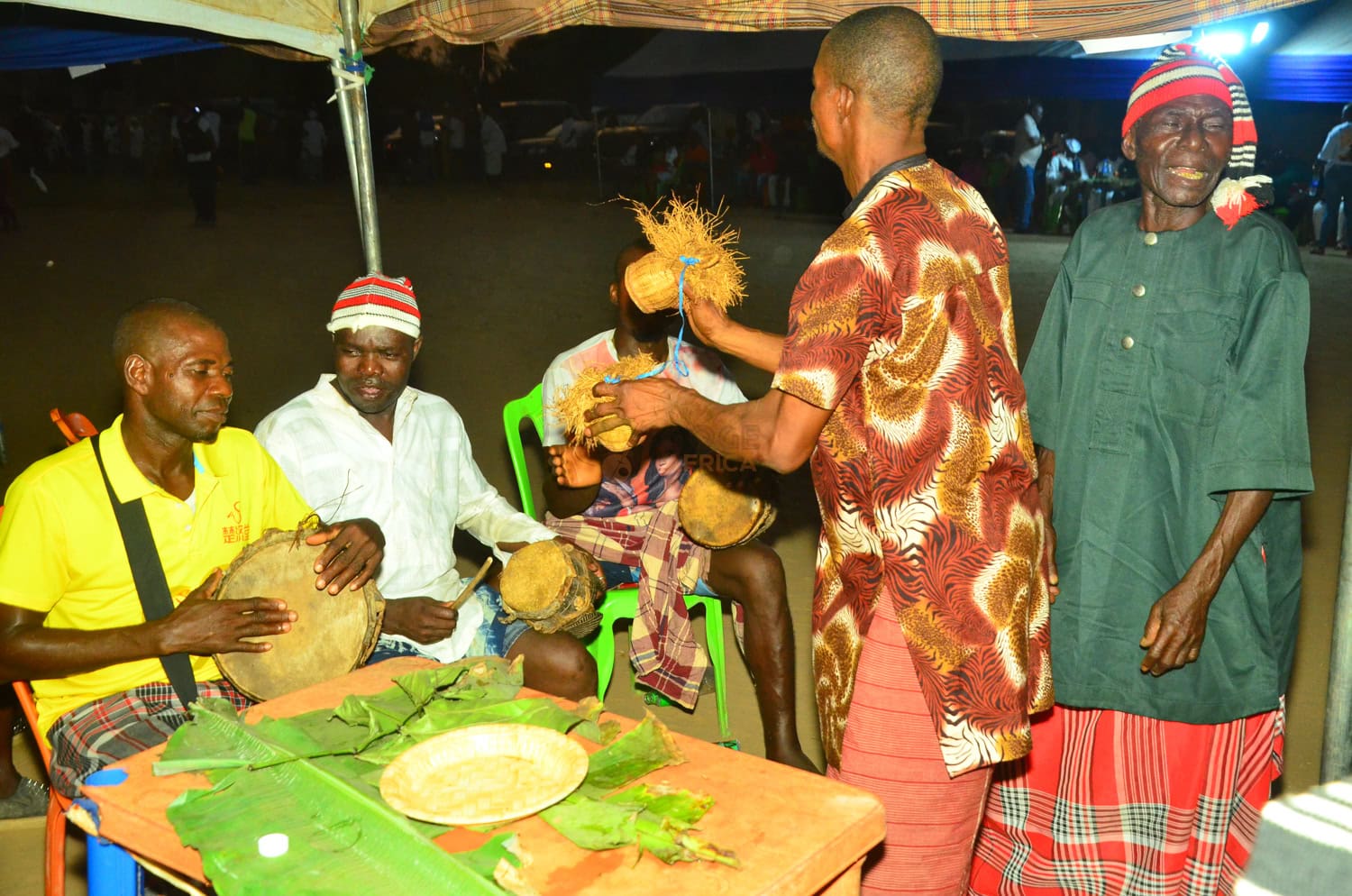
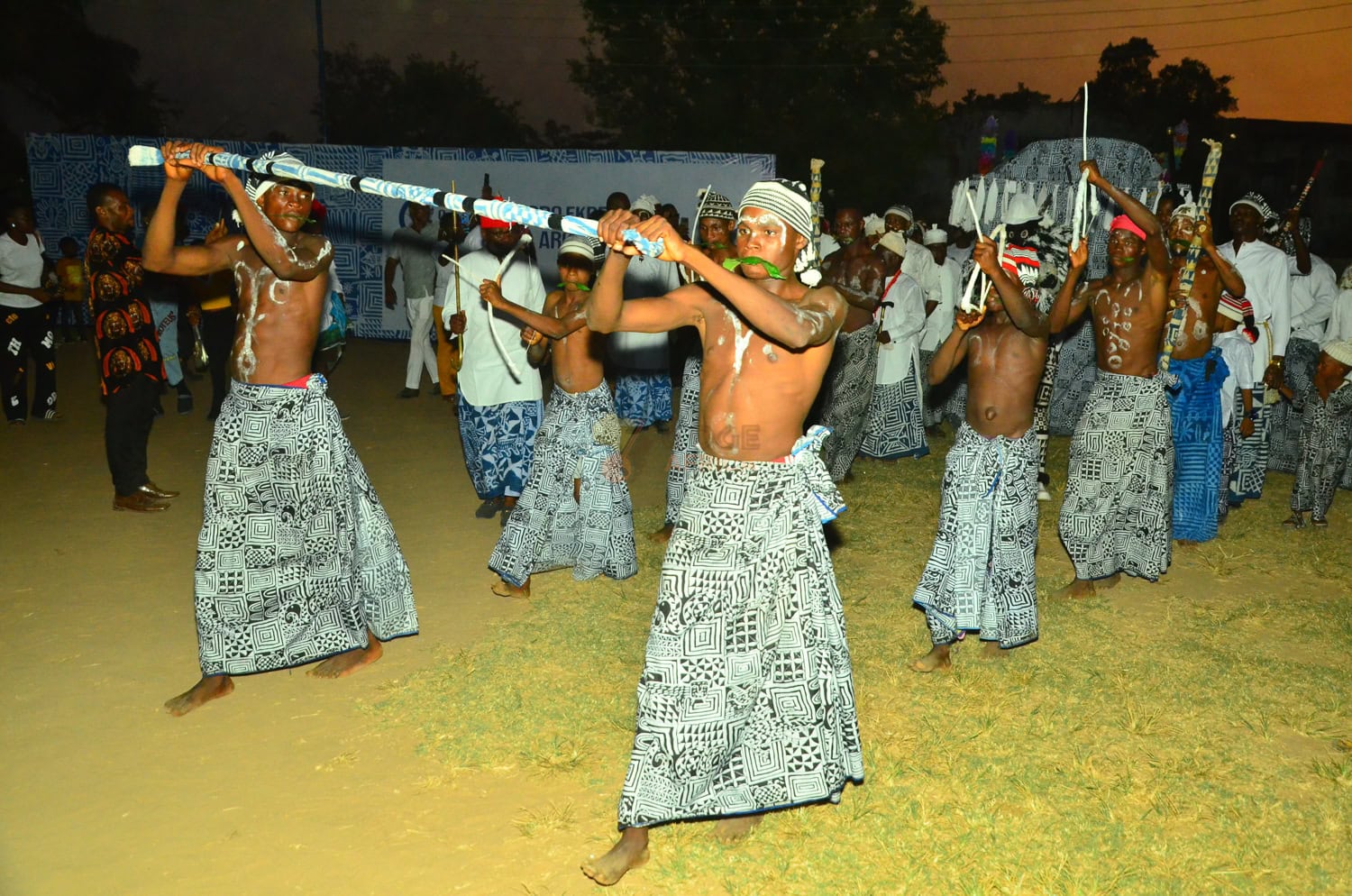
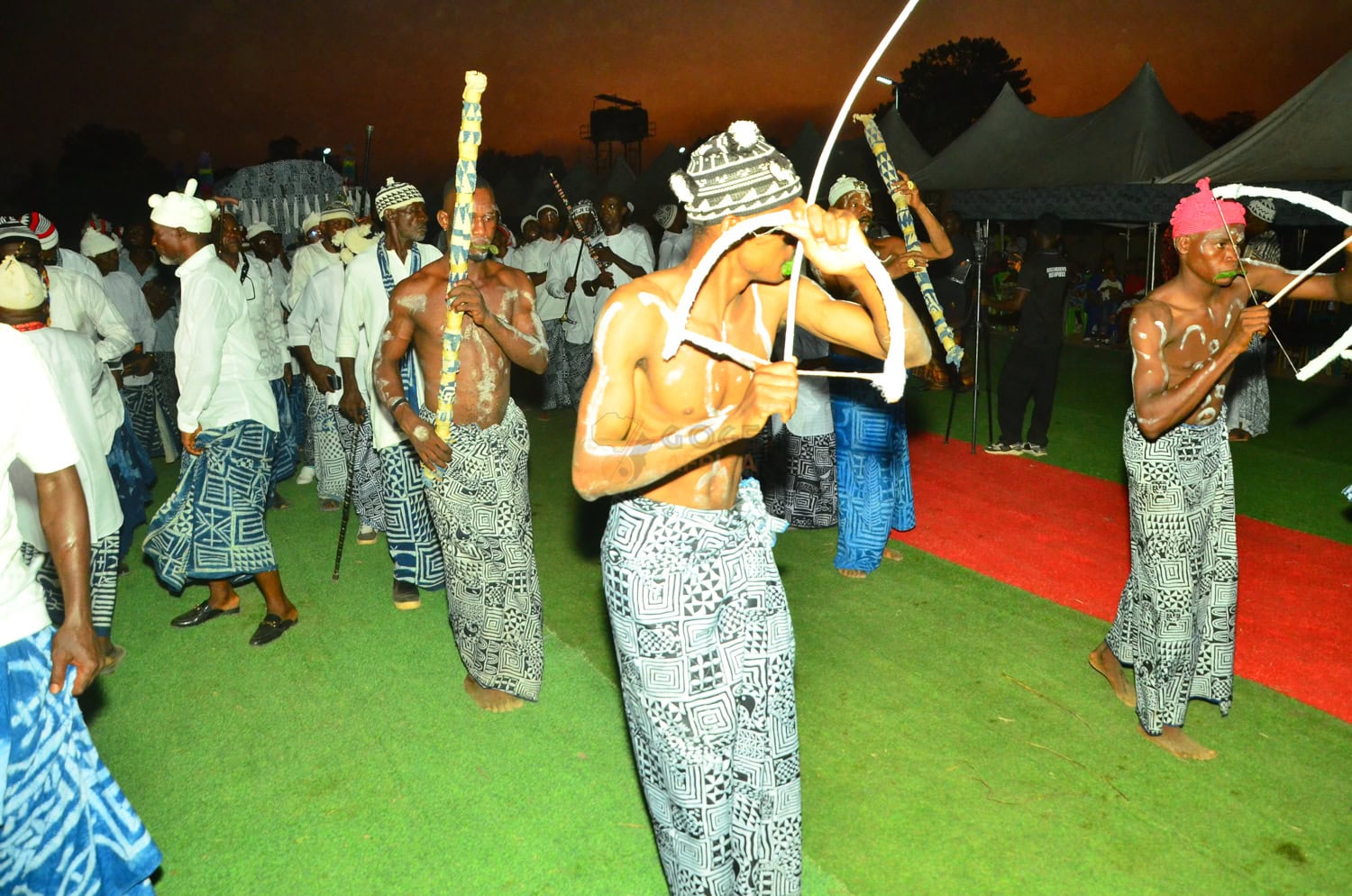
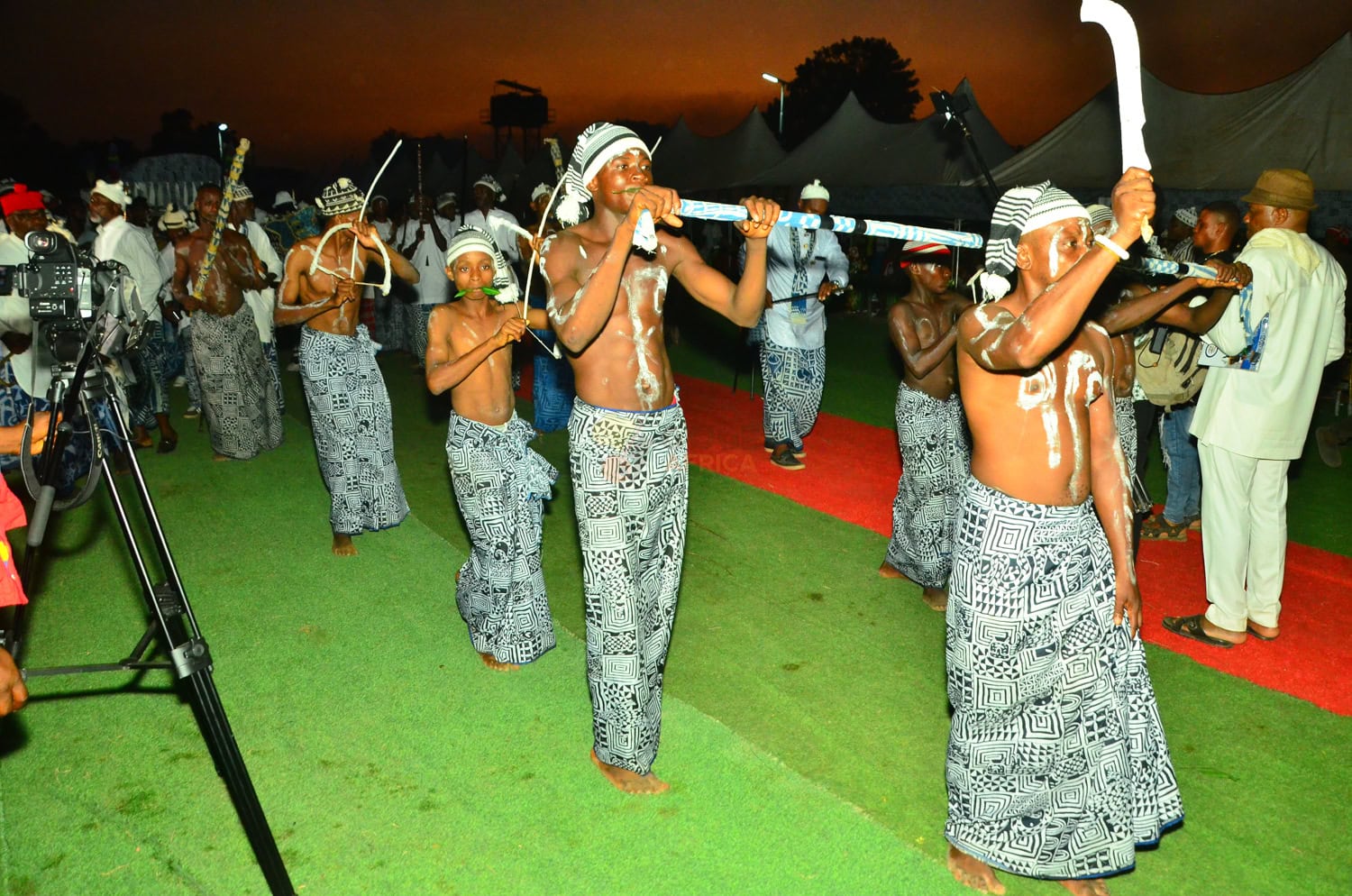
A symbolic highlight of the ceremony was the traditional presentation and breaking of kolanut, performed after its formal presentation to the Eze Aro. Thereafter, the cultural troupes took centre stage. Adorned in vibrant, culturally distinctive attire, Ekpe performances were showcased by groups from Oron, Uzuakoli, Ohafia, Efik Ibeku, Kusuk Qua Clan 1, Matamu Balondo (from Cameroon) and Arochukwu, each reflecting the unique expressions of a shared institution.



Women and Ekpe: A More Complete Story
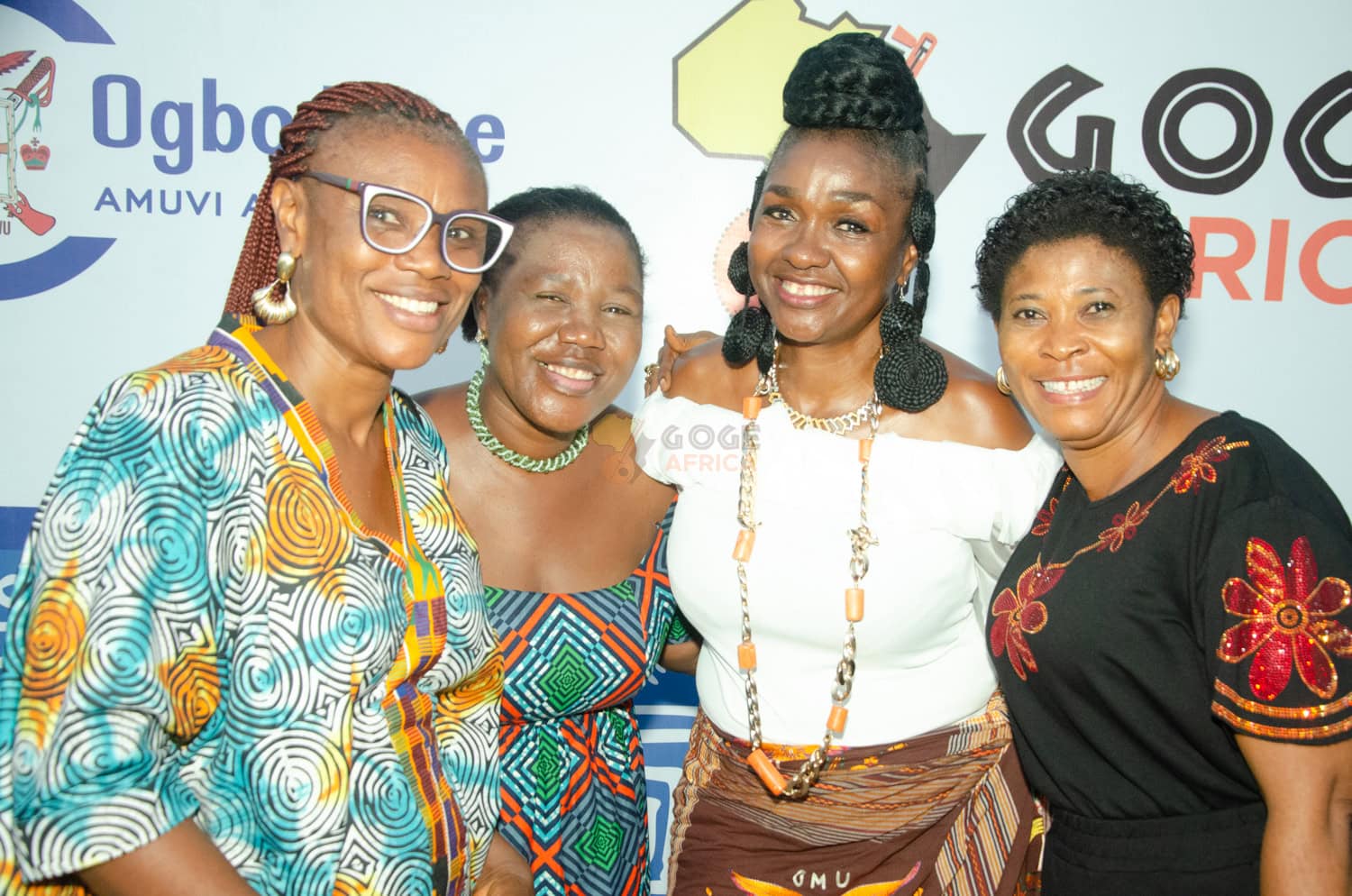
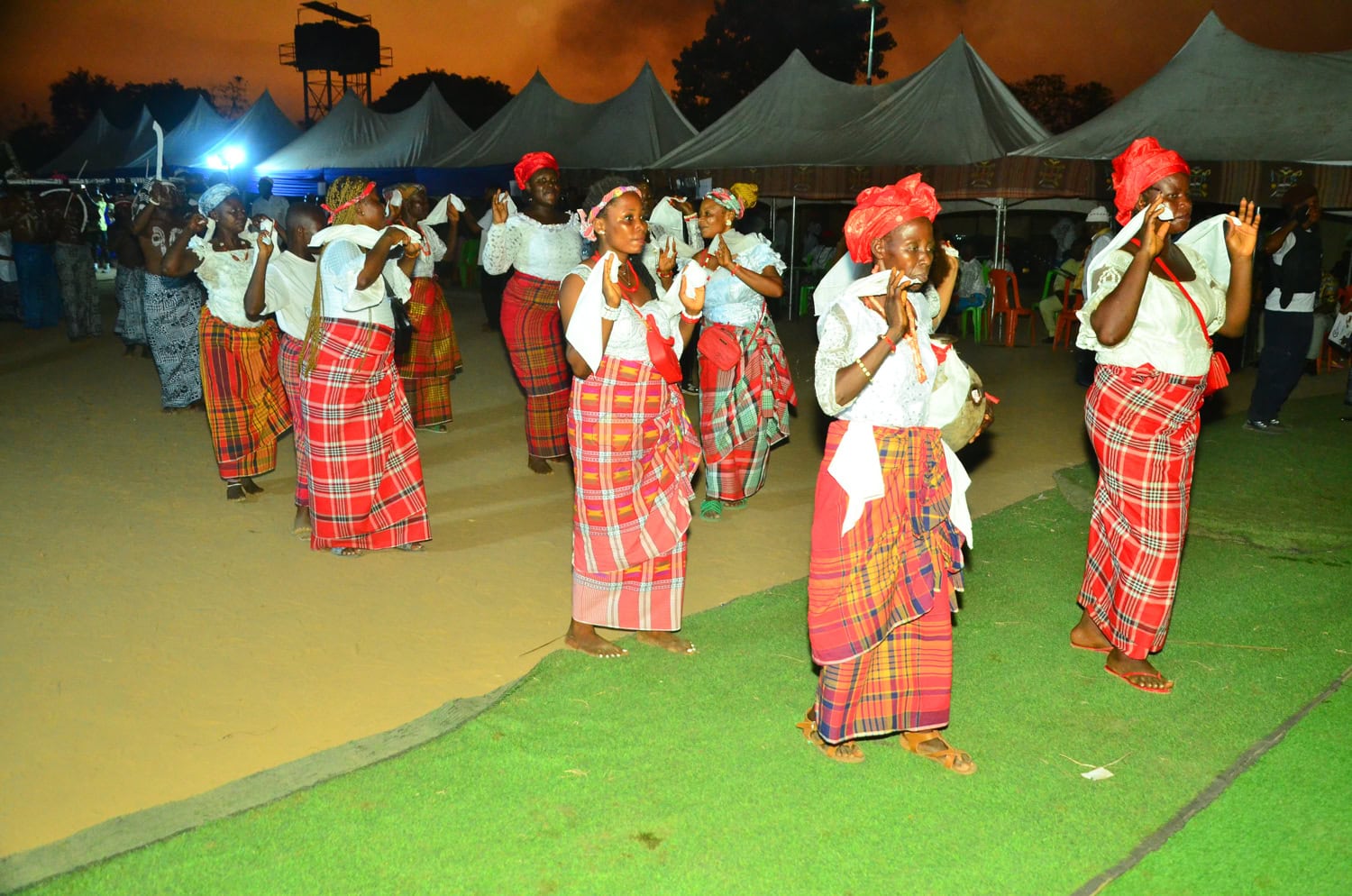
One of the most important insights from Ogbo Ekpe Amuvi was the visible participation of women within the Ekpe institution. Women have defined roles, authority, and moments of visibility. They also had their time in the arena, a fact corroborated through interviews with the Iyamba women, the female contemporary of the Ekpe institution. This challenges simplistic narratives and reinforces Ekpe as a complex and inclusive social system. The highpoint of the event was the entry of the Ekpe Arochukwu, heralded by the Iyamba women, whose colourful attire, swirling handkerchiefs, and graceful yet powerful dance steps captivated the audience. Behind the Iyamba women marched members of the Ekpe institution in Arochukwu, wrapped in the iconic indigo Ukara Ekpe cloth—a potent symbol of identity and authority—advancing into the arena in a solemn, distinctive procession that commanded reverence.
Tourism, Education, and Cultural Sustainability
Events like Ogbo Ekpe Amuvi demonstrate how culture, when properly contextualized, can drive heritage tourism, education, and sustainability.
Arochukwu offers:
* Authentic cultural experiences
* Deep historical narratives
* Natural attractions
* A peaceful environment ideal for cultural exploration and diaspora reconnection.
For cultural tourists, researchers, students, and members of the African diaspora seeking meaningful engagement with history and roots tourism, Arochukwu is not just a destination—it is a classroom, an archive, and a living museum.
We enjoyed our stay at the Winpher By AA91 in Amuvi, a beautiful boutique hotel with tasty cuisine for every palate.
Telling Our Own Stories
If you do not tell your story, you risk being misrepresented by those who choose to tell it for you. Ogbo Ekpe Amuvi is not a reenactment of the past. It is a conversation with the present—one that adds value to future generations while enriching world cultures with truth and context.
OGBO EKPE AMUVI. Where Sacred Authority Still Walks, and History Still Speaks.
Watch out for Goge Africa’s documentary on Ogbo Ekpe Amuvi premiering on the largest TV network in Africa, the NTA, DSTV Channel 251 and 10 other channels.
Follow @gogeafrica and subscribe to Goge Africa on YouTube for in-depth documentaries, living heritage, and powerful narratives that educate, preserve, and redefine Africa’s story.



GIPHY App Key not set. Please check settings